
Picture a property buyer in Singapore signing a contract for a Sydney apartment without visiting the site in person. Instead, the buyer has walked through every room using immersive technology. This is VR architecture in action, and it is reshaping how Australian projects are designed, approved, and sold.
Today, VR architecture is becoming a core tool across Australian development and design workflows. At Ecompapi Studio, these experiences are built for real projects, helping developers, architects, and marketing teams move beyond static visuals.
This guide explains what VR architecture is, how does virtual reality work in architecture, why developers are adopting it, and how has VR changed property marketing in Australia.
What Is VR Architecture?
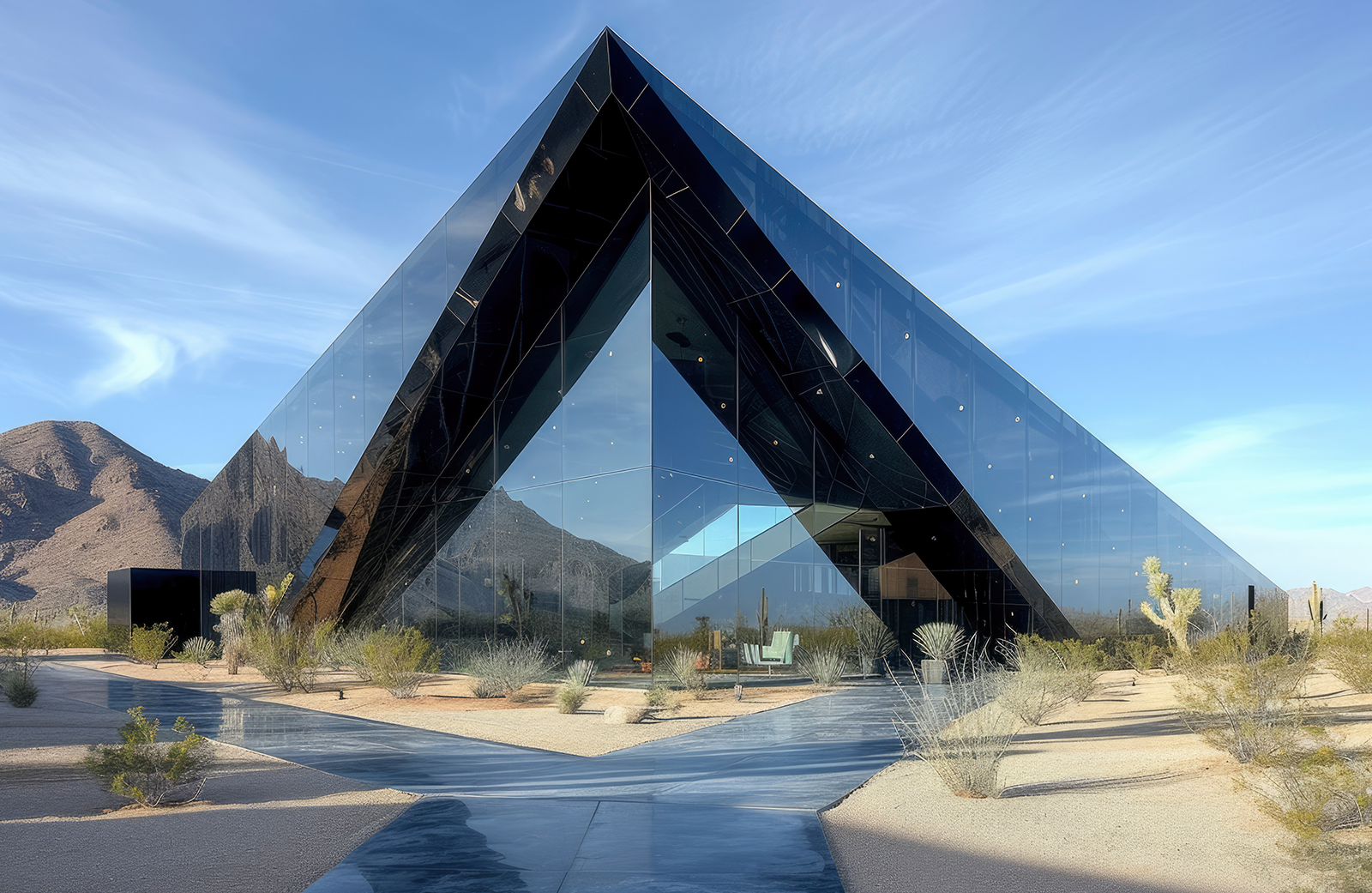
VR architecture uses virtual reality technology to create immersive, interactive three-dimensional environments from architectural designs.
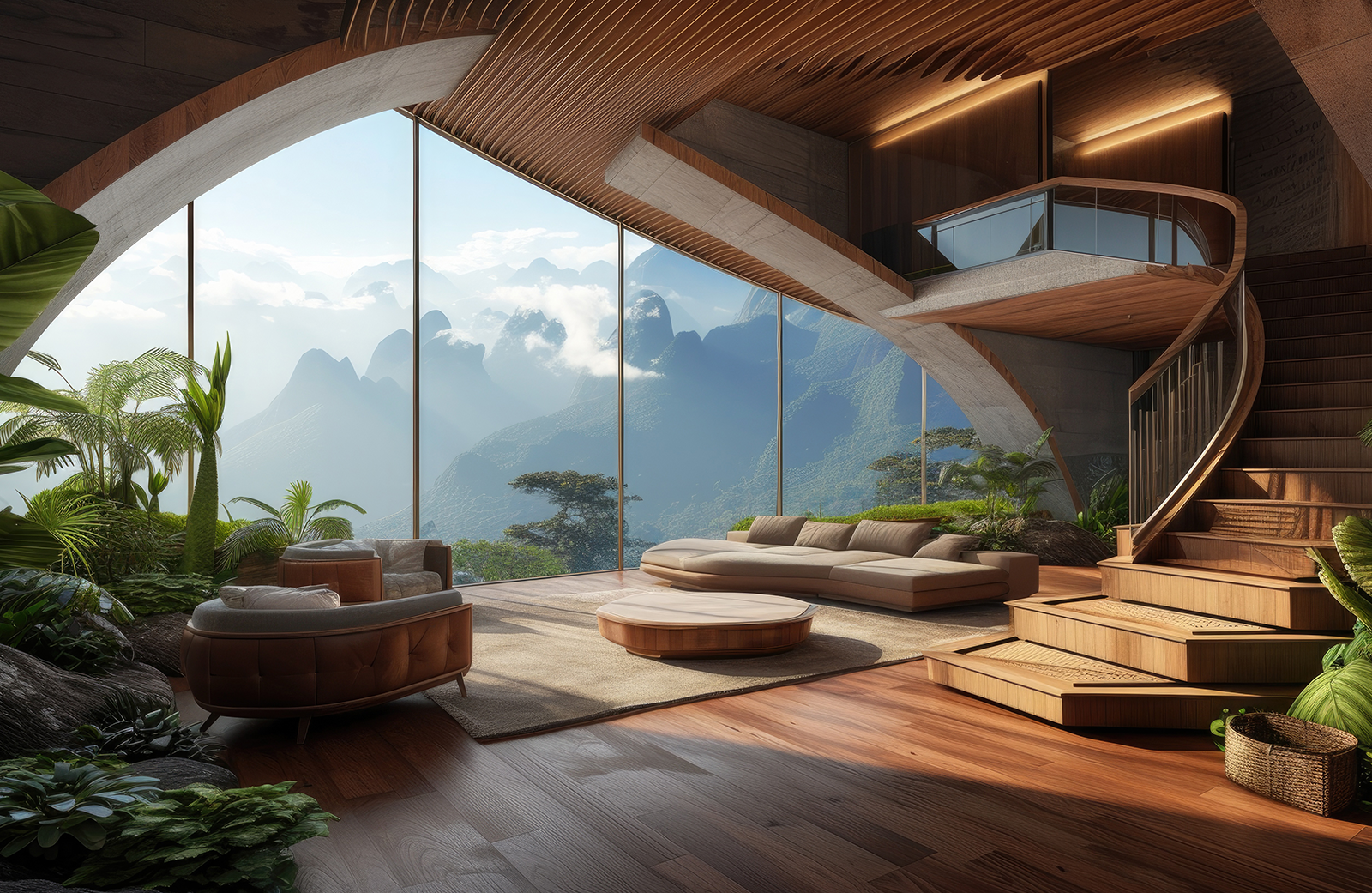
It allows users to move through a proposed space at human scale before construction begins, making the design easier to understand than drawings, brochures, or static renders.
What Makes VR Unique in Comparison to Other Visualisation Methods?
Unlike static renders, VR allows real-time interaction. Unlike 360-degree tours, it does not rely on photography of existing spaces. Instead, VR creates a new digital environment from design information, giving users a clearer sense of space, scale, and movement.
How Does Virtual Reality Work in Architecture?
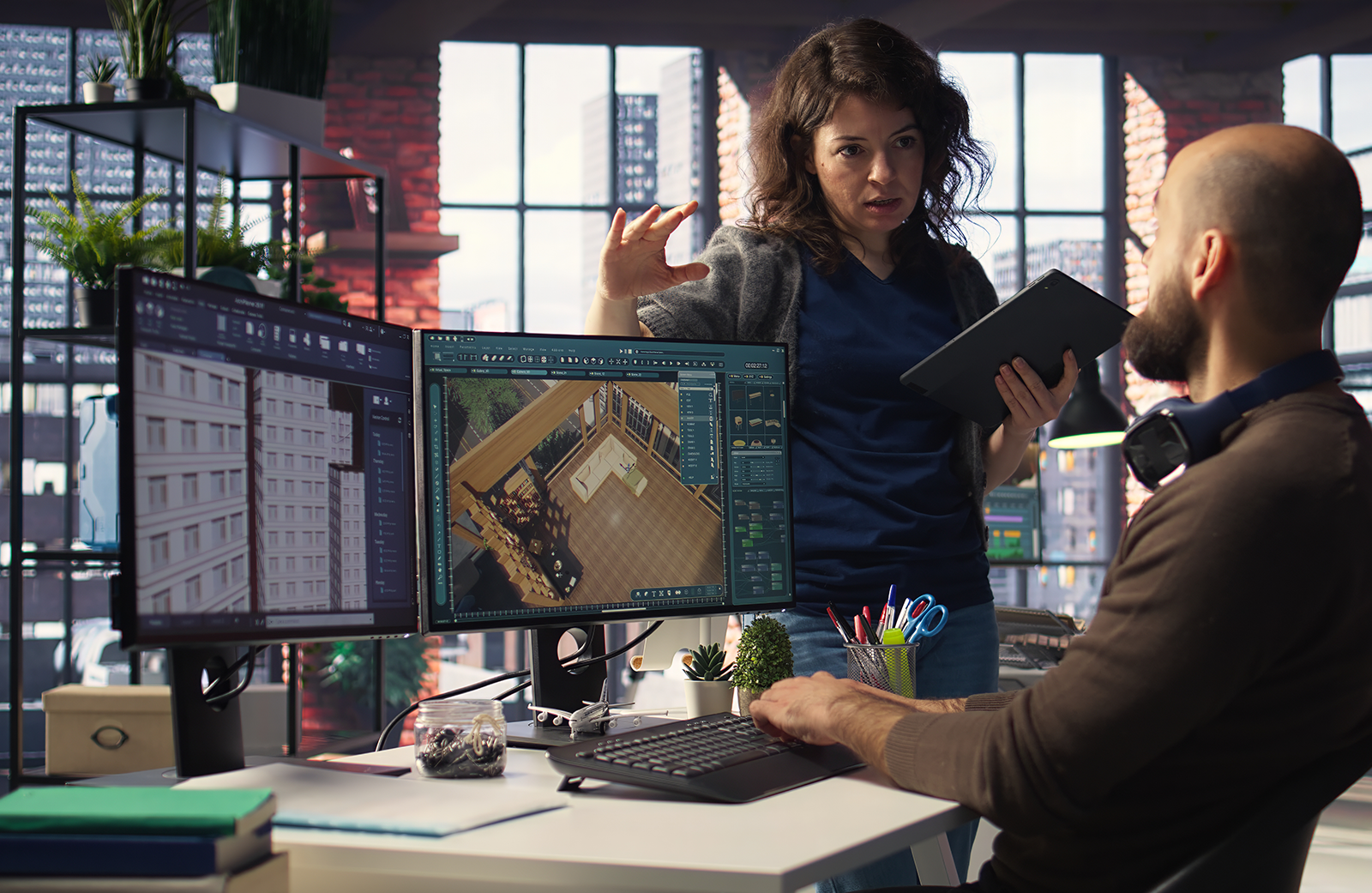
Understanding how does virtual reality work in architecture starts with the production pipeline used by studios.
- 3D Modelling : Design drawings and BIM files are converted into detailed 3D environments with materials, lighting, and furniture.
- Real-Time Engine: The model is processed in software such as Unreal Engine or Unity, allowing interaction instead of pre-rendered views.
- Optimisation: The experience is refined to ensure smooth performance across devices.
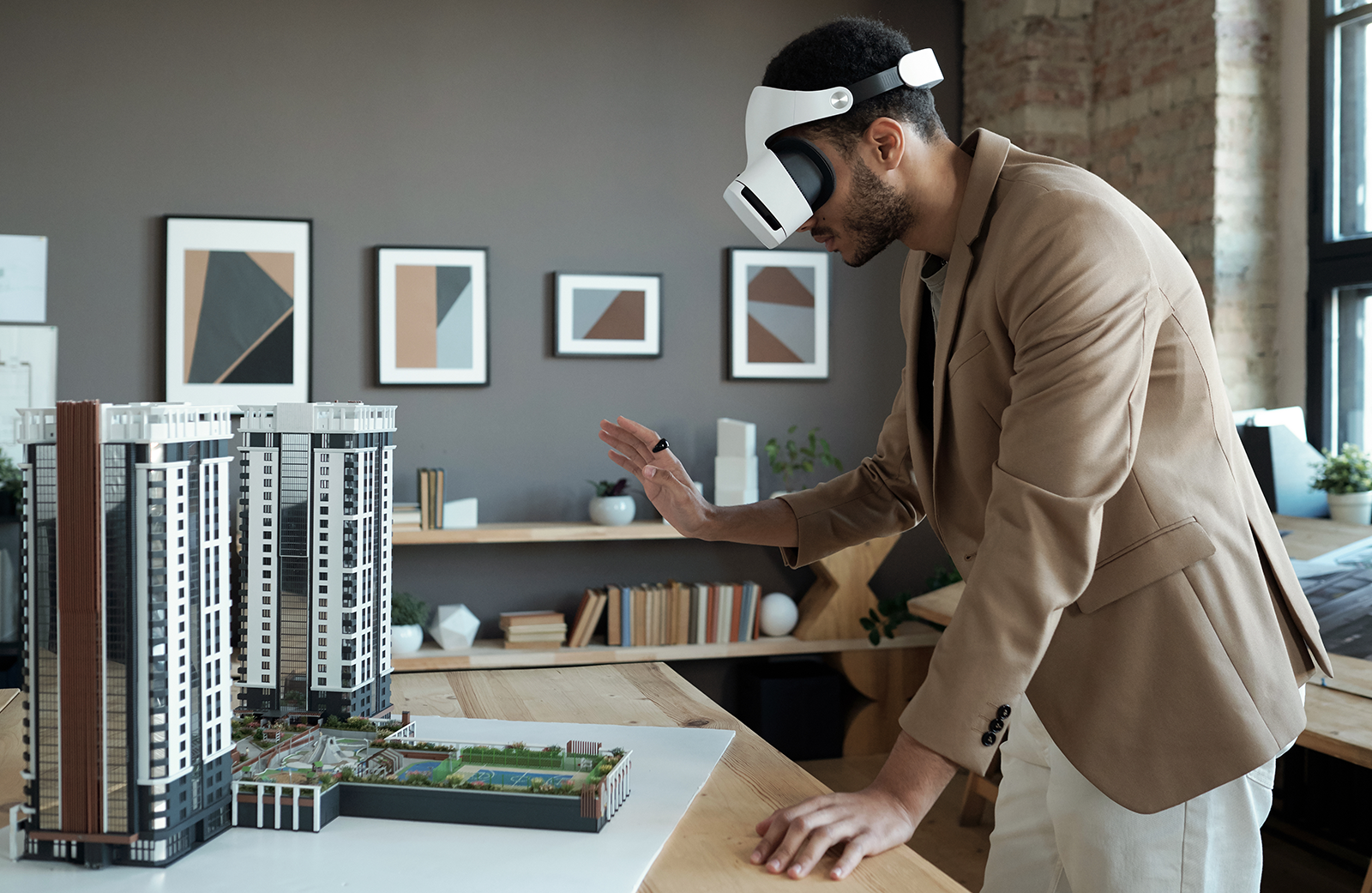
- Delivery: The final output is shared via headset, browser, or display suite setup.
In Australia, most architectural firms already work with BIM and CAD data, which means VR integration is increasingly seamless.
Why Are Developers Using VR to Sell Properties in Australia?
The rise of VR architecture is closely tied to how developments are sold across Australia.
- Off-the-Plan Sales Confidence
Developers rely heavily on presales. VR gives buyers spatial understanding that static renders cannot deliver.
- International Buyers
A significant portion of buyers are based overseas. VR removes location barriers and allows remote walkthroughs.
- Reduced Marketing Risk
Better visual clarity leads to more confident buyers and stronger commitment during the sales process.
- Cost Efficiency
Physical display suites are expensive. VR offers a scalable alternative that can be updated easily.
Together, these factors explain why are developers using VR to sell properties Australia, especially in competitive presale markets where buyers need more confidence before committing.
How Has VR Changed Property Marketing in Australia?
The shift to immersive technology has transformed how projects are marketed.
Traditionally, marketing relied on brochures, renders, and display suites. Today, VR architecture allows buyers to explore projects interactively.
This change has led to:
- Earlier sales launches
- Digital-first campaigns
- Better buyer engagement insights
- Reduced dependency on physical sales infrastructure
As a result, how has VR changed property marketing in Australia becomes clear. Marketing is no longer limited to describing a project. It now allows buyers to explore and understand spaces before they are built.
VR Architecture in 2026
The technology landscape continues to evolve rapidly.
- WebXR platforms allow browser-based VR without specialised hardware.
- Apple Vision Pro has introduced higher immersion for premium developments.
- AI-driven staging enables customisable interiors within VR environments.
These developments position VR architecture as a mainstream tool rather than a future concept.
Who Uses VR Architecture?
Different stakeholders use VR in different ways.
- Developers use VR for presales and investor presentations
- Architects use VR for design validation and client approvals
- Marketing teams use VR to differentiate campaigns
- Buyers use VR to understand space and layout before purchase
This flexibility makes VR valuable across the entire project lifecycle.
Is Your Project Ready for VR?
If the following points apply, VR is likely a strong fit for your project:
- You are launching an off-the-plan development
- You already have 3D drawings or BIM models
- Your buyers are spread across different locations
- You want to improve buyer confidence before construction
Projects in competitive Australian markets benefit the most.
Frequently asked questions
What is VR architecture?
VR architecture is the creation of immersive digital environments that allow users to explore architectural designs before construction. It gives buyers, developers, and architects a realistic sense of layout, scale, and spatial flow instead of relying only on static visuals.
How does virtual reality work in architecture?
How does virtual reality work in architecture is simple in practice: design files are converted into 3D environments, processed through real-time engines, and delivered through headsets, browsers, or display suite screens for interactive exploration.
Why are developers using VR to sell properties Australia?
Developers use VR because it improves buyer confidence, expands reach to remote and international audiences, and supports presales with realistic property exploration before purchase. This is especially useful for off-the-plan developments.
How has VR changed property marketing in Australia?
VR is implemented by developers because it increases customer trust and helps with reaching remote and international buyers through the possibility of pre-sales where prospective purchasers can explore properties prior to buying them. This approach is particularly relevant to off-the-plan properties.
What impact does VR have on Australian property marketing?
VR technology changed property marketing in Australia by providing an interactive way of exploring properties before any construction takes place.
Conclusion
Virtual reality architecture is no longer something that Australians need to wait for to become a part of their property development landscape. It is now the actual solution for design, client trust, approvals, and sales success.
Ecompapi Studio offers developers the best opportunities to create VR architecture tailored to your project specifics and timeframes to achieve your desired sales results.
Want a VR architecture experience for your project?
Consult with Ecompapi Studio at no cost today to see how virtual reality will enhance your project in Australia.