

Blogs

3D Render, Walkthrough or Animation
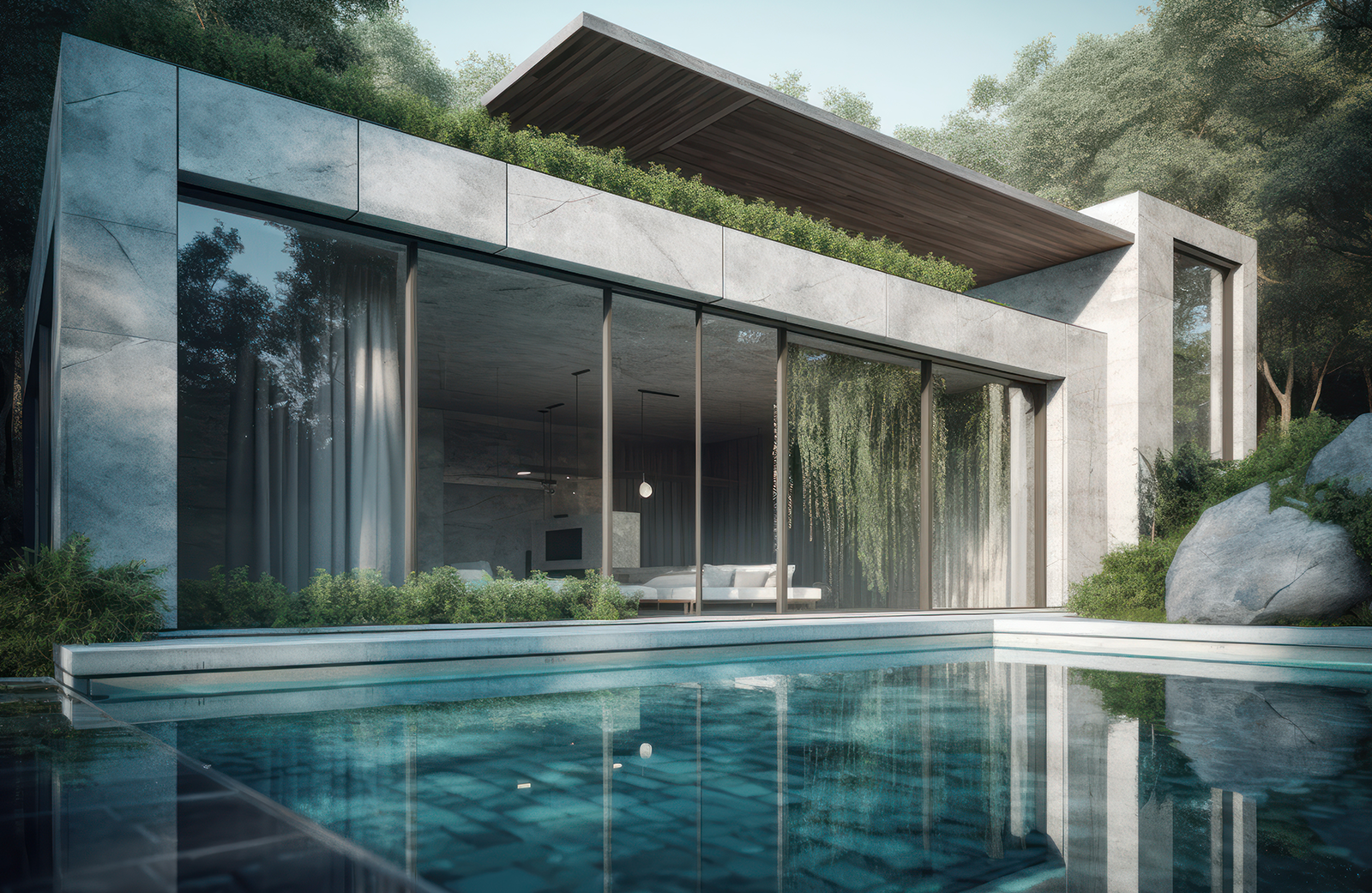
Property marketing visualisation helps you show what does not even exist yet, making it easier for buyers to visualise the project. No matter if you are developing apartments, townhouses, or large-scale precincts, having the right visual materials can greatly help you realise your plans and ideas. The difficult part is choosing the right medium. Do you need 3D rendering for property marketing, real estate walks through, or a full architecture animation? It all depends on your target audience, budget, size of the project, and overall goals of your marketing campaign.
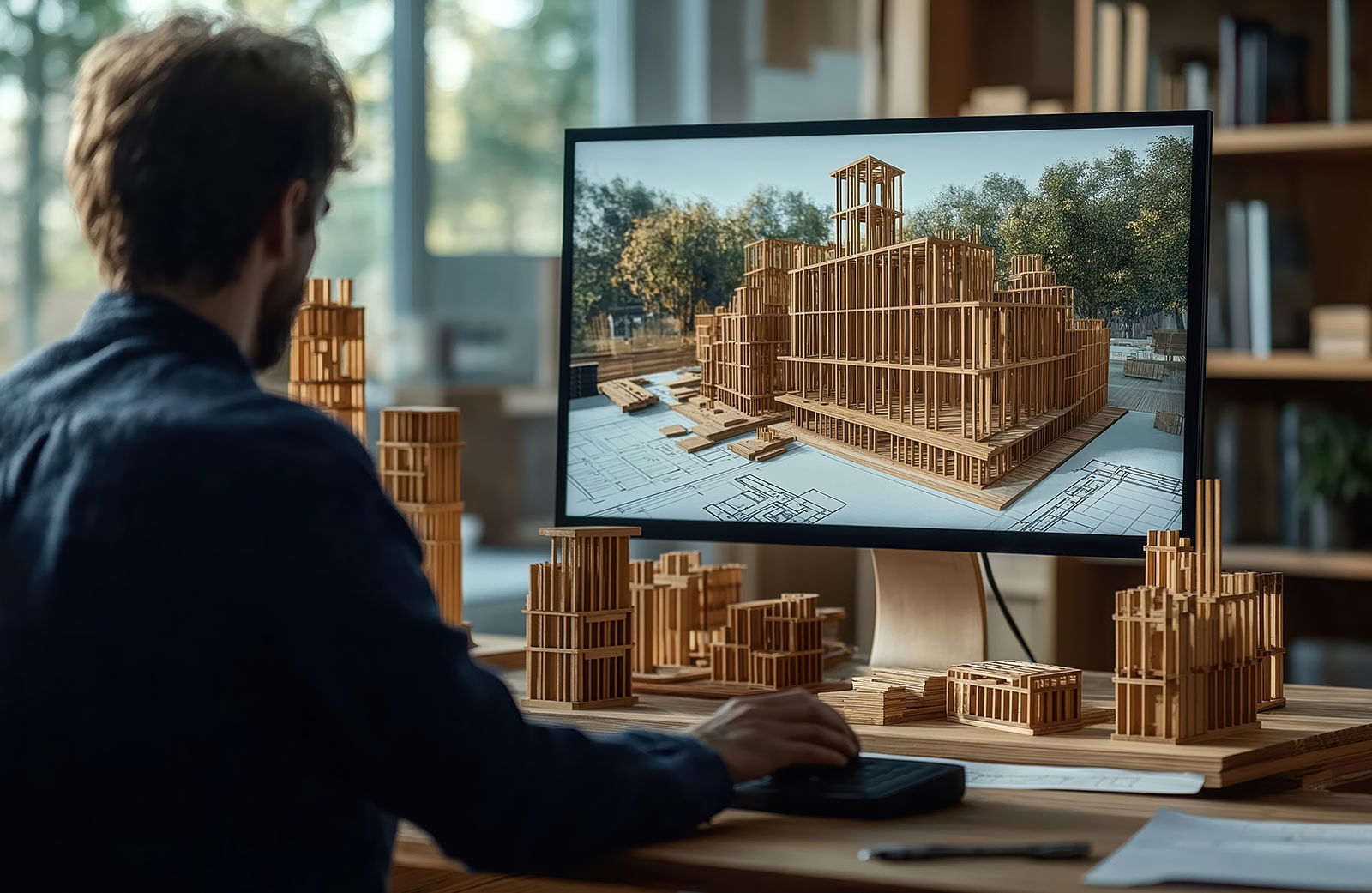
In-House vs Outsourced 3D Visualisation
Visualisation has become a necessary part of contemporary architectural design. It is beneficial for demonstrating ideas to clients, getting planning approval or creating effective marketing materials. There are two possibilities for architecture companies. They can create an in-house visualisation department or collaborate with an external studio specialising in it. There are certain benefits to each approach, and the right option is determined by the number of projects, timeframe, resources, and required level of quality.
How 3D Exterior Rendering Helps
In today’s property market, buyers face an enormous amount of choice. Off the plan developments compete with completed homes, established apartments and similar projects in the same suburb. When attention is limited, a clear and convincing first impression helps your project earn a closer look.
Architectural Visuals
Marketing a property development prior to completion is a special problem because usually the audience must make decisions regarding something they cannot physically see yet. And here is when visual communication comes into play. Visual representation of the property development has become an inevitable part of the process for developers who are going to introduce their project onto the market. Well-developed visuals provide information about the result before the construction starts making it possible to attract potential customers and investors.
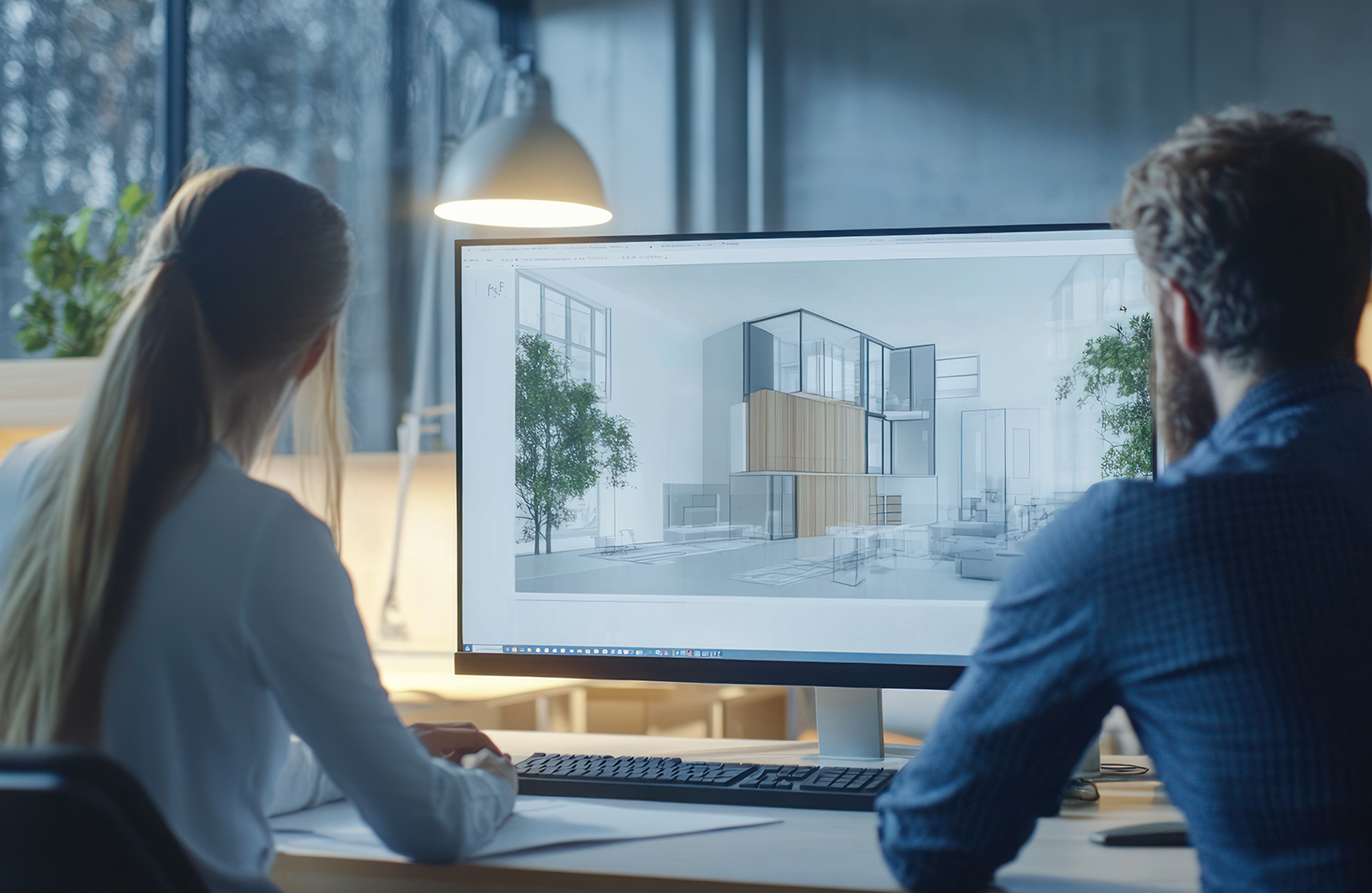
Client Feedback Using 3D Visualisation
Architects spend years learning how to read plans, elevations, and technical drawings. Clients do not. As a result, many architecture projects face the same challenge. The architect sees a sharp vision, while the client is trying to imagine how that vision will look and feel in real life. This gap in understanding can lead to vague feedback, delayed decisions, and multiple rounds of revisions. This is where visualisation becomes valuable.
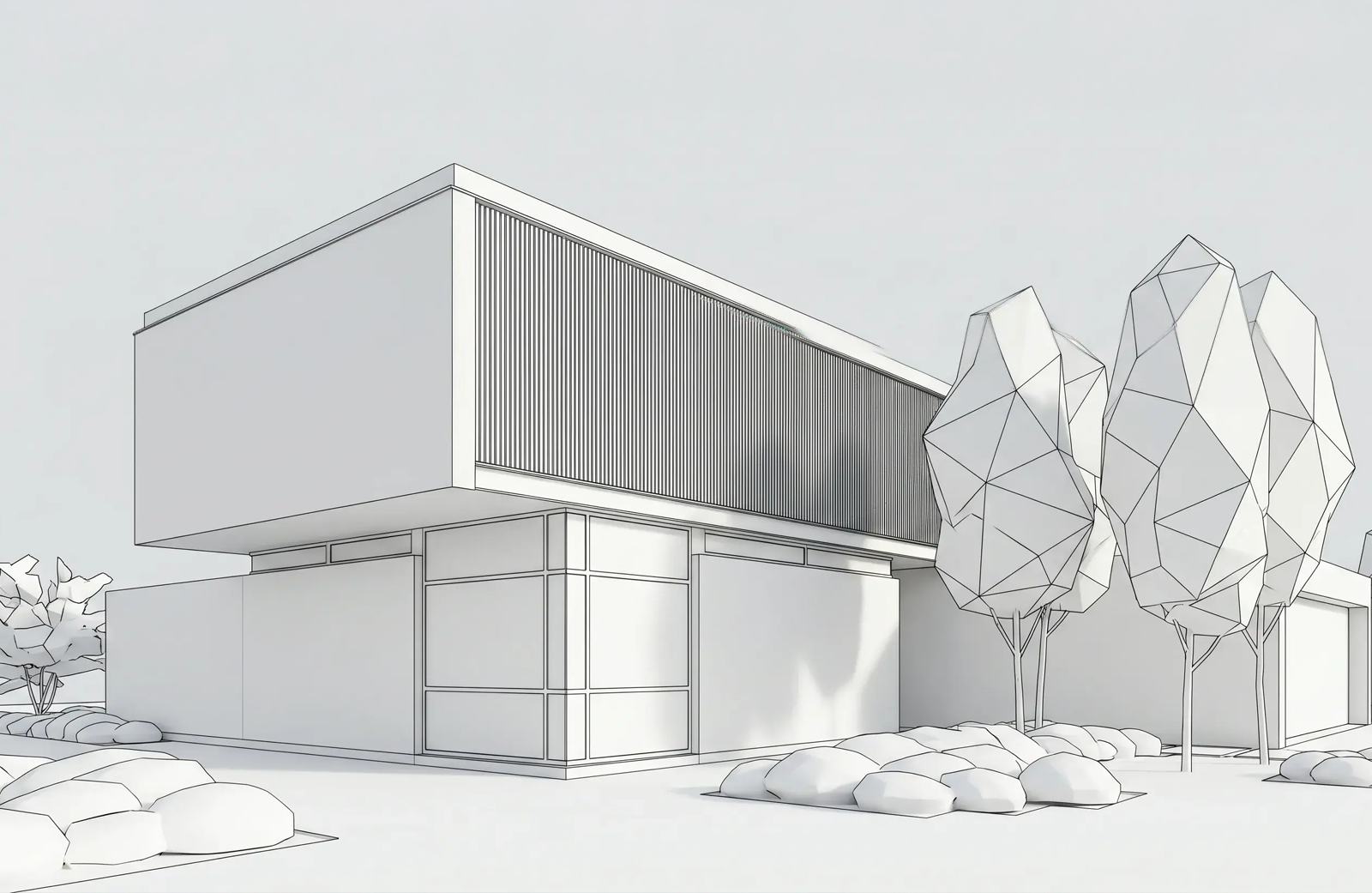
How to Brief a 3D Visualisation
More renders lose direction during briefing than during production. When a first draft shows the wrong view, generic materials or an atmosphere that feels disconnected from the design, the studio may simply have lacked the information needed to interpret your intent. If you are learning how to brief a 3D visualisation studio, focus on one goal: remove avoidable guesswork before modelling starts.
Still Renders vs Animated Walkthroughs
You've got a project to present, a deadline approaching, and a visualisation studio asking whether you want stills or a walkthrough. Getting it wrong can cost you budget, time, or a weaker presentation at exactly the moment it needed to land. Still renders are single high resolution images produced from a 3D model, precise, fast, and ideal for DA submissions, print collateral, and digital marketing. Animated walkthroughs are video sequences that move through or around a 3D environment, more expensive and time intensive, but unmatched for conveying scale and spatial flow.
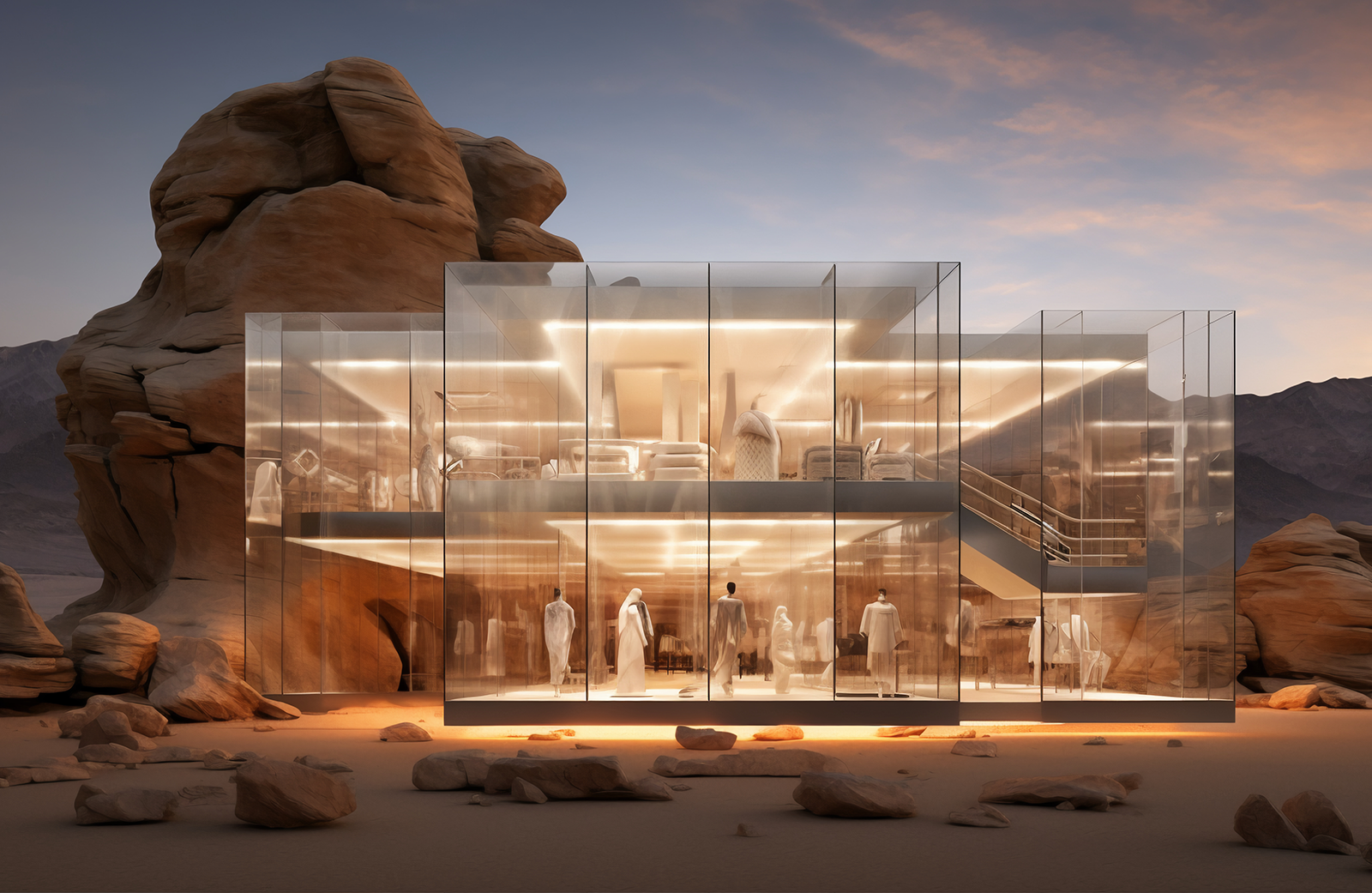
AI in Architectural Visualisation
AI generated images are everywhere in 2026. They appear in project pitches, LinkedIn feeds and design competitions. The question is no longer whether AI is changing architectural visualisation. It is where the technology genuinely helps and where specialist judgement still matters. Tools ranging from Midjourney to AI assisted software such as Veras are now part of many Australian architects' workflows. They are useful for rapid concepts, design exploration and early client conversations.