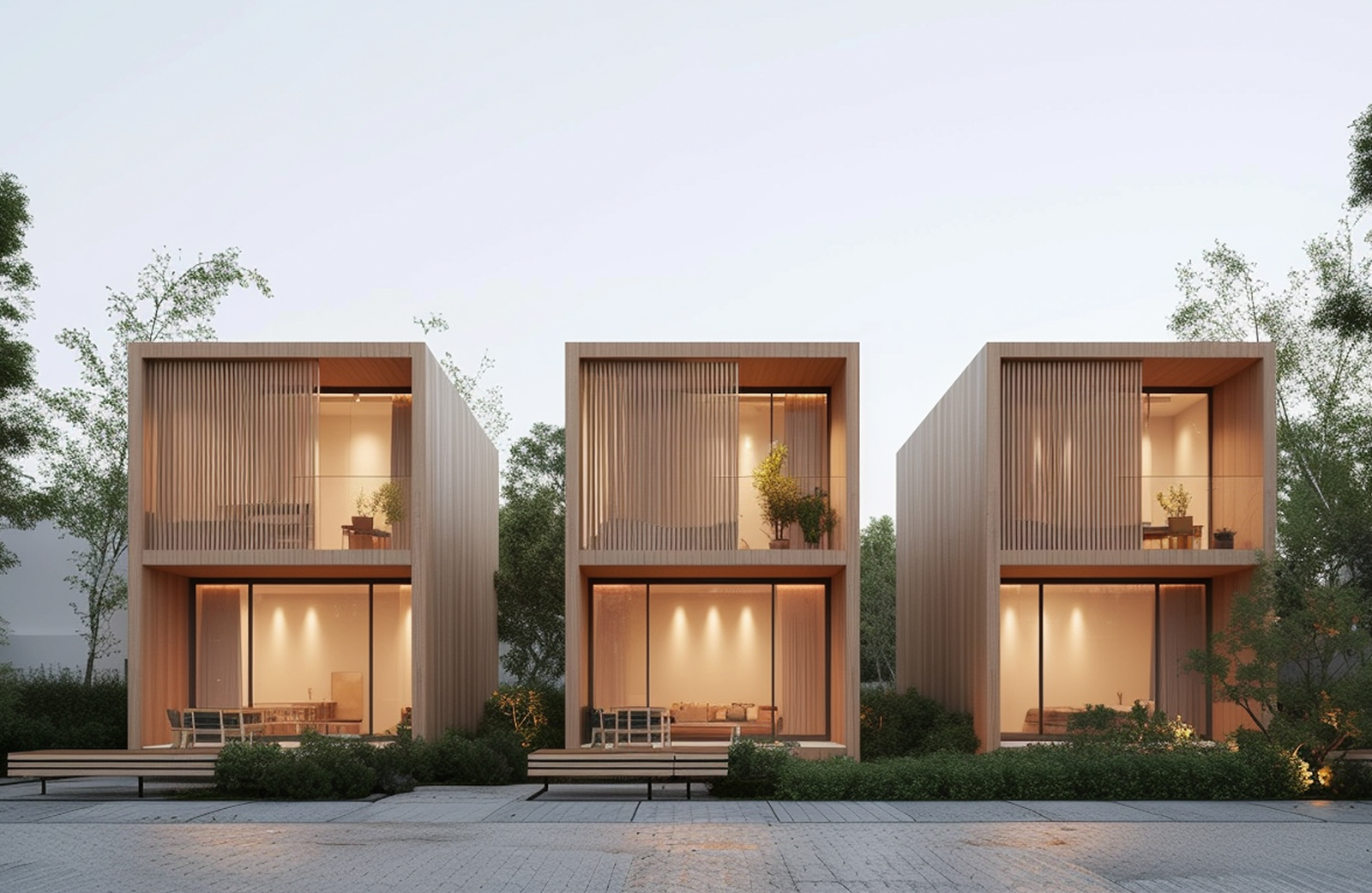


A delayed development approval does not just push back project timelines – it costs developers money every week. This is why 3D rendering for development approval and high‑quality DA submission renders have become critical tools for architects and developers across Australia.
Today, councils, planning authorities, and VCAT panels increasingly expect photorealistic renders as part of submission packages. For Australian architects and developers, this is no longer optional – it is a strategic advantage. Here is exactly how 3D renders support each stage of the development approval process.
What Types of 3D Renders Are Required for a DA Submission in Australia?
When preparing DA submission renders, the goal is not aesthetic appeal but clear communication for planning authorities. Most Australian councils expect a combination of the following visuals:
- Streetscape / Context Renders
These show how the proposed building fits within its surroundings, helping councils assess neighbourhood integration, especially important in residential sones.
- Aerial Site Renders
Bird’s-eye views demonstrate site coverage, setbacks, and relationships to adjoining properties, often required for medium and high-density developments.
- Facade Elevation Renders
Photorealistic front, rear, and side views showing materials, design details, and architectural finishes.
- Shadow & Solar Analysis Renders
These help evaluate the impact on neighbouring properties, sunlight access, and compliance with planning guidelines.
- Interior Amenity Renders (if required)
Used in certain applications to demonstrate internal usability and compliance with building standards.
For a 3D render development application Melbourne, these visual types often form the core submission package, especially where councils require straightforward evidence of scale, context, and neighbourhood fit.
How 3D Rendering for Council Approval Actually Works
Once the right render types are prepared, their value becomes clear during assessment, where councils need to understand the proposal quickly and accurately.
The real value of 3D rendering for council approval lies in how it simplifies decision-making for both architects and planning officers.
- Faster Understanding for Assessors
Planning officers often review dozens of applications weekly, and relying only on 2D drawings can slow interpretation. A well-prepared architectural rendering planning approval package communicates scale, materials, setbacks, and context instantly, reducing unnecessary back-and-forth queries.
- Faster Response to Design Objections
When councils or neighbours raise concerns, updated renders allow architects to visually demonstrate revisions without resubmitting full drawing sets, shortening approval cycles.
- Clear Demonstration of Neighbourhood Fit
Context renders show how the building interacts with nearby structures, streets, and landscape — addressing one of the most common rejection factors.
- Stronger Community Consultation
Many Victorian applications require stakeholder consultation. Visuals make it easier for non-technical audiences to understand the proposal, reducing resistance and objections.
Example placement:
multi-unit residential DA submission renders – Melbourne City Council submission
(Living proof builds trust and credibility)

3D Renders for VCAT Submissions - What Victorian Architects Need to Know
When a development moves to appeal, 3D renders for VCAT submission become even more critical.
VCAT assesses:
- Design character
- Neighbourhood context
- Amenity impact
- Compliance with Victorian planning schemes
High-quality renders function as visual evidence during hearings. They influence how the panel interprets design intent and feasibility.
A strong 3D renders for VCAT submission package can help clarify disputed design issues before they become harder to resolve during hearings.
Typical VCAT visual requirements include:
- Streetscape context renders
- Shadow and solar impact visuals
- Amenity and internal views
- Sightline and massing analysis
Architects using professional renders gain a clear advantage by guiding how the project is visually understood. For complex or disputed projects, this can significantly impact outcomes.
Do Different Melbourne Councils Have Different 3D Render Requirements?
Yes, and understanding this is critical when preparing a 3D render development application Melbourne.
| Council / Area | Typical Requirements | Notes |
|---|---|---|
| Melbourne City Council | Streetscape, elevation, shadow diagrams | Higher scrutiny in CBD areas |
| Stonnington / Boroondara | Neighbourhood context, heritage sensitivity | Heritage overlays are key |
| Merri-Bek (Moreland) | Aerial + street context | Growth zone focus |
| Yarra Ranges & Outer Metro | Landscape and environmental impact renders | Environmental overlays apply |
| VCAT (All Councils) | Full visual package including context & shadow | Used as formal evidence |
Note: Requirements vary based on overlays, soning, and application type. Always confirm with council or planning consultants.
This is why early planning matters; the render brief should match the council context, not just the architectural model.
Also Read: What is CGI Rendering in Architecture?
Frequently asked questions
What is 3D rendering for development approval?
It involves creating photorealistic images specifically for council submissions. These visuals help communicate design intent, scale, and impact more clearly than technical drawings alone.
Are DA submission renders mandatory?
Not always, but they are increasingly expected across Australian councils. Submissions without renders often result in delays due to additional information requests.
How long does it take to produce DA renders?
Most DA submission renders take 5–10 business days. Larger or complex projects may require up to 2–3 weeks.
Can renders be reused for VCAT submissions?
Yes. Existing renders can be adapted and expanded for VCAT requirements, saving time and cost in appeal situations.
Conclusion
A Development Approval is more than a planning step; it is the gateway between concept and construction. The visuals submitted as part of that process are not just supporting documents; they are the clearest expression of your design intent.
At Ecompapi Studio, we produce 3D rendering for development approval and DA submission renders specifically aligned with Australian planning requirements from Melbourne council submissions to VCAT hearings.