

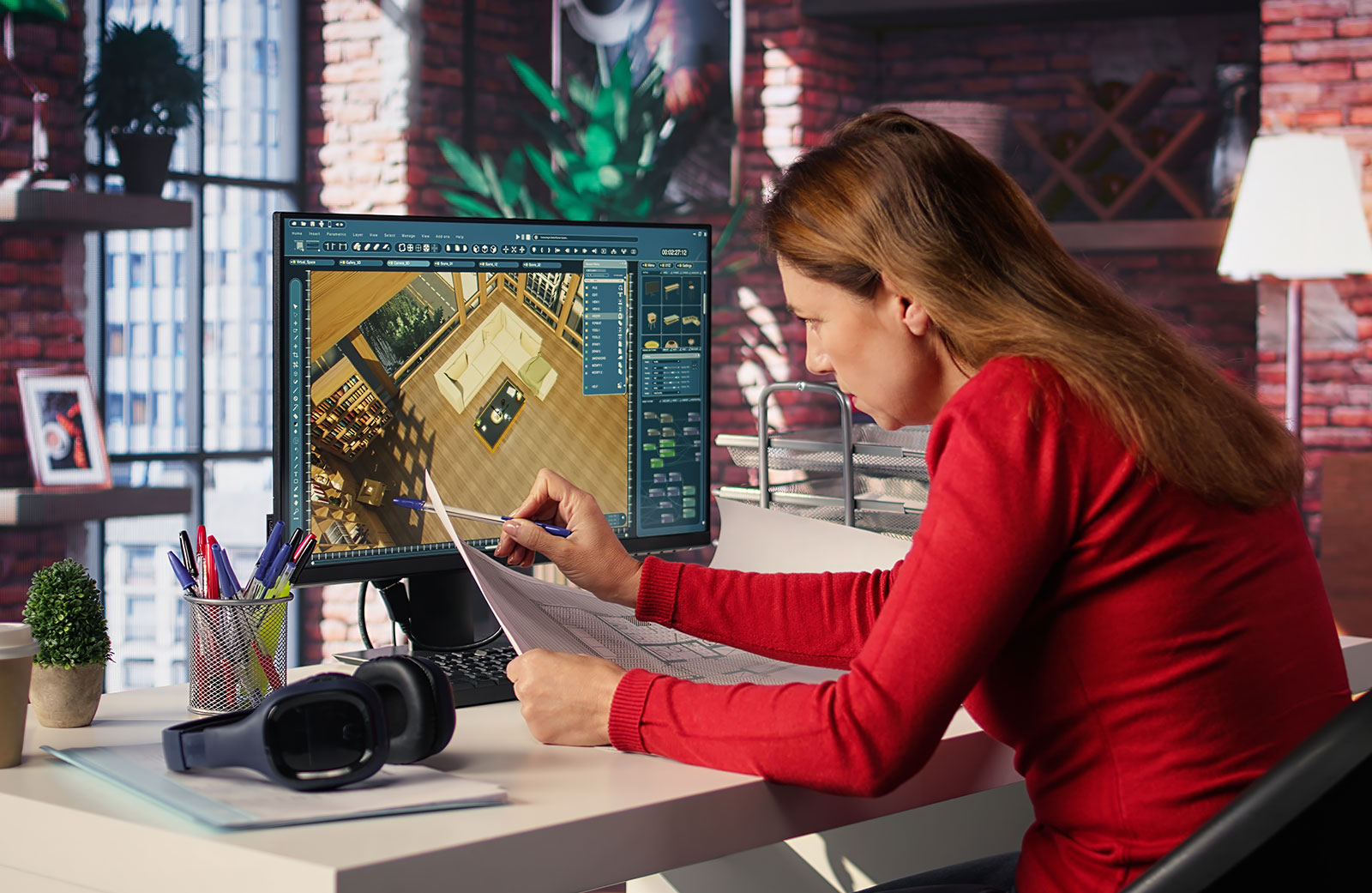
Visualisation has become a necessary part of contemporary architectural design. It is beneficial for demonstrating ideas to clients, getting planning approval or creating effective marketing materials.
There are two possibilities for architecture companies. They can create an in-house visualisation department or collaborate with an external studio specialising in it. There are certain benefits to each approach, and the right option is determined by the number of projects, timeframe, resources, and required level of quality.
It is common for many Australian architecture companies to outsource 3D visualisation because it provides them with access to specialists without having to create an in-house team. The increasing complexity of projects and growing expectations of customers make companies think which way is better: in-house production or outsourcing 3D renderings.
Why Architecture Firms Need High-Quality 3D Visualisation
Visualisations in architecture serve many functions other than generating pleasing images.
They assist the firm in effectively communicating the purpose of the design, enabling clients to see how the building will look before the construction process even starts. In addition, visualisations aid the approval process in illustrating how the building will fit into its surroundings.
Good quality visualisations can contribute to better project proposals, more effective client presentations, and enable the firms to secure bids. People who review projects, such as investors and approval authorities, tend to like what they can see as opposed to just technical drawings.
For that reason, visualisation is becoming a crucial component of communication for both small and large firms.
In-House 3D Visualisation: Benefits and Challenges

Benefits of an In-House Visualisation Team
An internal visualisation team will give you great control.
The architects will be able to interact with visualisers at any time in the designing process, allowing faster and more efficient collaboration. It will usually be easier to make changes quickly since all the people in the team know each other very well and operate within the same workspace.
Another benefit is that in-house visualisers will get used to your processes, design requirements, and the project itself.
It will be useful for studios that have a steady stream of work related to visualisations.
Challenges of Managing In-House Visualisation
Internal teams offer control, but they involve heavy investments as well.
The company would have to hire skilled artists, pay competitive wages, buy software licenses, invest in powerful computers and pay for training. These expenses can become quite huge especially for small firms.
It may be hard for the internal team to cope with changes in workload.
During peak periods, the team may not be able to meet the demand. During low periods, its work may remain underutilised.
Recruitment may become another issue. It becomes increasingly difficult for companies to find skilled architectural visualisers who have both rendering and architectural knowledge in Australia.
All these operational aspects usually influence the choice between internal and outsourced rendering greatly.
Outsourced 3D Visualisation: Benefits and Challenges
Benefits of Outsourcing Architectural Visualisation
Many firms are turning to outsourced 3D rendering services because they provide access to specialist expertise without the fixed costs of building an internal department.
Access to Specialist Expertise
Professional visualisation studios bring experienced artists, advanced rendering knowledge, and industry-specific expertise to each project. These specialists often work across a wide variety of developments, allowing them to stay current with visualisation trends and technologies.
For firms pursuing architectural rendering outsourcing, this means access to highly skilled professionals without requiring permanent hires.
Cost Efficiency
One of the biggest advantages of architectural CGI outsourcing is cost management.
Firms can avoid:
- Permanent salaries
- Software licence costs
- Hardware upgrades
- Training expenses
The cost of hiring a 3D visualisation company Australia is often significantly lower than maintaining a fully staffed visualisation department, particularly for firms with variable workloads.
Scalability
Outsourcing offers flexibility.
Architecture firms can scale visualisation support up or down depending on project requirements. This is particularly valuable during:
- Large developments
- Competition submissions
- Tight project deadlines
- Client presentation periods
- Tender submissions
This flexibility is one reason many practices choose to outsource architectural renders during peak workloads.
Potential Challenges of Outsourcing
Communication and revision are key components of outsourcing.
If briefing data is insufficient or the project specifications are poorly stated, it could lead to possible delays. Revision and document coordination must be well planned as well.
Yet, most competent companies offering architectural CGI outsourcing usually have workflow systems that can tackle these issues through effective communication methods, revisions, and project management.
Outsourcing, in many cases, boils down to choosing the right visualisation service provider.
Also Read: How to Brief a 3D Visualisation Studio
In-House vs Outsourced 3D Visualisation: Key Differences
| Factor | In-House | Outsourced |
|---|---|---|
| Cost | Higher ongoing investment | Flexible project-based cost |
| Expertise | Depends on internal team | Access to specialists |
| Scalability | Limited by internal resources | Easy to scale |
| Software Investment | Firm responsibility | Managed by studio |
| Project Flexibility | Capacity constraints | Multiple project support |

When Should Architecture Firms Outsource 3D Visualisation?
These are some instances whereby outsourcing of architectural rendering would be strategic.
Companies that do not have enough experience internally in doing renderings would benefit from outsourcing because the specialists will give better and more efficient results.
The period of tight deadlines, huge development projects, competitions, or presentations to clients would also be times when outsourcing is important. In such cases, extra manpower could be needed to maintain quality in the tight schedule.
High-end photorealistic rendering is another area where firms resort to outsourcing in architectural rendering.
Some firms do outsource 3D renderings not because they do not have designs but for visualisation.
Choosing the Right 3D Visualisation Partner
Selecting the right visualisation studio is critical.
Architecture firms should evaluate:
- Portfolio quality
- Experience with architectural projects
- Understanding of design intent
- Communication processes
- Revision workflow
- Ability to meet deadlines
A strong visualisation partner should feel like an extension of the design team rather than an external supplier. The best providers of architectural CGI outsourcing understand both architecture and visual communication, helping ensure that the final imagery reflects the project’s original design vision.
Frequently Asked Questions
Is outsourcing 3D visualisation cheaper than hiring internally?
In many cases, yes. Firms avoid ongoing expenses such as salaries, software licences, hardware upgrades, and training. The overall cost of hiring a 3D visualisation company Australia is often more flexible than maintaining a permanent internal team.
Do Australian architecture firms outsource rendering work?
Yes. Many firms use outsourced 3D rendering services to access specialist skills, increase capacity during busy periods, and manage project costs more efficiently.
How long does outsourced architectural rendering take?
Timeframes vary depending on complexity, project scale, and revision requirements. Most render projects require anywhere from several days to a few weeks.
Can outsourced artists work with our CAD and BIM files?
Absolutely. Most visualisation studios regularly work with CAD, BIM, Revit, SketchUp, ArchiCAD, and other industry-standard file formats.
What should architects look for in a 3D visualisation studio?
Architects should review portfolio quality, architectural experience, communication systems, revision processes, and delivery reliability before selecting a partner.
Conclusion
There is no one correct answer in this regard, and the correct choice between outsourcing and using in-house 3D renderings depends on the workload, the availability of the resources and budget.
For most companies, however, it is best to outsource 3D rendering services. With help from visualisation experts, architecture firms will get top-quality visuals without compromising their other resources.
Ecompapi Studio partners with architecture firms across Australia to deliver high-quality architectural rendering, animation, and visualisation support. Through flexible outsourcing solutions, we help practices scale their visualisation capacity, meet deadlines, and present projects with clarity without the overhead of maintaining a full in-house rendering team.