
There has always been evolution in property development in Australia, but 2026 is witnessing something that is quite distinct. Buyers know much more, developers have become much more careful, and there is little patience. Properties that cannot be easily comprehended are simply discarded.
3D visualisation has a prominent role in this space.
Using 3D visualisations, purchasers have a chance to see what a building looks like before it is built. The inclusion of images and experiences makes it possible to convey ideas better than using only diagrams or floor plans. It is not an indulgence anymore; it is now a necessity.
This article elaborates on the reason behind such a requirement of 3D visualisation and the latest trends in Australian property in 2026.
Why 3D visualisation is shaping Australian property
3D visualisation has become important because it gives everyone the clarity they need to make decisions.
- Buyers want to understand what they are paying for
- Councils need accuracy to assess approvals
- Investors look for confidence before committing funds
A traditional floor plan shows measurements and layout, but it does not show how a space feels, how light enters a room, or how a building fits into its surroundings. For most people, that simply is not enough anymore.
From large master planned developments to small 3D house visualisation projects, the property industry now relies on visual content to explain scale, design intent, and lifestyle outcomes clearly.
A professional 3D architectural visualisation agency supports this process by turning technical information into visuals that are easy to understand and trust. This helps projects move forward with fewer misunderstandings and faster decisions.
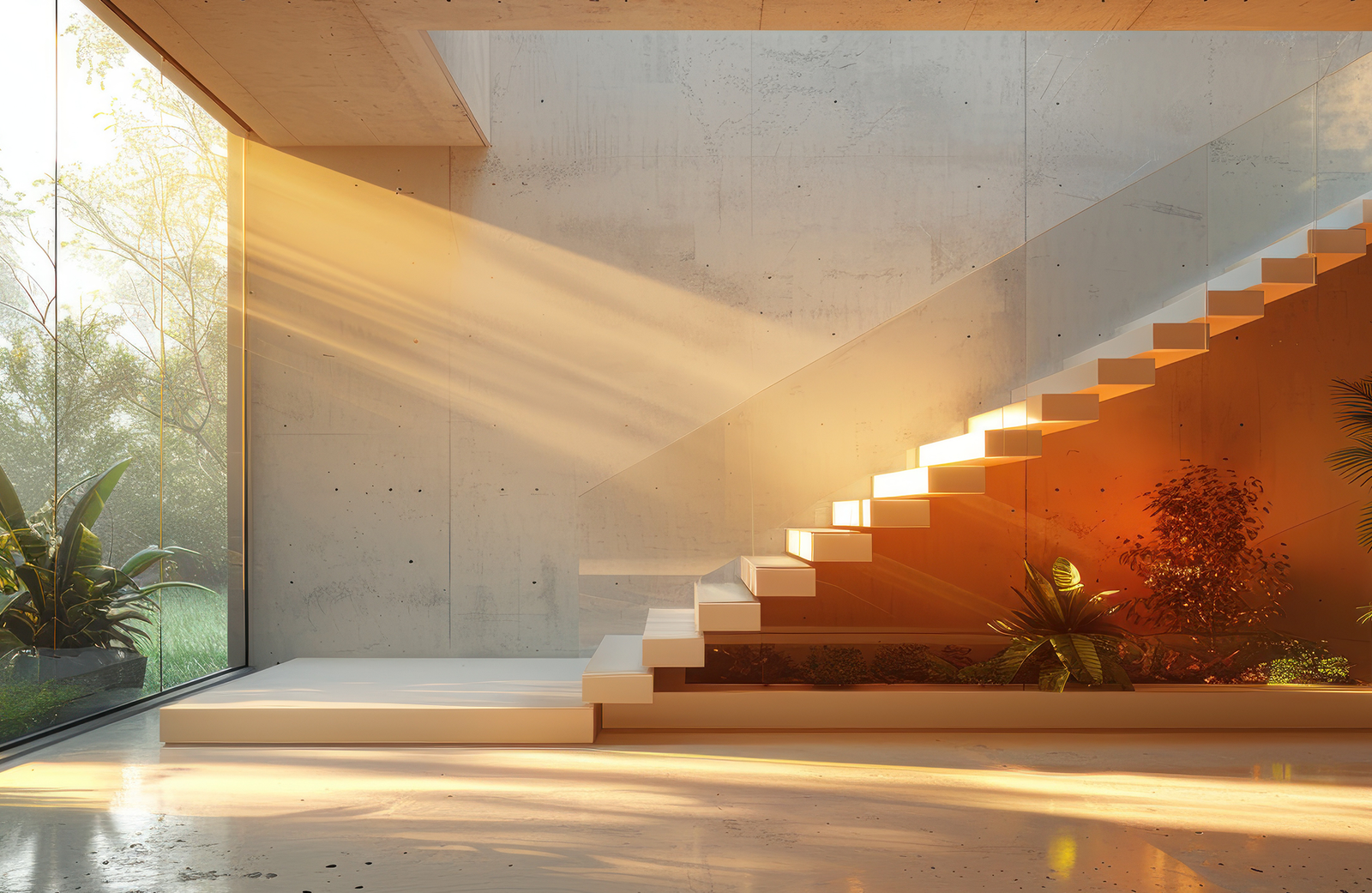
Visuals are now expected to be hyper-realistic
It used to be that realism in visuals was a wow factor. By 2026, it will simply be the expected norm.
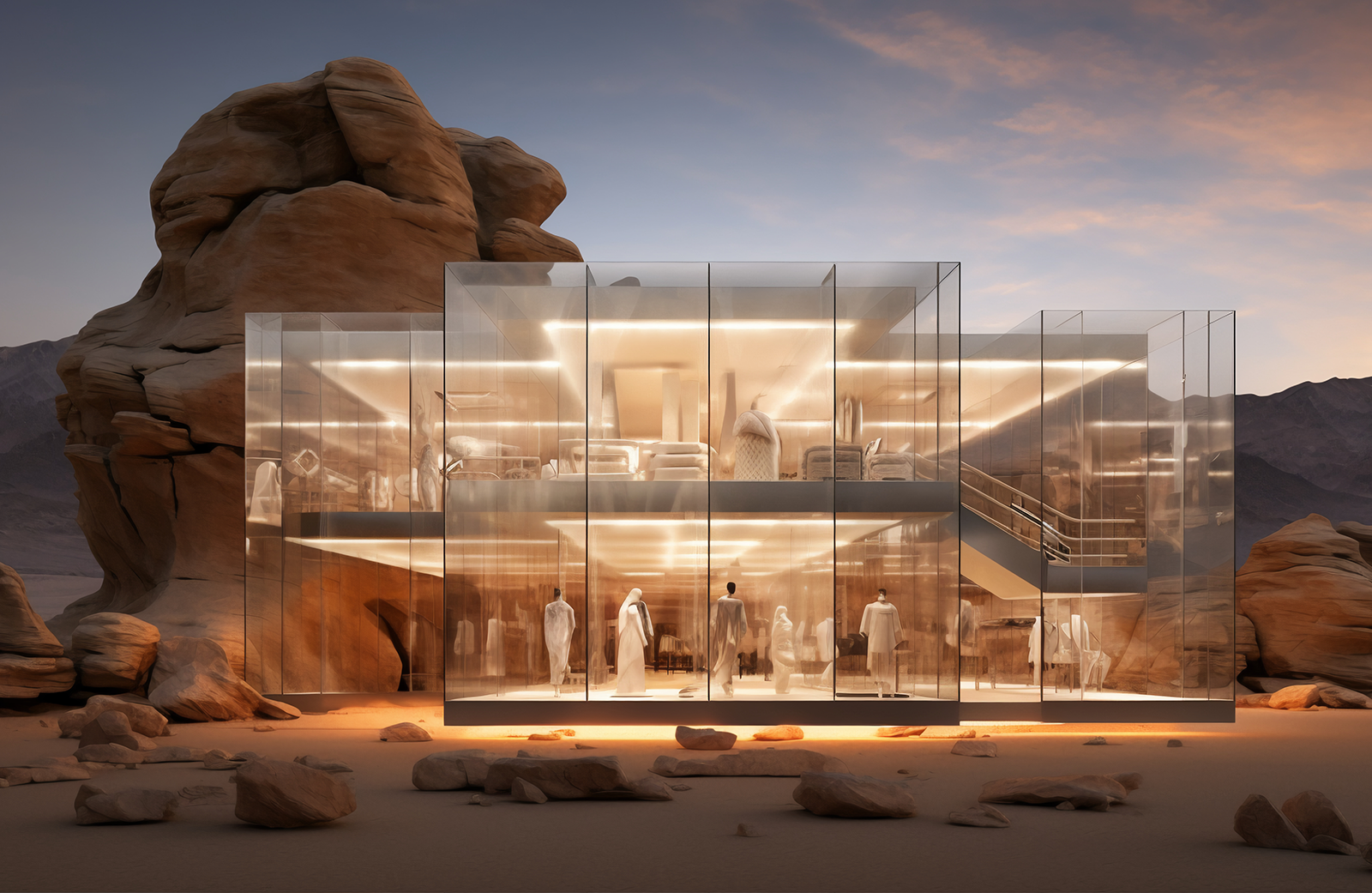
Photorealism is today – the benchmark set for residential, commercial, and mixed-use developments. Such visuals depict everything from the materials, light sources, reflections, and surface texture with complete accuracy.
This change has come about due to two factors, both clear and distinct. Firstly, the trends in 3D rendering software technology have evolved quite considerably. Secondly, audiences are much better at identifying unrealistic visuals.
Real-time walkthroughs and interactive experiences
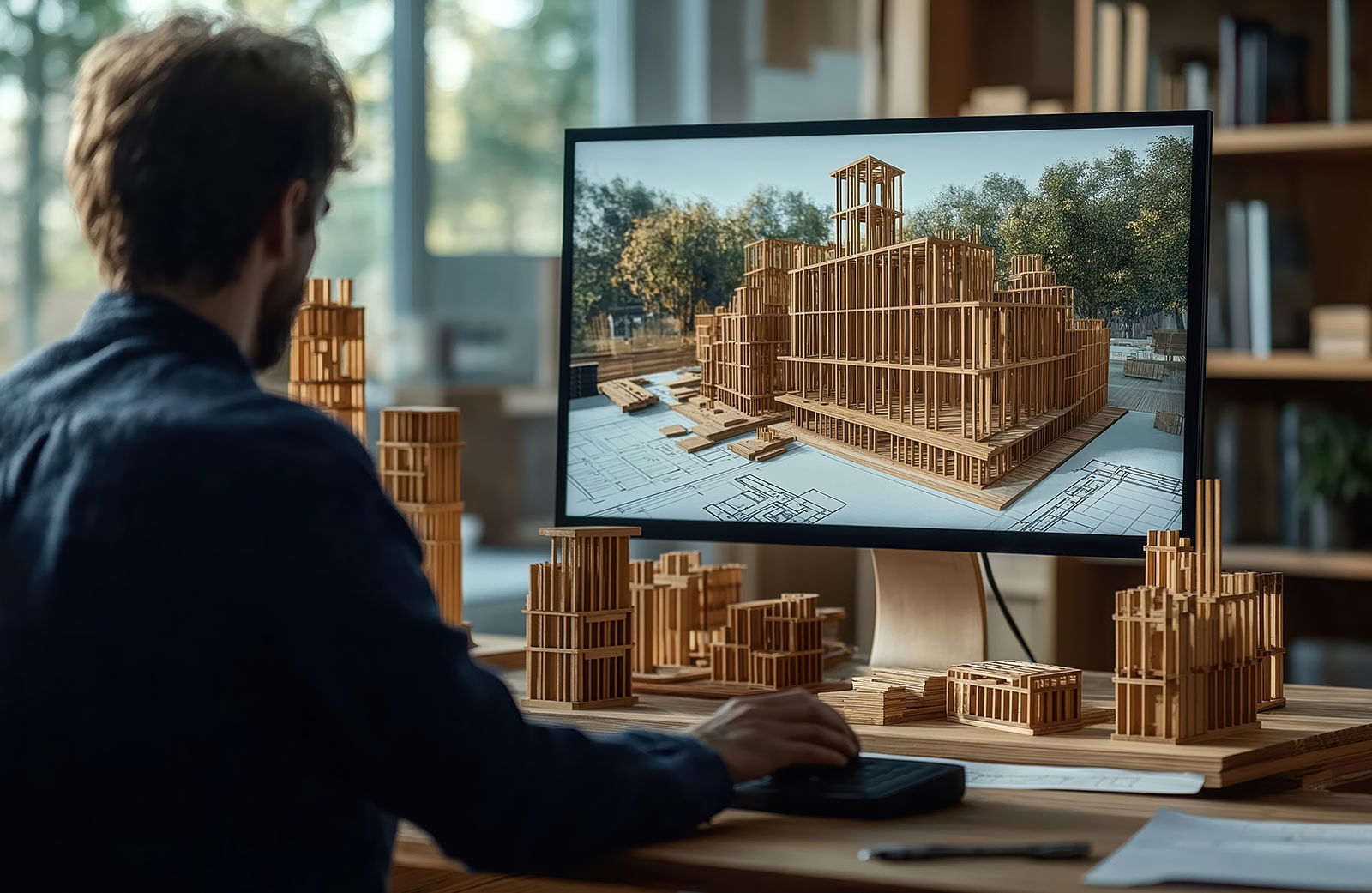
While static pictures have not lost any of their relevance, they are no longer sufficient as an only means. The trend of interactive visualisation will be one of the major ones in architecture in 2026. Through such software, the user will have the opportunity to virtually walk through a house and comprehend its layout without explanations.
This is particularly relevant for pre-sale properties; since prospective customers will be able to see – how rooms are interconnected and how light influences the atmosphere there.
Australian developers are increasingly using these experiences both online and in display suites, were convenience and clarity matter most.
Lifestyle-focused visuals instead of pure architecture
Another major shift is what visuals focus on.
3D visualisation is no longer just about showing buildings. It is about showing how people will live in those spaces.
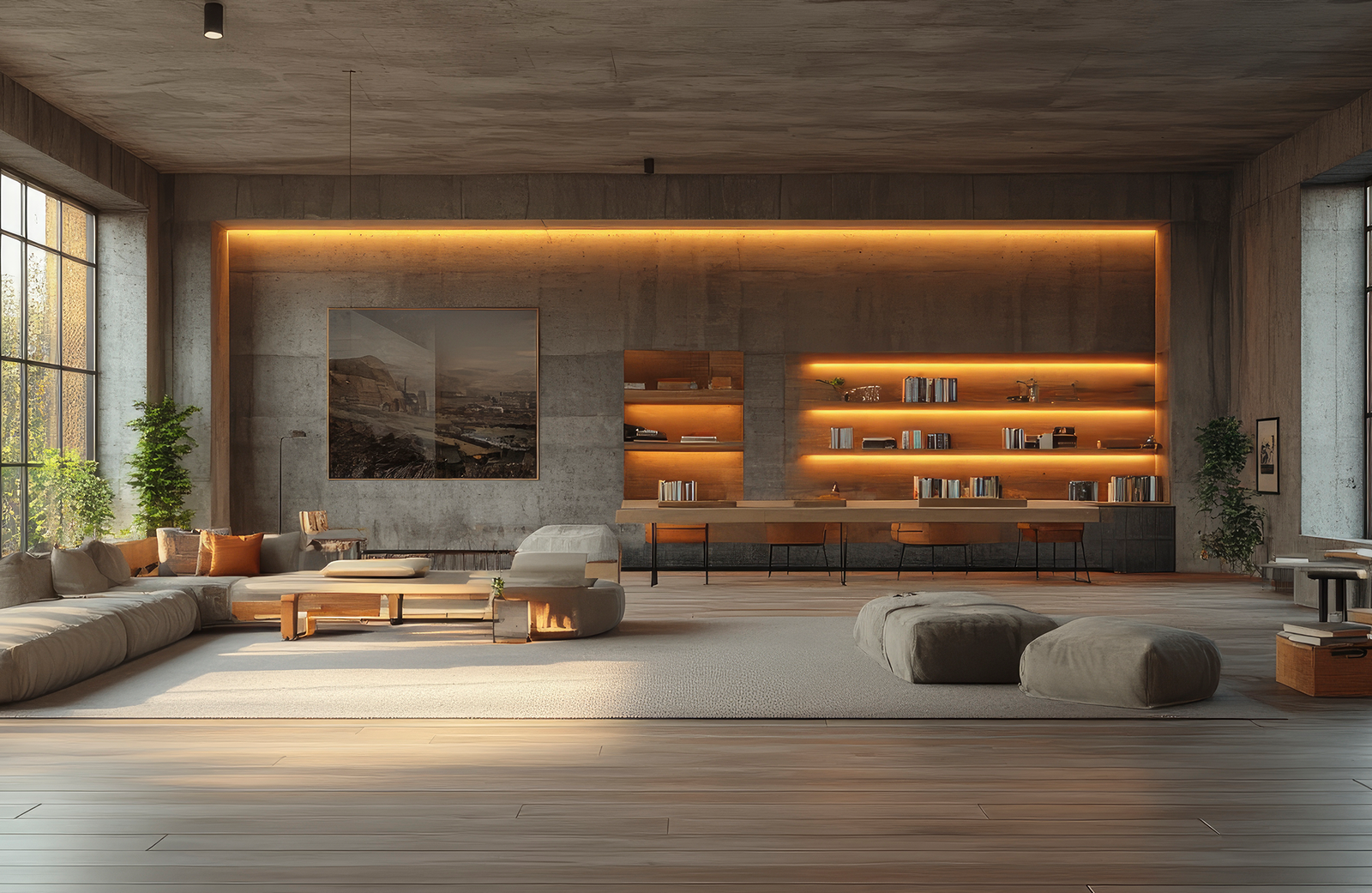
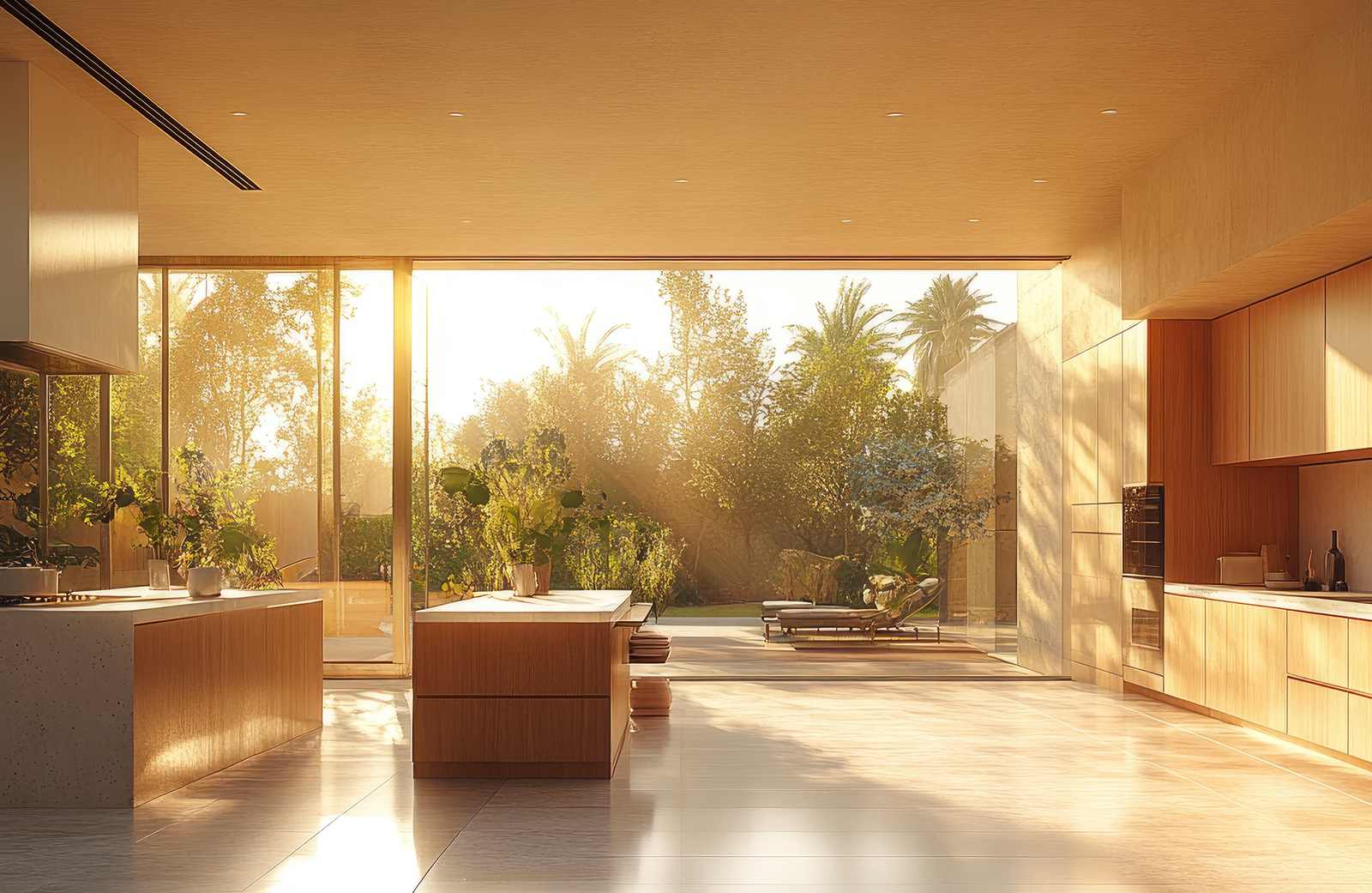
In 2026, strong visuals include everyday moments such as morning light in a kitchen, shared living areas, or quiet workspaces. This approach is particularly common in 3D house visualisation, where emotional connection plays a key role.
Australian buyers are not just buying property. They are buying a lifestyle. Visuals now reflect this by showing mood, movement, and human presence, not just structure.
A skilled 3D architectural visualisation agency understands how to balance design accuracy with emotional clarity.
Sustainability shown clearly through visualisation
Sustainability is a major focus in Australian property, but it can be difficult to explain through drawings alone.
3D visualisation now helps show sustainable features in a clear and practical way. This includes solar panels, shading systems, green roofs, native landscaping, and water-efficient design strategies.
By showing how these features work visually, buyers and councils can understand environmental benefits without needing technical explanations. This also helps support smoother approval processes.
Among current architectural visualisation trends, this is one of the most practical and effective.
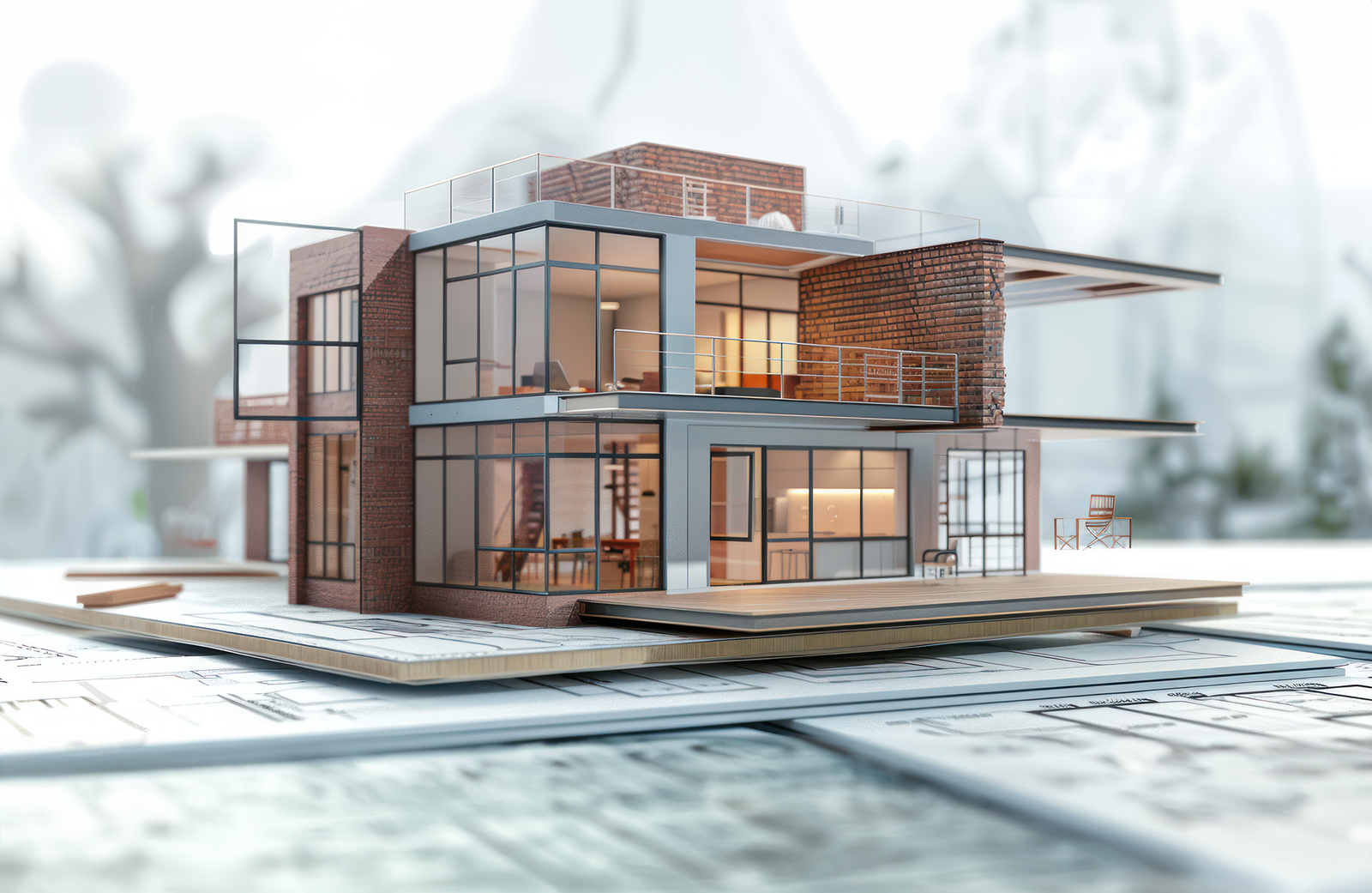
Faster delivery without sacrificing quality
Time pressure is a reality in property development, and technology has adapted.
With the improved efficiency of modern rendering programs and methods, better graphics are easier to create. This does not equate to lower standards but better methodologies.
Better lighting equipment, instant previewing capabilities, and more efficient rendering processes assist companies in meeting stringent time constraints without compromising on quality. In Australia, the project deadlines can be unpredictable.
These developments reflect how 3D rendering technology trends are improving both efficiency and output.
Strong focus on local accuracy and context
Generic visuals are becoming less effective.
Australian property projects now demand visuals that reflect real local conditions. This includes correct vegetation, natural lighting, climate, and urban character. Coastal, suburban, and inner-city areas all require different visual approaches.
Buyers trust visuals that look familiar. Councils respond more positively when designs feel grounded in place.
Accuracy has become just as important as appearance.
Concept visuals for early-stage decisions
All projects do not start off with realistic details, and that is by design.
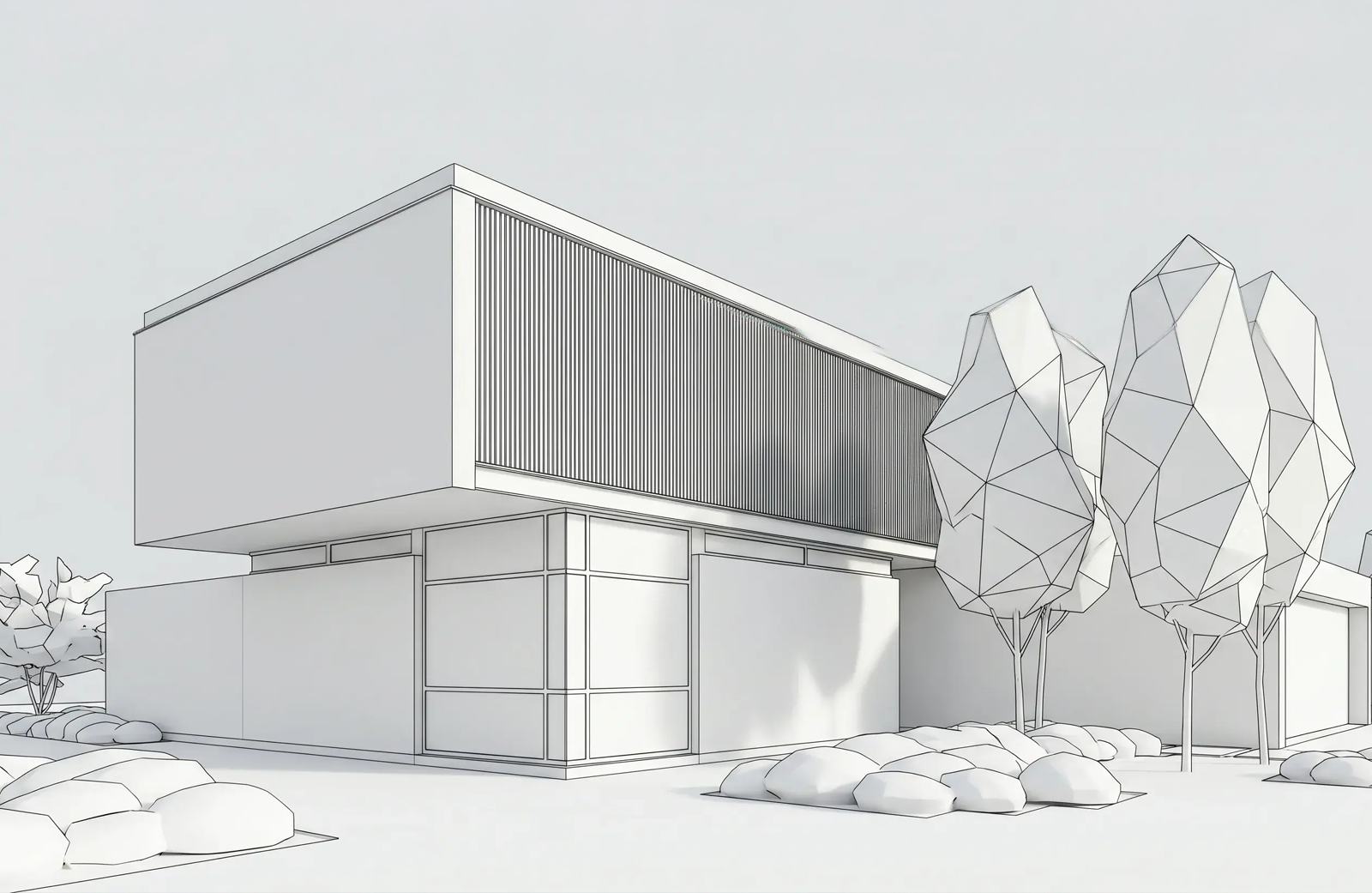
The other trend that is developing is the utilisation of simplified concept art early in the design phase. Here, artists create sketches that emphasise shape, size, and atmosphere over details.
This allows for the exploration of multiple alternatives, clear communication, and alignment of all parties involved, ensuring less redesign work down the road.
This is to prove that 3D visualisation does not just serve marketing purposes.
Also Read: What is CGI Rendering in Architecture?
FAQs
What is the biggest trend in architectural visualization for 2026?
The biggest trend is immersive, real-time visualisation using VR and interactive tools that allow users to explore and experience spaces before construction.
How does 3D rendering help in sustainable architecture?
3D rendering simulates lighting, materials, and energy performance, helping architects make informed decisions that reduce environmental impact and improve building efficiency.
Is VR rendering expensive for small projects?
VR rendering can cost more initially, but modern tools and browser-based solutions are making it increasingly accessible for smaller and mid-scale projects.
How do I choose the right architectural visualization studio?
Choose based on portfolio quality, industry experience, communication clarity, turnaround time, and their ability to understand your project goals and local market context.
Should we prioritize static photorealistic renders or interactive walkthroughs?
Both are important. Static renders attract attention quickly, while interactive walkthroughs enhance understanding, especially for complex or off-the-plan developments.
What architectural visualization trends matter most for residential projects?
Key trends include photorealistic interiors, lifestyle-driven scenes, interactive walkthroughs, and context-based visuals that show how homes fit into real environments.
The future focuses on clarity
All of these trends point to one clear outcome. Clarity.
In 2026, 3D visualisation is about making complex ideas easy to understand. Buyers want reassurance. Councils want transparency. Developers want efficiency.
3D visualisation sits between all these needs, turning technical information into visuals that communicate clearly and confidently.
Good visualisation is no longer just about aesthetics. It is a strategic part of how Australian property is designed, approved, and sold.
And that is what makes it essential.