

Blogs

VR Architecture in Australia
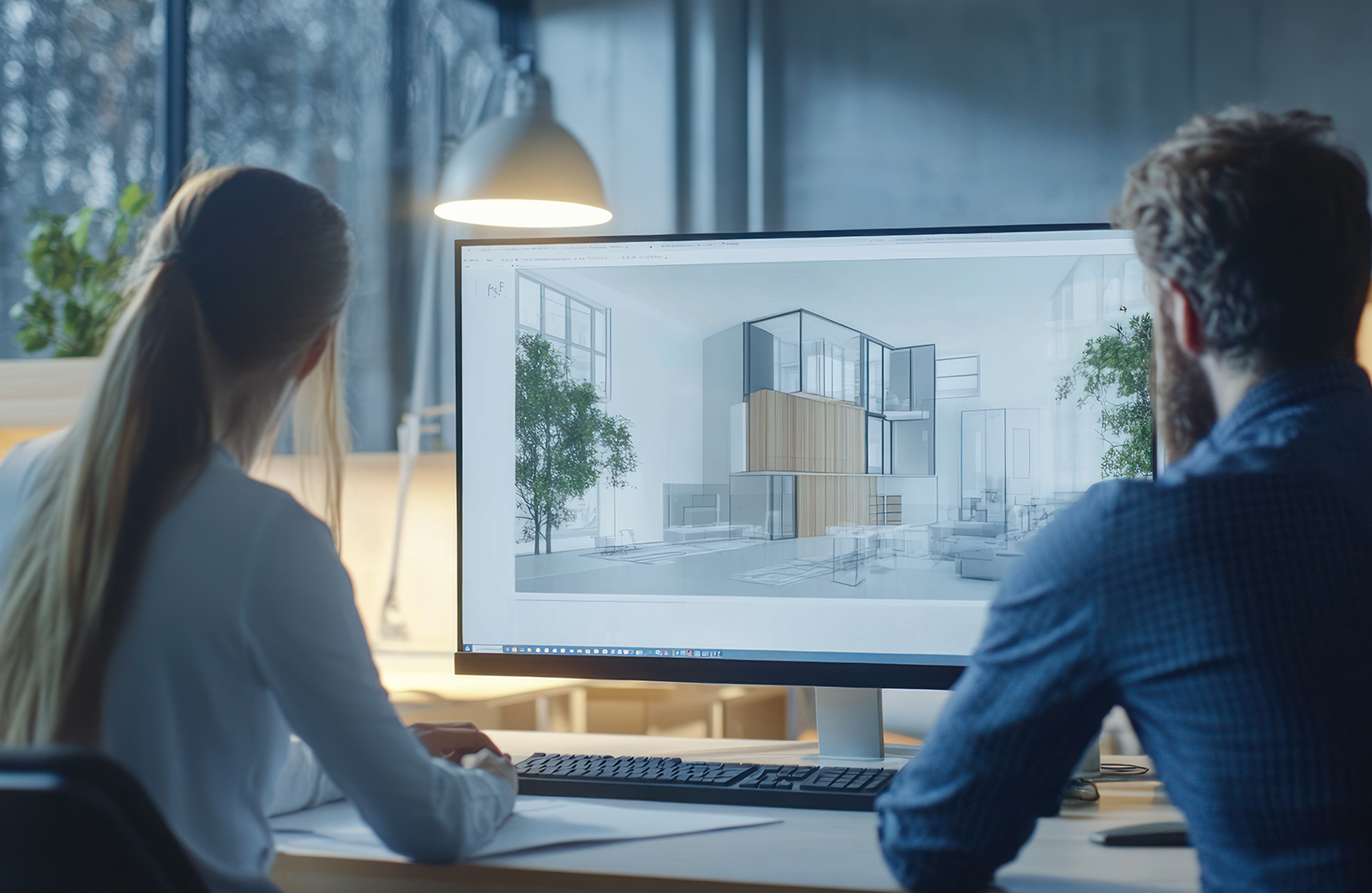
Today, VR architecture is becoming a core tool across Australian development and design workflows. At Ecompapi Studio, these experiences are built for real projects, helping developers, architects, and marketing teams move beyond static visuals.
3D Rendering to Sell Off-the-Plan Properties
Construction finance in Australia typically depends on achieving strong pre-sales before funding is released. For developments that don’t yet exist physically, 3D rendering off the plan Australia and high-quality off the plan property renders Australia are not optional; they are the core tools that make early buyer confidence and sales momentum possible.
How 3D Rendering Helps Architects
A delayed development approval does not just push back project timelines - it costs developers money every week. This is why 3D rendering for development approval and high‑quality DA submission renders have become critical tools for architects and developers across Australia.
3D Interior vs Exterior Rendering
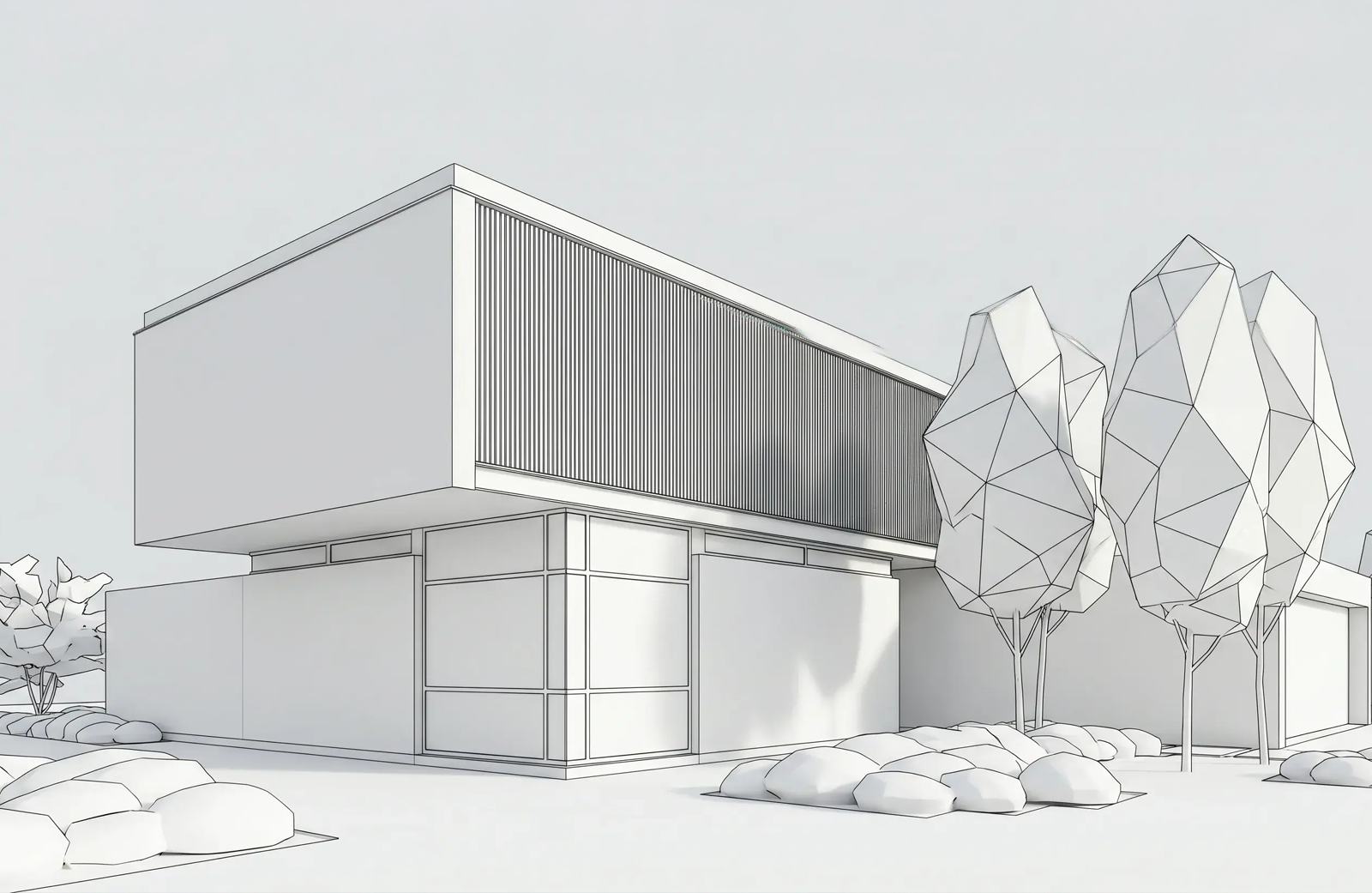
A developer planning a new build, an architect preparing a submission, or a designer presenting a concept - all face the same question early on: which render type actually fits the project? The debate around interior rendering vs exterior rendering is common because both look similar at a glance but serve quite different purposes across Australian projects.
3D Architectural Walkthrough
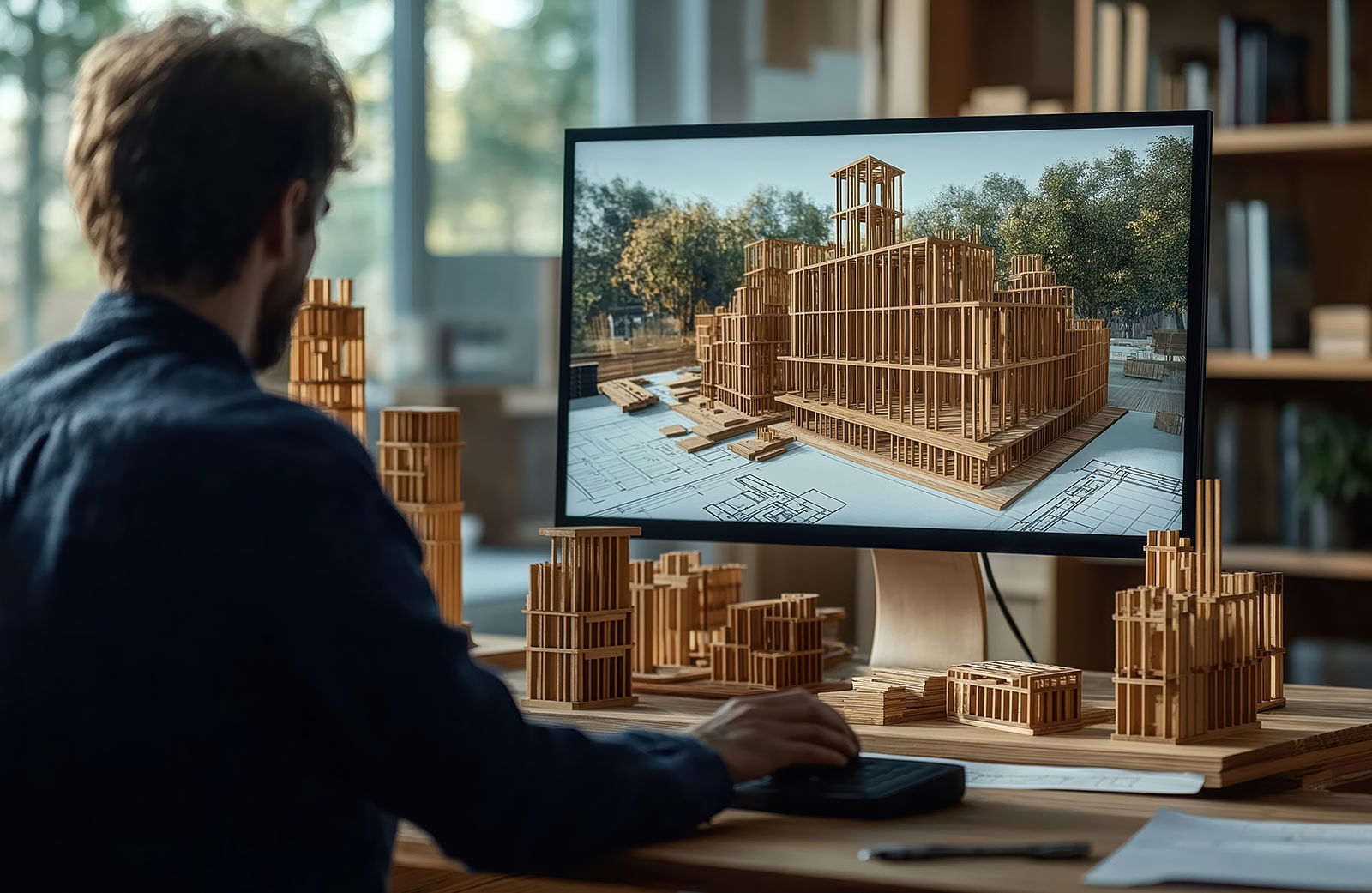
Images like still renderings and floor plans would enable people to have a preview of what the design would look like after completion. But it would fail to provide the same experience in moving within the building and thus could lead to misunderstanding and other related issues. One possible way of overcoming this challenge is through the use of 3D architectural walkthrough. This would give the viewer a virtual experience of the design and the way they should work together
Photorealistic Architectural
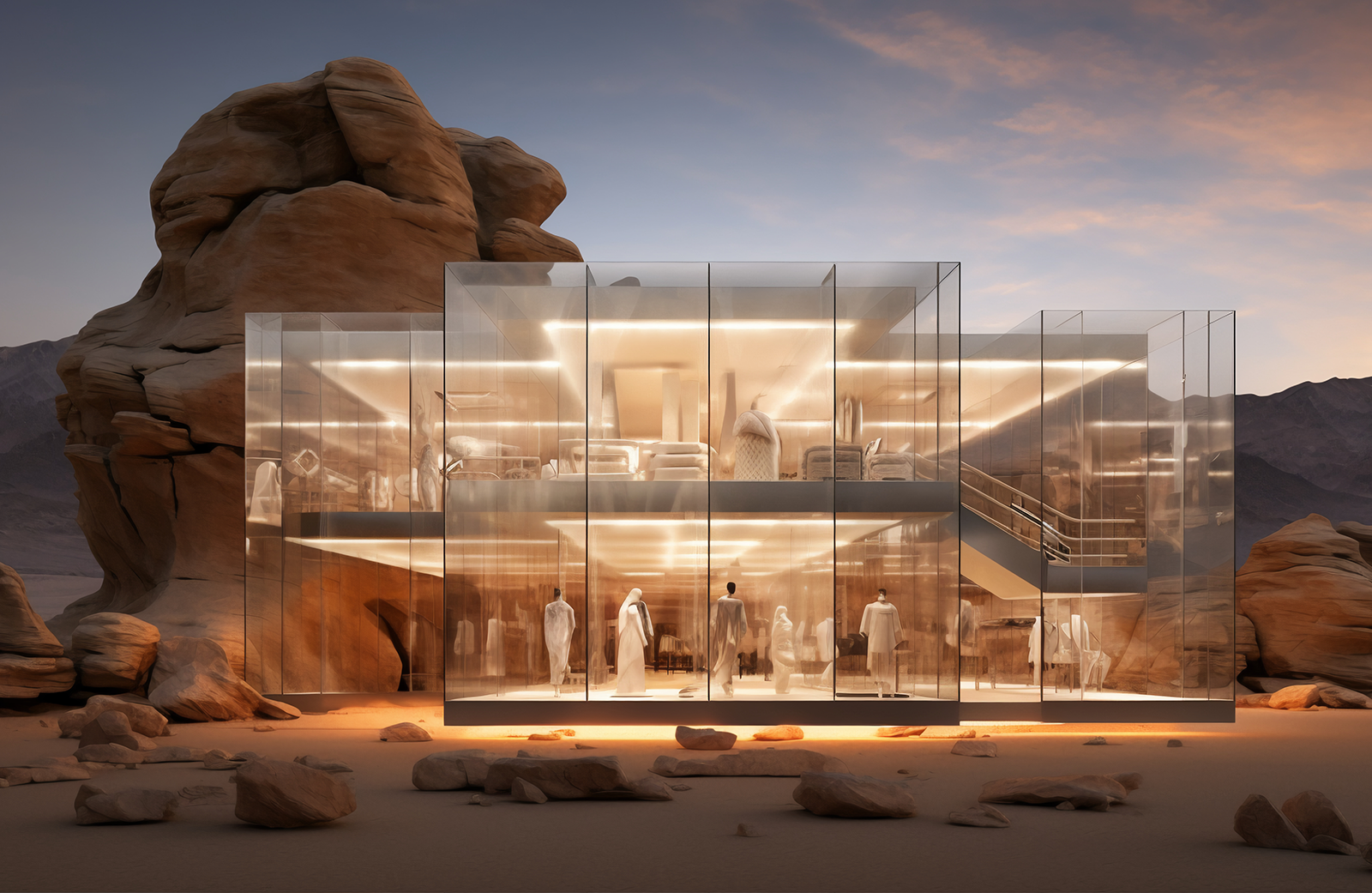
Before building a structure, one should believe that it exists. Not through sketches and models but in reality, a structure that can be seen and understood. This is where photorealistic rendering becomes relevant. The age of presenting architectural designs is long gone. The designs now must be convincing, accurate, and believable long before any construction takes place. In essence, good photorealistic architectural rendering means more than just depicting the structure in question. What it means is having the viewer see himself within the space.
3D visualisation
Interior design always begins with imagination. The interior designer first forms an image of the space that should exist. Though it may not yet be built, everything about the space – its layout, lighting, texture, and atmosphere – is conceptualised in the mind of the interior designer.  It sounds like an easy task, but it is not. No one else can imagine as the interior designer does. It is difficult for clients to see the picture. Something natural for an interior designer can be very hard to convince others of.
CGI Render
Let’s start with something you already know.  At some point, you have seen images of buildings with perfect appearances, but which are not built. They are usually lit in the most natural way and seem like they are well planned for the coming occupants.  In almost all these cases, what you see is not a picture taken from real life; rather, it’s CGI.  Even if you have never heard of the term, you definitely have encountered its use. While CGI rendering is very common in architecture, its definition is usually couched in technical jargon.