

Let’s start with something you already know.
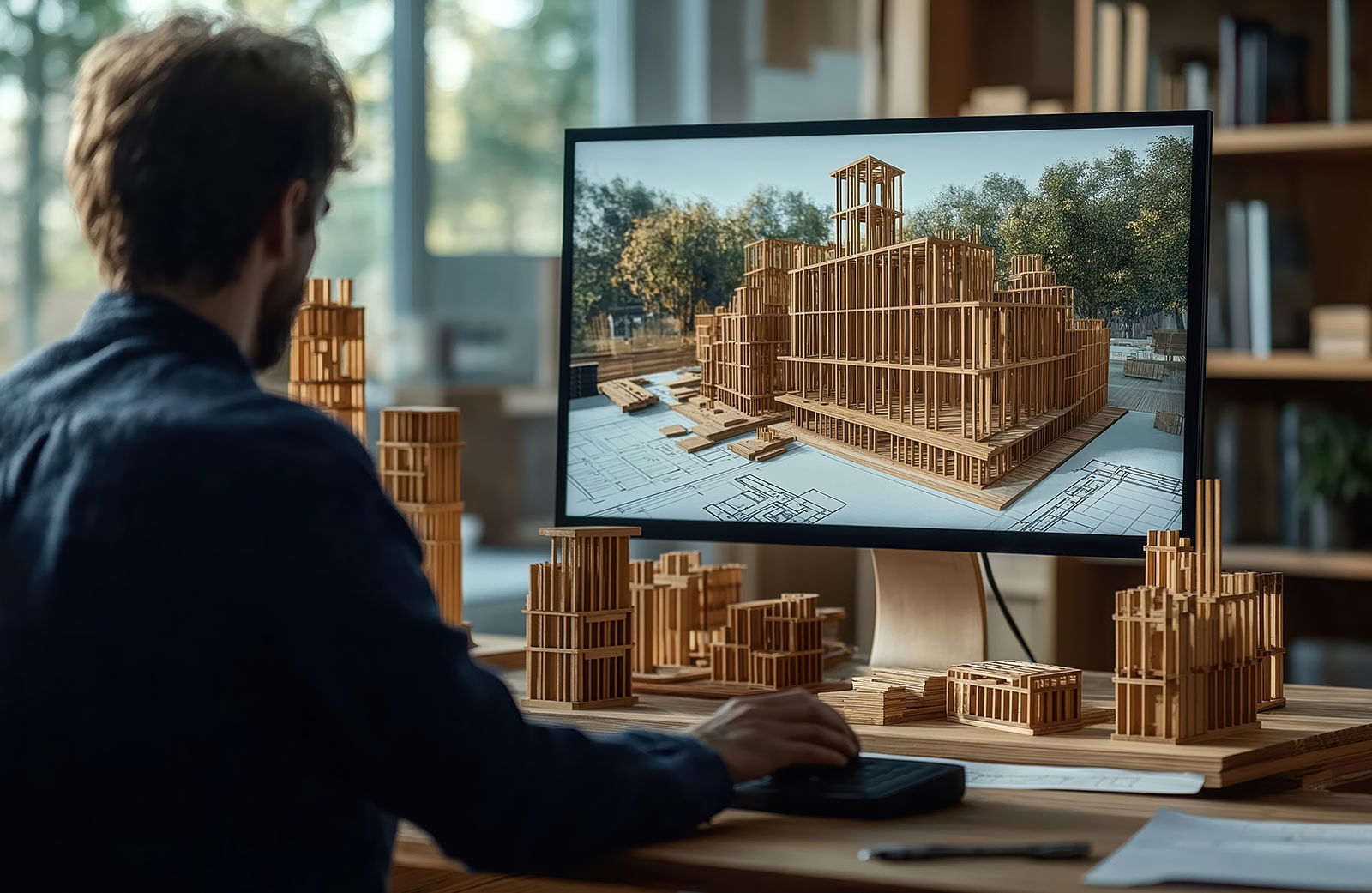
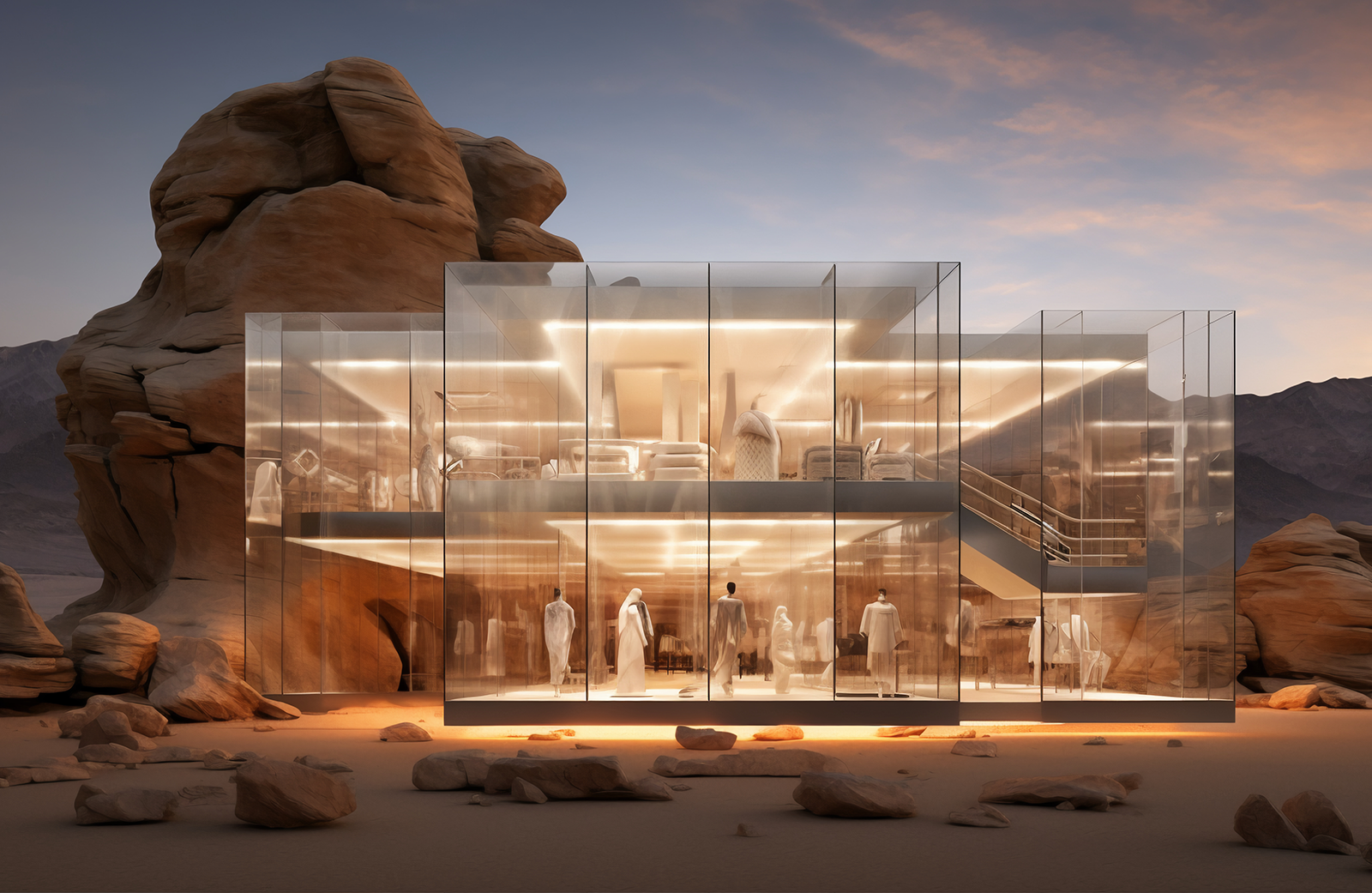
At some point, you have seen images of buildings with perfect appearances, but which are not built. They are usually lit in the most natural way and seem like they are well planned for the coming occupants.
In almost all these cases, what you see is not a picture taken from real life; rather, it’s CGI.
Even if you have never heard of the term, you definitely have encountered its use. While CGI rendering is very common in architecture, its definition is usually couched in technical jargon.
Thus, we will make things simpler for you.
This article describes CGI rendering, the process involved, and the reason why CGI rendering has become an integral aspect of architectural design and communication.
What is CGI rendering in architecture?
CGI means Computer Generated Imagery.
In architecture, CGI rendering entails the creation of realistic images of structures using specific computer software before their construction. These images are derived from architectural designs and data.
Simply put, CGI rendering illustrates how a structure will appear before its construction.
It simplifies the understanding of structural designs for clients, purchasers, and other parties without interpreting complex designs.
Why is CGI used in architecture?
This significance is best appreciated when one thinks about how architecture was communicated before the rise of visualisation techniques.
In the past, floor plans, cross sections, and elevations were used to communicate designs. Although they serve their purpose well for architects and engineers, they may be difficult to comprehend for those who lack professional training.
By providing a visual interpretation of the technical information, CGI bridges this knowledge gap.
With CGI:
- Homeowners can visualise their future space
- Developers can present projects more effectively
- Buyers can understand off‑plan properties
- Design teams can evaluate ideas with clarity
Instead of explaining, CGI allows you to show.
This improves communication and reduces misunderstandings throughout the project.
What does CGI visualisation include?
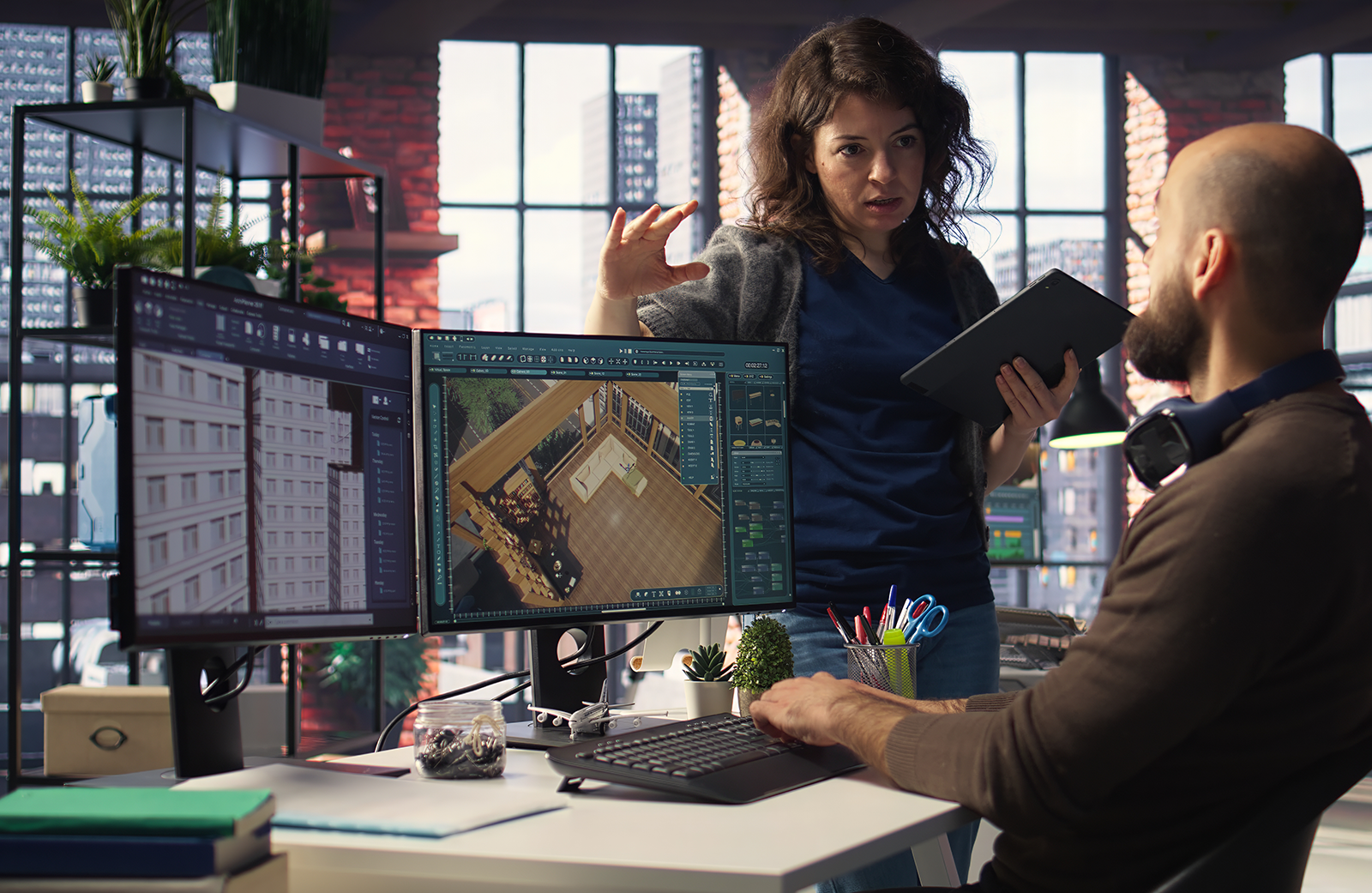
CGI visualisation is not limited to a single image. It can represent a complete environment in a highly detailed way.
A typical CGI visualisation package may include:
- External perspectives illustrating building design and facade
- Internal perspectives depicting interior designs, furniture, and finishes
- Lighting conditions such as daylighting, nighttime, or artificial lighting
- Environment featuring roadways, landscaping, and neighboring buildings
- Surfaces highlighting textures, materials, and reflections
Due to the inclusion of all these components, CGI renderings are very lifelike most of the time. In many instances, CGI renderings can be visually indistinguishable from actual photographs.
Also Read: What is a 3D Architectural Walkthrough
How is CGI rendering done?
Although the outcome appears complex, the workflow follows a structured sequence.
- Design input and planning
The process begins with architectural data such as floor plans, elevations, and sketches. These establish the shape, size, and layout of the building.
- 3D modelling
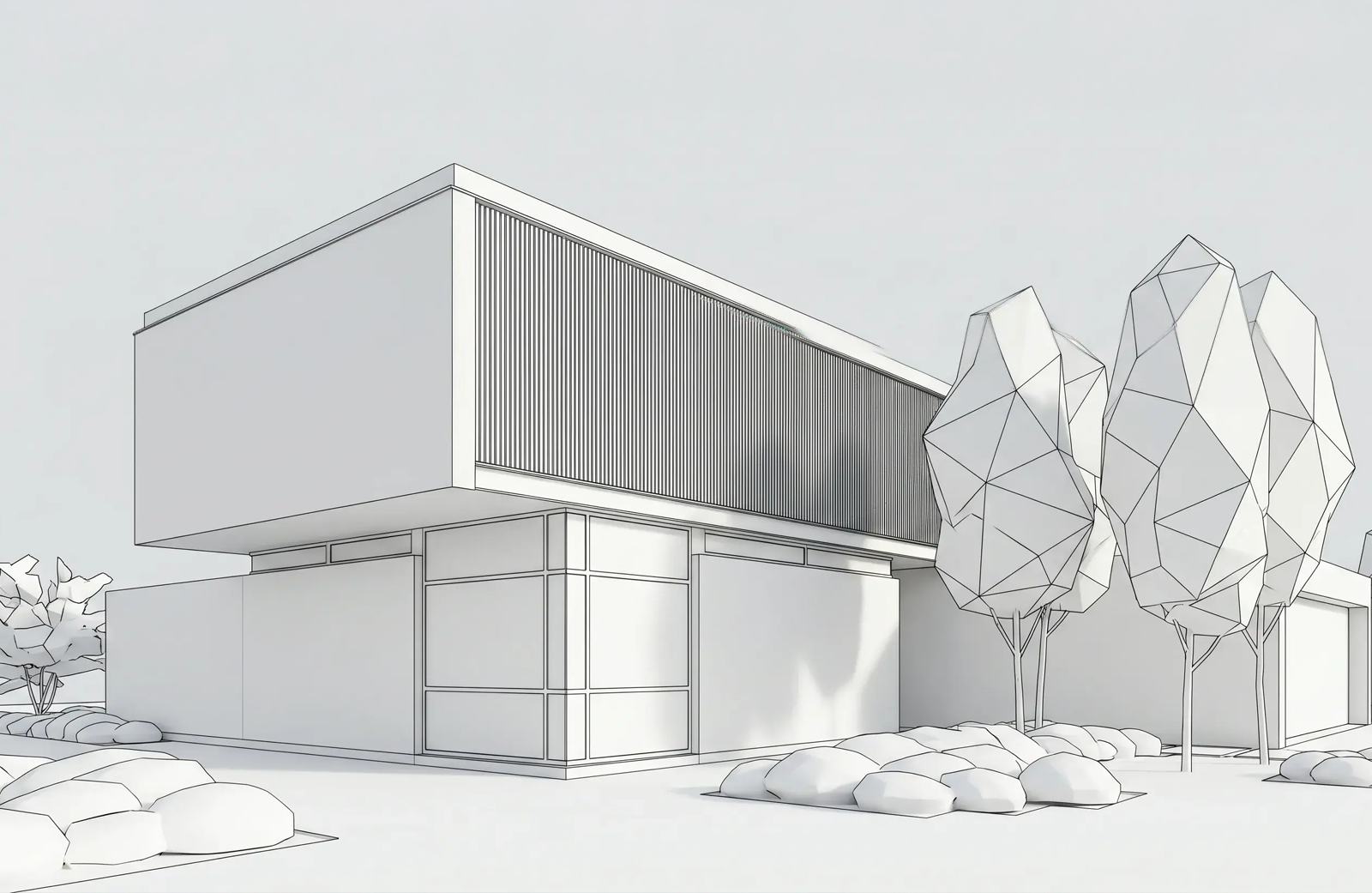
Using this information, a digital 3D model is created. At this stage, the structure is defined, including walls, windows, and roof elements. The model is accurate in proportion but still basic in appearance.
- Materials and textures
Next, materials are applied to different surfaces. Each material behaves differently. Glass reflects, concrete absorbs light, and wood has visible grain.
This step transforms the model from a simple structure into something visually realistic.
- Lighting and environment setup
Lighting is a very crucial element of CGI rendering.
Proper lighting, shadows, and reflection are applied in order to resemble natural settings. In addition, the environmental elements around the image are considered as well.
Through all these elements, the credibility of the image can be established.
- Final rendering
In the final stage, the system processes all inputs and generates a detailed output.
This is where computer generated imagery architecture becomes a finished visual that can be shared and used.

What makes CGI renderings look real?
Not all CGI visuals are equally convincing. The quality of 3d CGI architectural visualisation depends on several factors.
Key elements include:
- Accurate light behaviour and shadow placement
- Realistic material textures and reflections
- Balanced composition and perspective
- Inclusion of natural variation
Interestingly, small imperfections often improve realism. Subtle variations make the image feel more natural and less artificial.
Types of CGI in architecture
CGI is used in different formats depending on project needs. Each type serves a specific purpose.
Exterior CGI Rendering
Exterior CGI focuses on how the building looks from the outside.
These renders show:
- Building façade
- Materials and finishes
- Landscaping and surroundings
The primary reason they are utilised is that they provide a lasting impression.

Interior CGI rendering
Interior CGI renders images depicting interior designs like living rooms, kitchens, and bedrooms.
The images enable the viewer to comprehend:
- Spatial layout
- Furniture placement
- Lighting conditions
- Overall atmosphere
They are particularly useful for homeowners and buyers who want to visualise everyday living within the space.
Aerial CGI views
Aerial renders present a project from above.
They are often used for:
- Large residential developments
- Commercial projects
- Master planning
This has helped gain a greater understanding of how a structure relates to its environment.
Virtual walkthroughs and animation
Unlike static images, CGI walkthroughs give the viewer the ability to navigate a virtual space. They provide:
- A sense of scale and movement
- Better spatial understanding
- Interactive presentation options
This is especially helpful for clients who want a more immersive experience.
Why CGI matters more than ever
The expectations around design presentation have changed.
People now expect to understand a project quickly and clearly before making decisions. This includes clients, buyers, and approval authorities.
Because of this, CGI architecture has become a standard part of the process.
CGI helps:
- Simplify complex designs
- Reduce design errors
- Speed up decision making
- Improve communication across teams
When people can visualise a design clearly, they are more confident in their decisions.
Why CGI matters more than ever
The expectations around design presentation have changed.
People now expect to understand a project quickly and clearly before making decisions. This includes clients, buyers, and approval authorities.
Because of this, CGI architecture has become a standard part of the process.
CGI helps:
- Simplify complex designs
- Reduce design errors
- Speed up decision making
- Improve communication across teams
When people can visualise a design clearly, they are more confident in their decisions.
Is CGI only for large projects?
There is a common assumption that CGI is only used for large scale developments.
In reality, it is widely used across:
- Individual homes
- Renovation projects
- Apartment buildings
- Commercial spaces
Even for smaller projects, visualisation is always an advantage. This will allow one to see problems in the design and avoid making changes during construction.
How is CGI different from photography?
This is actually very straightforward.
Photography involves capturing objects and places that already exist in real life. CGI shows you designs of what can be constructed later.
This is why CGI is more about imagining than capturing the truth.
How accurate is CGI rendering?
This all depends on how accurately the CGI is created.
An accurate render:
- Matches the dimensions of the design
- Represents materials correctly
- True to life lighting techniques
When performed well, it earns trust and enhances decision making. When poorly performed, it may cause misunderstandings or false expectations.
What should one expect from CGI rendering?
When evaluating CGI graphics, one should pay attention to the quality of presentation rather than merely aesthetics. A strong CGI render should:
- Clearly communicate the design
- Maintain correct proportions
- Use realistic lighting and materials
- Provide a natural visual experience
The purpose of CGI is not only to impress but to inform and guide decisions.
Frequently asked questions
What is CGI rendering in architecture?
CGI rendering is the creation of realistic digital images of buildings using computer software before construction begins.
How is CGI rendering different from 3D architectural visualization?
CGI rendering produces final images, while 3D visualisation includes renders, walkthroughs, and interactive design formats.
How much does architectural CGI rendering cost?
Costs vary from a few hundred to several thousand dollars based on complexity and level of detail.
Why do real estate developers use CGI renderings?
They use CGI to market projects, attract buyers, and show designs clearly before construction.
What software is used for CGI architecture?
Common tools include 3ds Max, SketchUp, Blender, V‑Ray, and Lumion.
Conclusion
Architectural CGI is not only a means to create impressive visuals; it is also an effective communication tool.
Through the creation of a realistic image, architectural CGI aids in the understanding of what is to be constructed, what it would look like, and what it would feel like.
In short, architectural CGI is not only for impressing others with impressive visuals.
It is for making ideas clear and understandable.