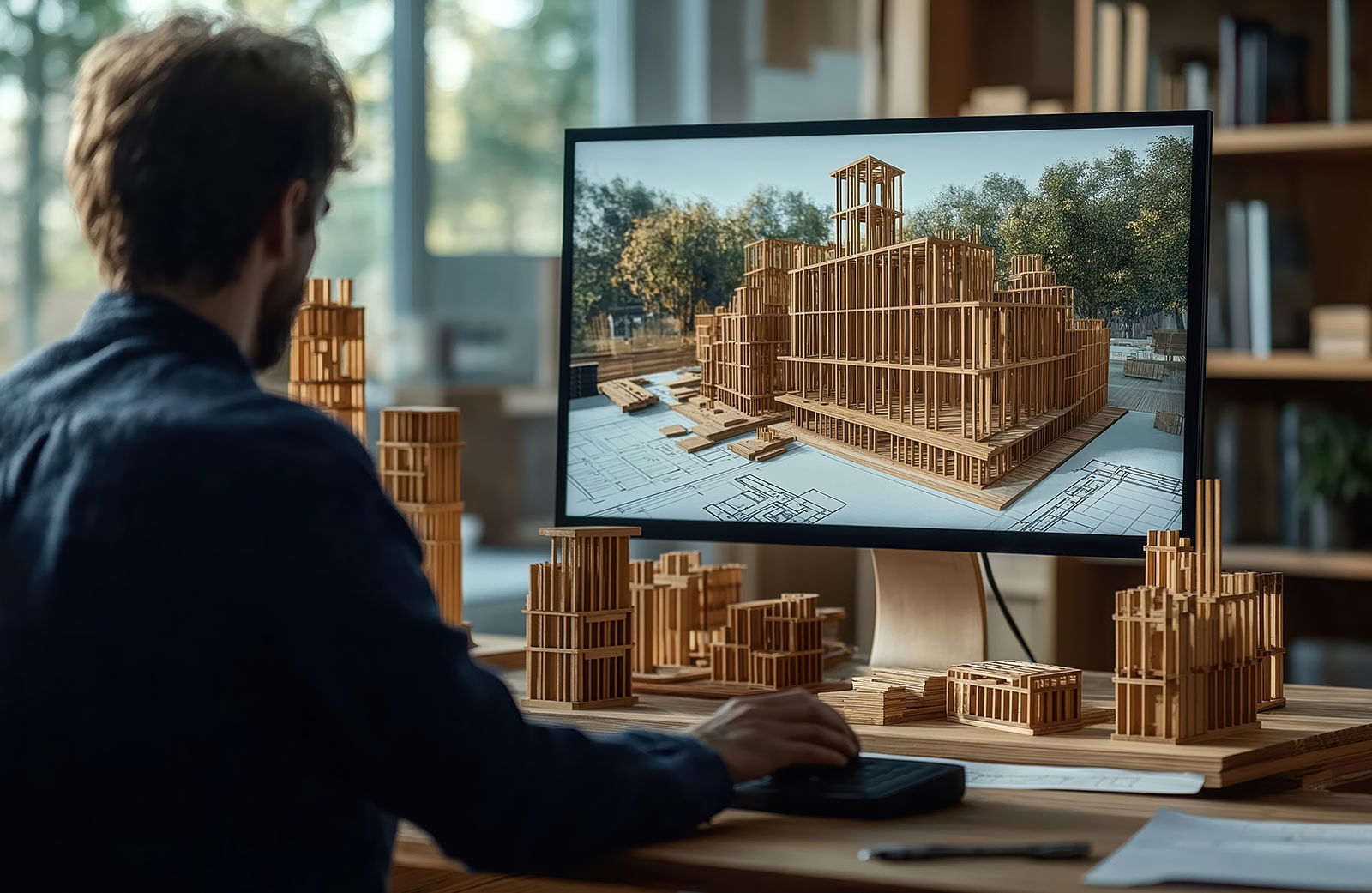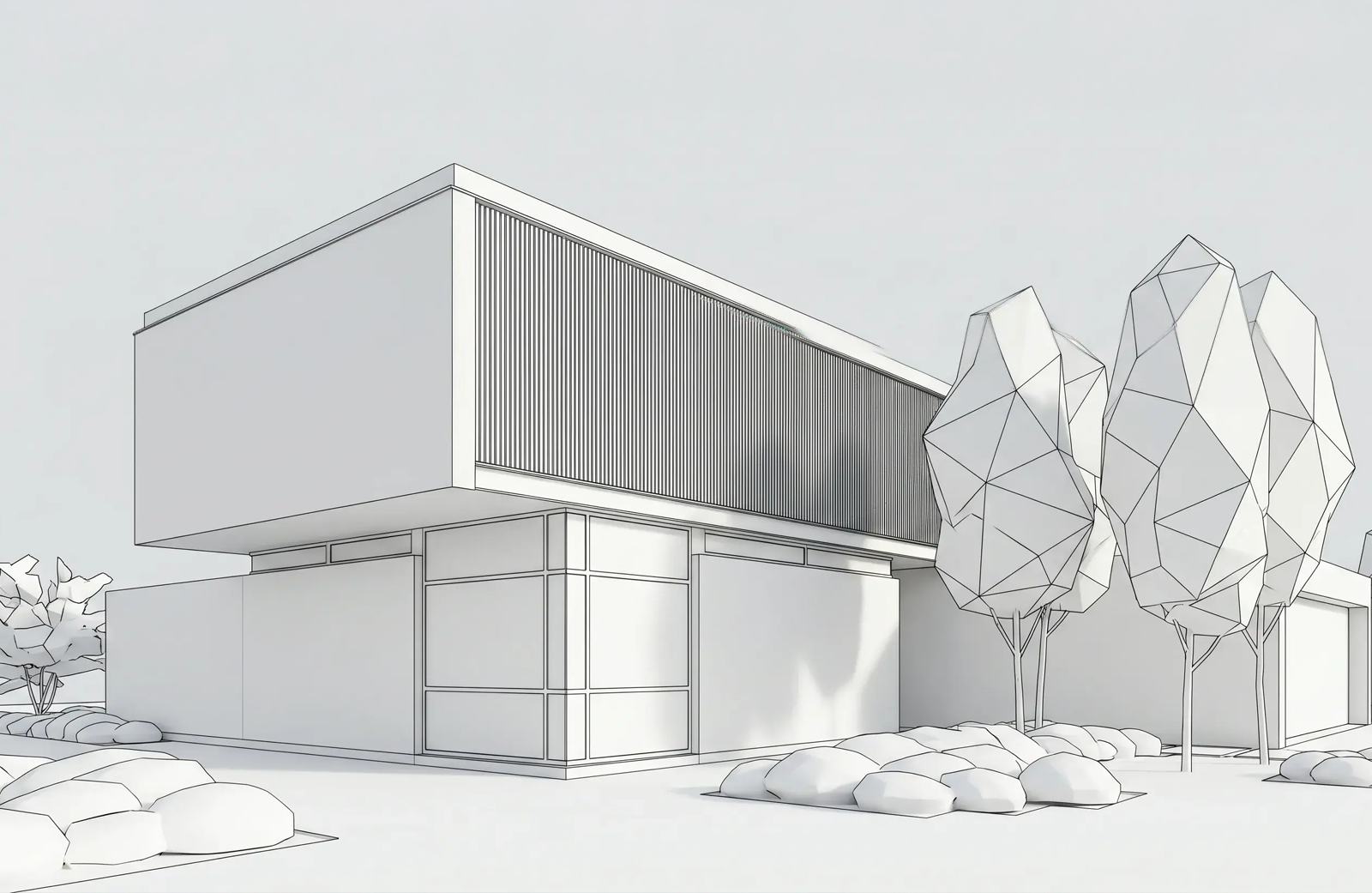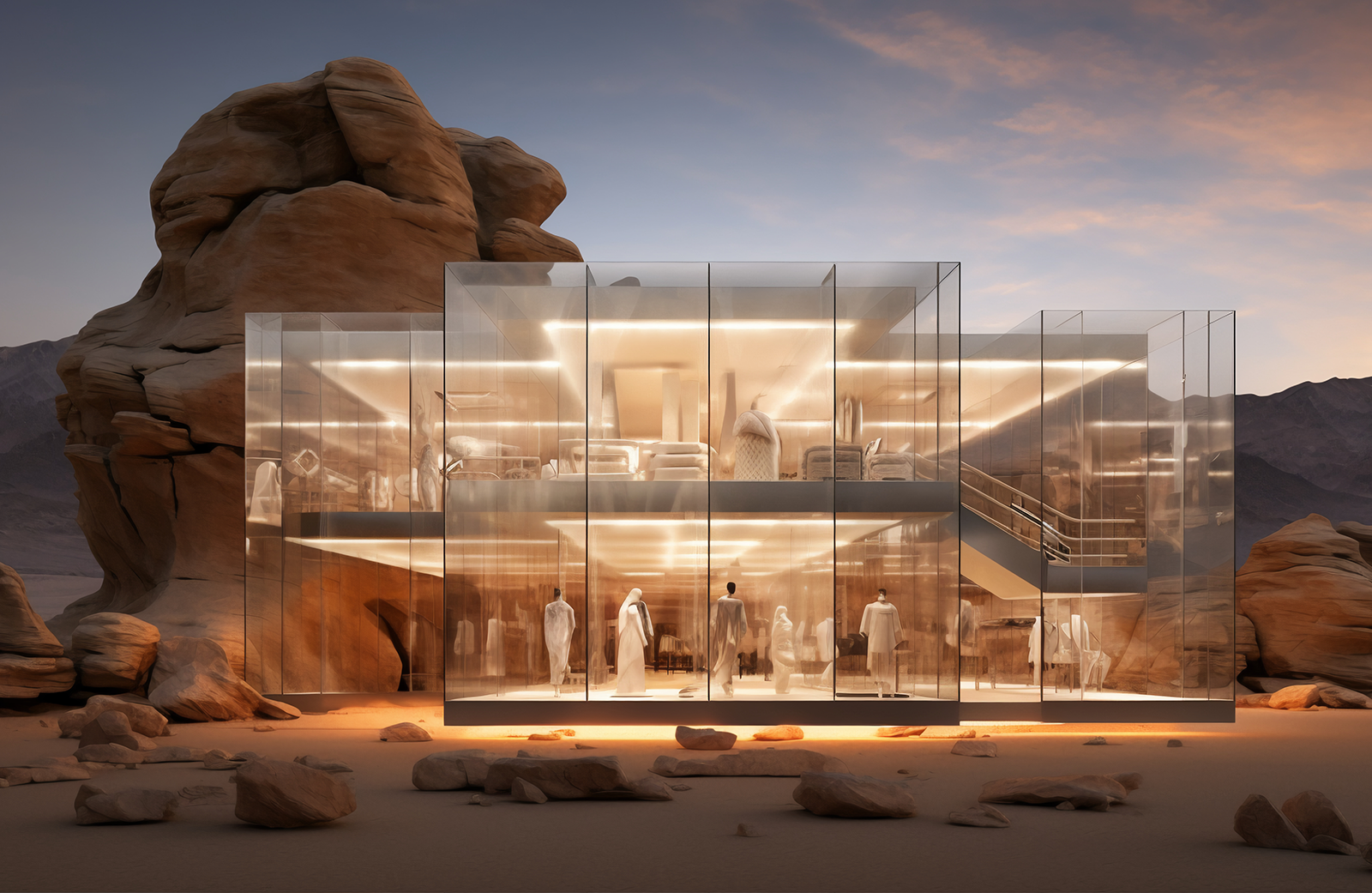


Images like still renderings and floor plans would enable people to have a preview of what the design would look like after completion. But it would fail to provide the same experience in moving within the building and thus could lead to misunderstanding and other related issues.
One possible way of overcoming this challenge is through the use of 3D architectural walkthrough. This would give the viewer a virtual experience of the design and the way they should work together.
The current paper gives the definition of 3D architectural walkthrough. It also highlights how a 3D architectural walkthrough operates and why it is significant in architecture.
What is a 3D architectural walkthrough?
By 3D architectural walkthrough we refer to the virtual walkthrough of a building or the space that does not exist physically in reality. In contrary to other architectural visualisations, 3D architectural visualisation does not offer the static view of the design. Instead
The process typically includes:
- Creating a 3D model based on architectural plans
- Applying realistic materials and textures
- Setting lighting conditions for accuracy
- Defining camera paths for smooth navigation
- Rendering the sequence into a video or interactive format
Each stage focuses on making the experience natural, clear, and easy to follow.
Why 3D walkthroughs are important
Architectural projects often involve people with different levels of technical understanding. While drawings and images explain design, they do not always communicate experience.
A 3d rendering walkthrough improves this by:
- Making designs easier to understand
- Reducing confusion during discussions
- Supporting faster decision making
- Building confidence in the project
When people can see and experience a design, they are able to make more informed decisions.
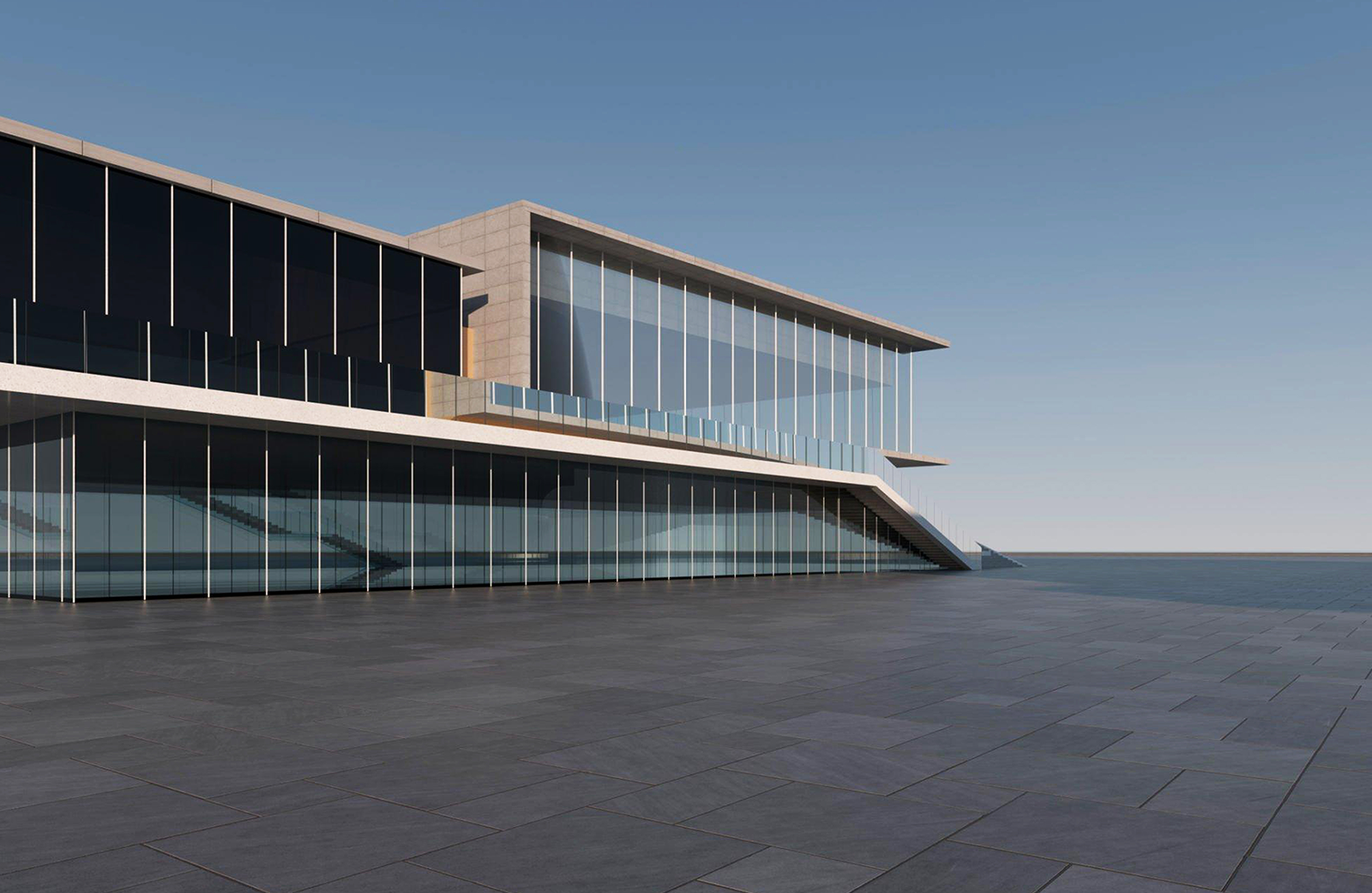
Better visual communication
Clear communication is essential in any design project.
With a 3d architectural walkthrough, designers can visually demonstrate:
- Entry points and movement flow
- How spaces connect with each other
- Depth, scale, and layout relationships
This ensures that no unnecessary explanations have to be provided, making sure all people are aware of what the same design looks like.
Greater impact through presentations
One thing that has always been important in the approval process and client decision making is the presentation. While static graphics can work just fine, they may be somewhat lacking when it comes to engagement.
A walkthrough, on the other hand, increases engagement and comprehension levels.
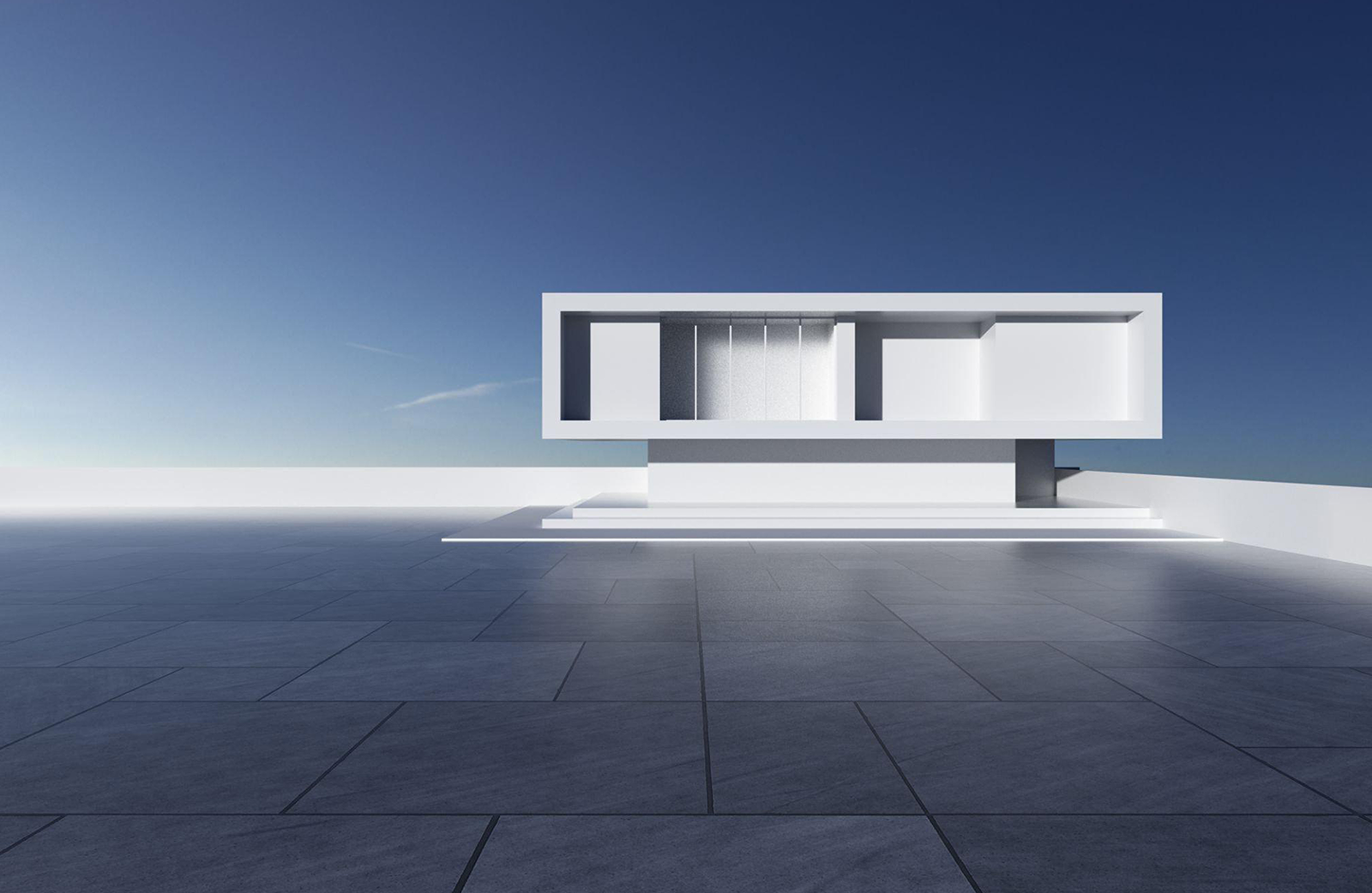
Realistic understanding of space
Understanding space requires more than viewing individual rooms. It involves seeing how those rooms function together.
A 3d walkthrough helps communicate:
- Movement between spaces
- Spatial relationships
- Scale and proportions
- Lighting transitions
This creates a complete picture of how the design will work in real life.
Improved client confidence
Uncertainty often leads to delays in design approval.
When clients are not fully confident in what they are seeing, they tend to hesitate. A walkthrough reduces this uncertainty by presenting the design in a realistic and familiar way.
This leads to:
- Higher confidence in decisions
- More accurate feedback
- Fewer revisions later
With better clarity, projects move forward more efficiently.
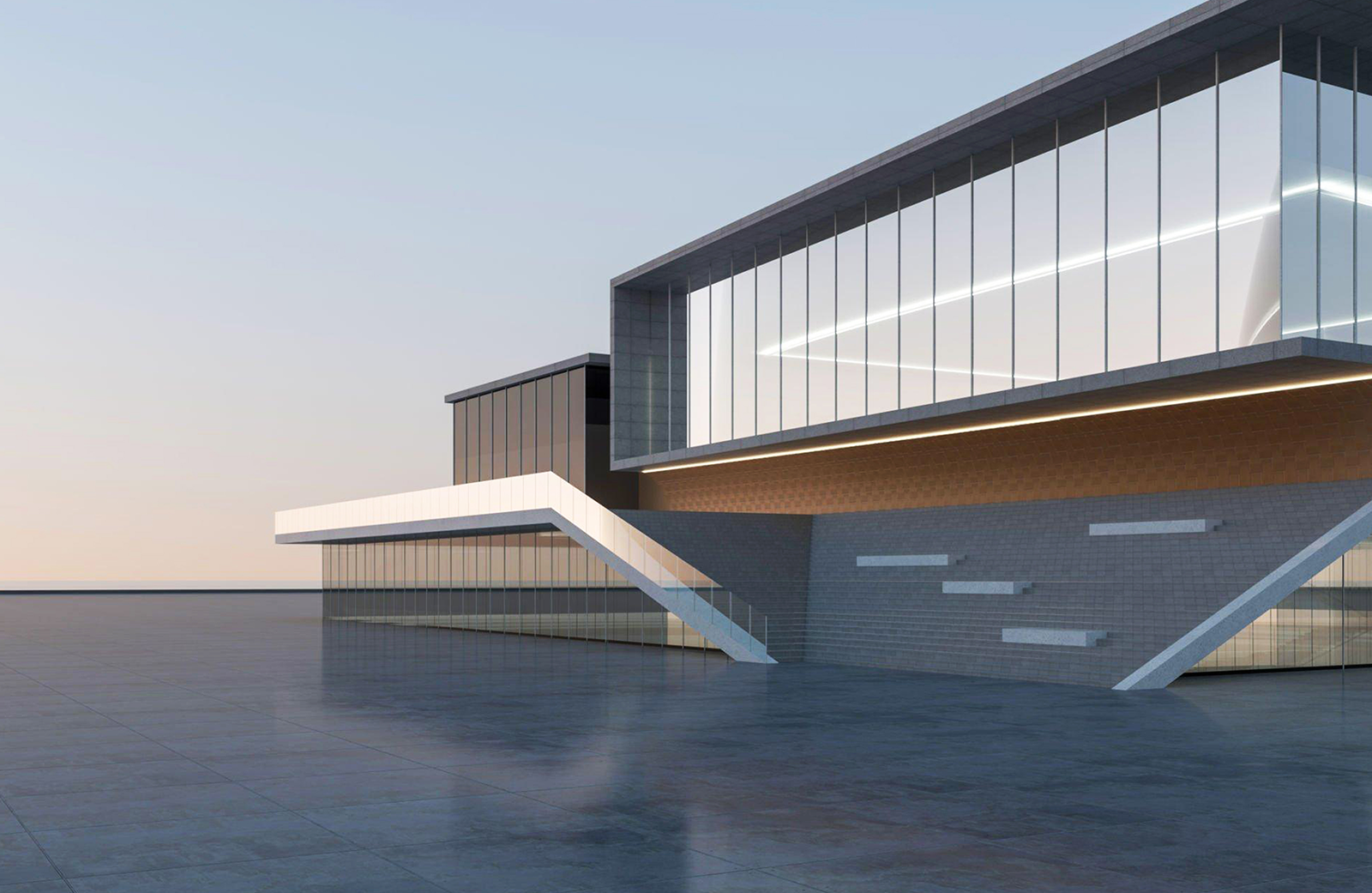
Useful across different types of projects
3D walkthroughs are used across a wide range of projects, not just large developments.
They are valuable for:
- Residential homes and apartments
- Commercial buildings and office spaces
- Real estate marketing
- Interior design projects
Even smaller projects benefit from better visual understanding and clear communication.
Choosing the right 3D architectural walkthrough company
Success in the development of an effective walkthrough relies heavily on the manner in which the process is handled.
Key attributes that one ought to consider when selecting an efficient 3D architectural walkthrough service provider include:
- A strong and consistent portfolio
- Realistic lighting and material quality
- Smooth and natural camera movement
- Clear understanding of the project requirements
A good walkthrough should feel intuitive and easy to follow.
Common mistakes to avoid
A poorly executed walkthrough can create confusion instead of clarity.
Common issues include:
- Unnatural or overly fast camera movement
- Inconsistent lighting throughout scenes
- Lack of detail in materials and surroundings
- Overuse of effects that distract from the design
- Weak transitions between spaces
Avoiding these mistakes ensures the walkthrough enhances the design rather than taking away from it.
The future of 3D architectural walkthroughs
The development in technology has led to a rise in advanced and interactive walkthroughs.
Software tools that support real time rendering, virtual reality, and interactive navigation systems are now providing freedom of movement within the environment instead of following a predefined route.
As expectations increase, walkthroughs are gradually turning into an essential component in design presentation.
Frequently asked questions
What is a 3D architectural walkthrough?
A 3D architectural walkthrough is a video or interactive visual that lets viewers explore a space before it is built.
How is a 3D walkthrough different from a 3D render?
A 3D render is a static image, while a walkthrough shows movement and simulates a real experience of the space.
How much does a 3D architectural walkthrough cost?
Costs vary based on project size and detail, ranging from basic visuals to high end animated walkthroughs.
Why do developers use 3D walkthroughs?
They use them to present designs clearly, improve marketing, and help clients understand the space better.
How do I choose the right 3D architectural walkthrough company?
Look for a strong portfolio, realistic visuals, smooth animation, and clear understanding of design goals.
Conclusion
An architectural walkthrough in 3D is far more than a simple visualisation tool. It provides a means for effective communication in order to ensure that designs are understood.
It facilitates comprehension of both functionality and the overall feel of the design so that everyone involved is better able to make decisions. In the final analysis, an architectural walkthrough is not simply an illustration.
It is a tool through which people can truly come to understand a design before its construction.