
Envision yourself being inside a structure that doesn’t even exist. You can walk through the living room of the structure, gaze out the window, turn corners, and visualise the entire building as if it already existed.
This is the purpose of a VR walkthrough.
By 2026, this technology is not considered to be future. On the contrary, it is real, easily available, and becoming increasingly important in architectural projects.
The VR walkthrough is revolutionising architecture through its ability to design, assess, evaluate, and even sell buildings. This article discusses the VR walkthroughs from an architectural perspective.
What is a virtual reality walkthrough in architecture?
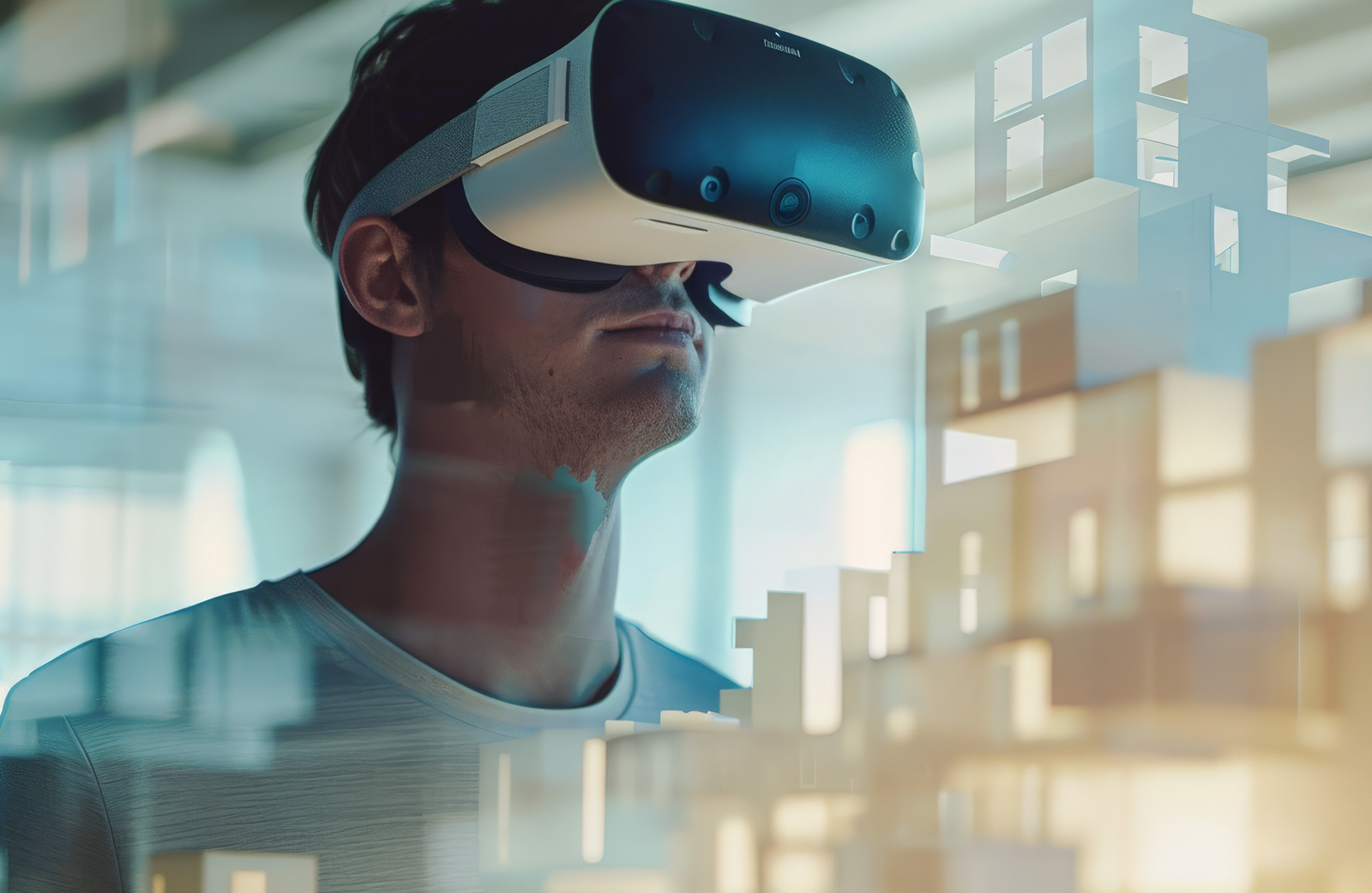
The virtual reality walkthrough can be defined as a process where a person explores the building through the use of virtual reality technology. A virtual reality walkthrough differs from other architectural visuals because it simulates being inside the space rather than viewing it from fixed angles.
The VR walkthrough of a building design is generated by creating a 3D architectural visualisation of the building, which is embedded in a virtual world.
To keep it very simple:
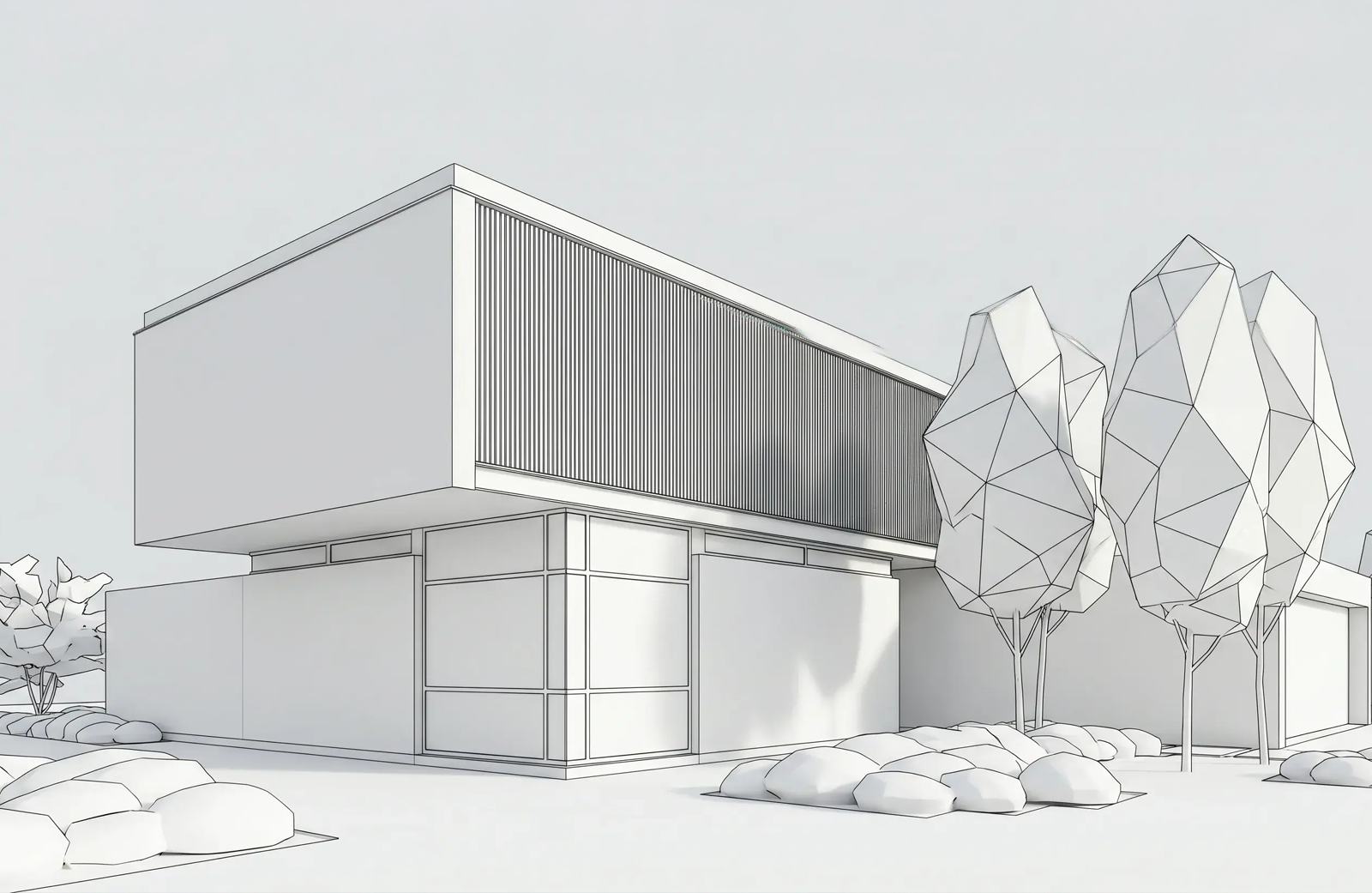
- 3D images show the design
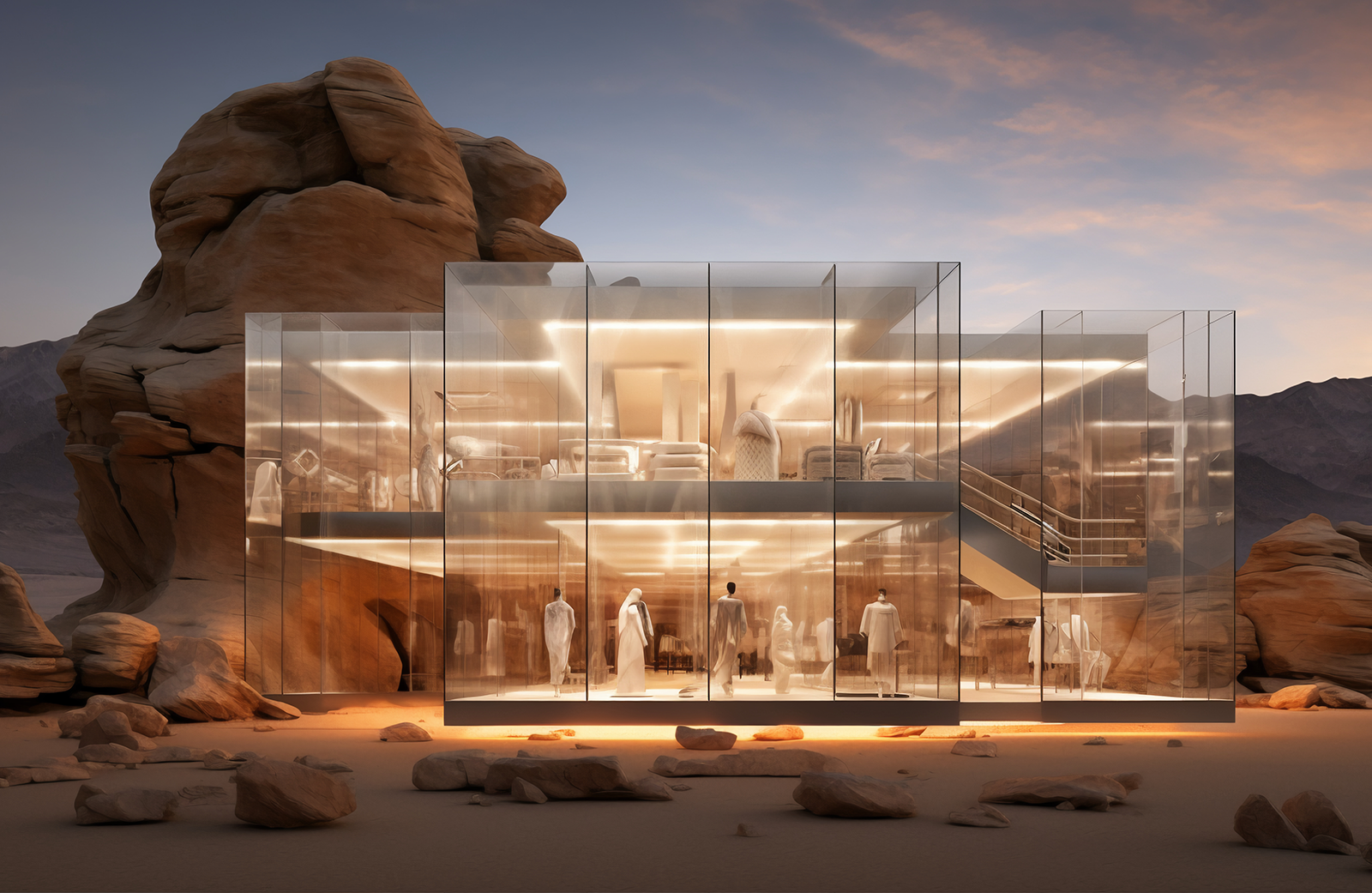
- VR walkthroughs let you experience the design
This is why they are so effective.
How a VR architectural walkthrough works
While the technical processes required to develop a virtual walkthrough may seem complex, the idea behind its operation is very straightforward.
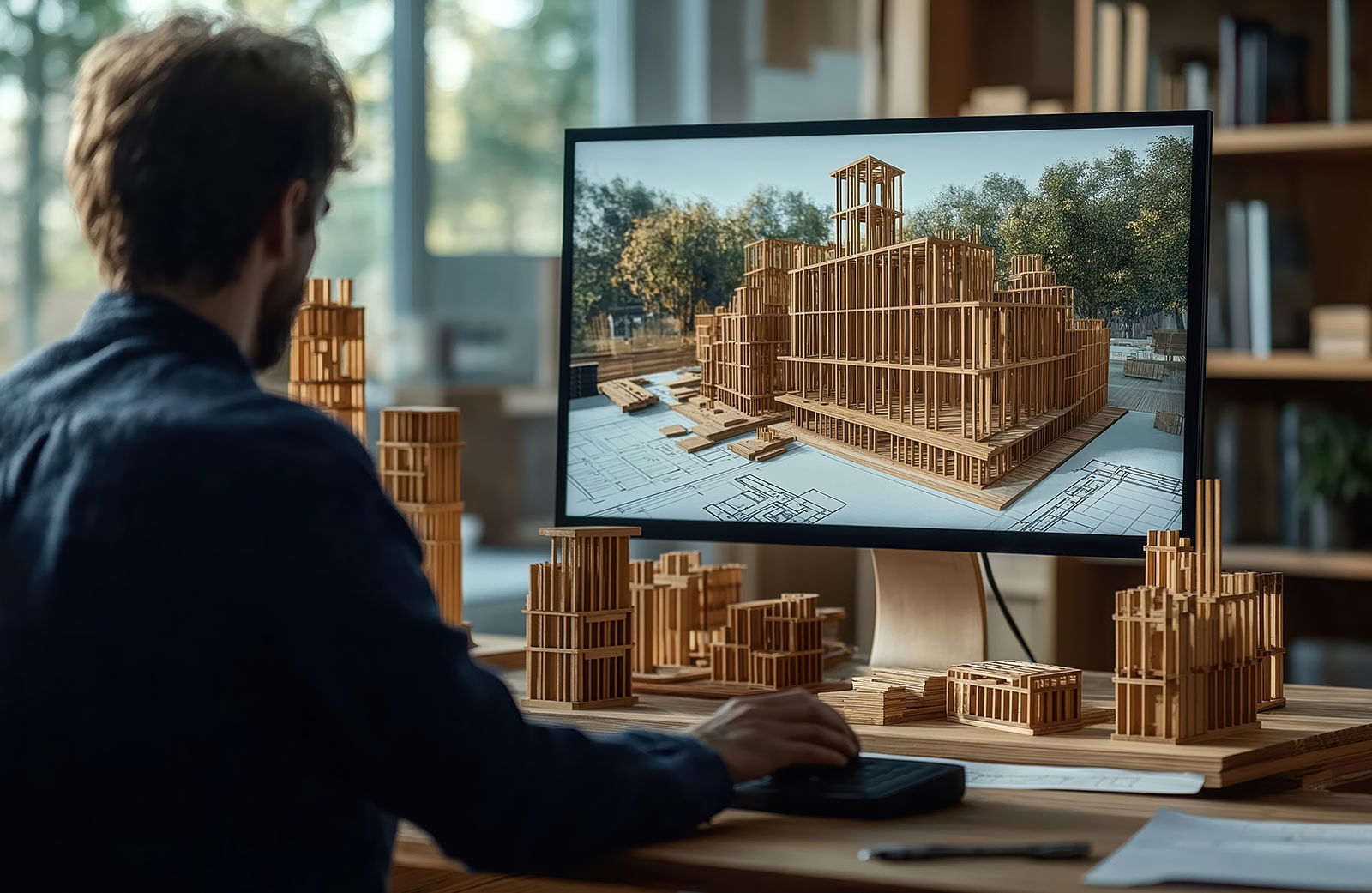
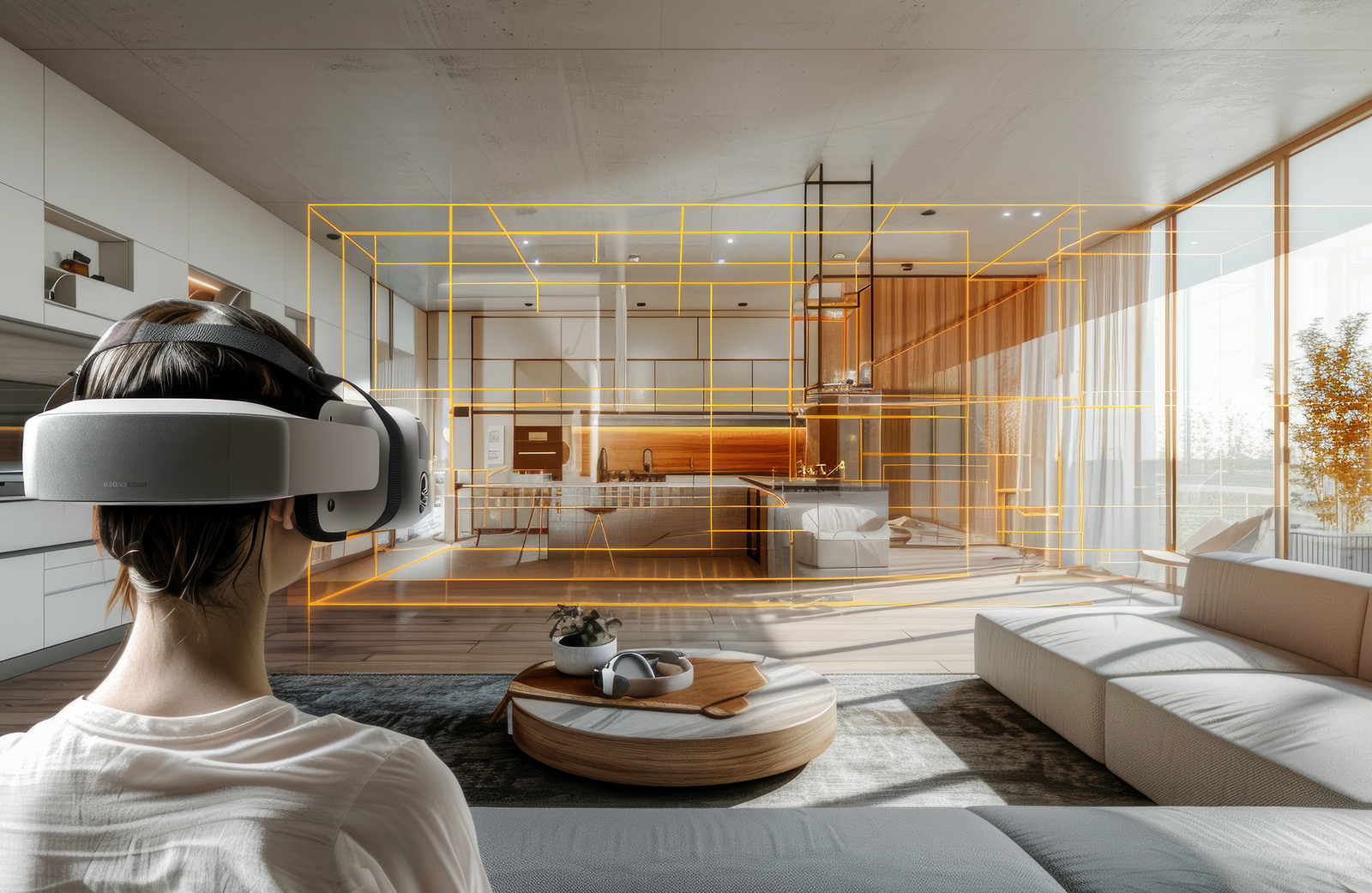
The process begins with architects or designers creating project plans. These plans are then used to build an accurate 3D model of the design.
In the last stage, it becomes important to transform the 3D model into an environment of virtual reality, where the light source, paths, and viewpoints are set up.
Finally, the user experiences the walkthrough using:
- A VR headset
- A screen with mouse controls
- Or even a mobile device, depending on the setup
The result is a smooth and realistic architectural VR walkthrough that feels – intuitive and easy to understand.
Why VR walkthroughs matter in architecture today
Technical drawings serve their purpose efficiently; however, it becomes difficult for human beings to visualise spaces using technical drawings.
The reason behind such convenience of visualisation lies in Virtual Reality, as it becomes as simple as viewing something. Therefore, Virtual Reality is required/need/must in the field of architecture.
Also Read: Photorealistic Architectural Rendering
Benefits of VR walkthroughs for different users
For homeowners and buyers
A VR house walkthrough helps buyers understand:
- Room sizes
- Ceiling heights
- Views and natural light
- Layout flow
This is especially useful for off-plan homes. Buyers can explore the house before construction starts, which builds confidence and reduces hesitation.
Seeing a space is good. Experiencing it is better.
For architects and designers
Architectural VR walkthroughs help designers check:
- Proportions that feel right or wrong
- Circulation through spaces
- How light behaves at different times
Design issues often only become clear when someone can walk through a space. VR helps spot these issues early, when changes are easier and cheaper to make.
For developers and agents
VR walk-throughs for marketing purposes are very effective.
As opposed to describing the layout or making promises, the end product is shown to the potential customer right away. This cuts the sales cycle and builds trust.
In addition, 3D VR walk-throughs perform very well online.
For councils and stakeholders
Approvals often slow down because designs are misunderstood.
VR walkthroughs make proposals clearer. Councils can assess scale, impact, and context easily. Stakeholders can give feedback without confusion.
Clear visuals lead to clearer decisions.
VR walkthrough vs traditional 3D renders
It helps to understand the difference.
- 3D renders are still images from fixed angles
- VR walkthroughs allow free movement inside the design
Both have uses. Still images are great for marketing material and presentations. VR walkthroughs are better for understanding space, scale, and flow.
In many projects, both are used together.
Where VR walkthroughs are used most
VR walkthroughs are commonly used in:
- Residential homes and apartments
- Large housing developments
- Commercial buildings
- Interior design projects
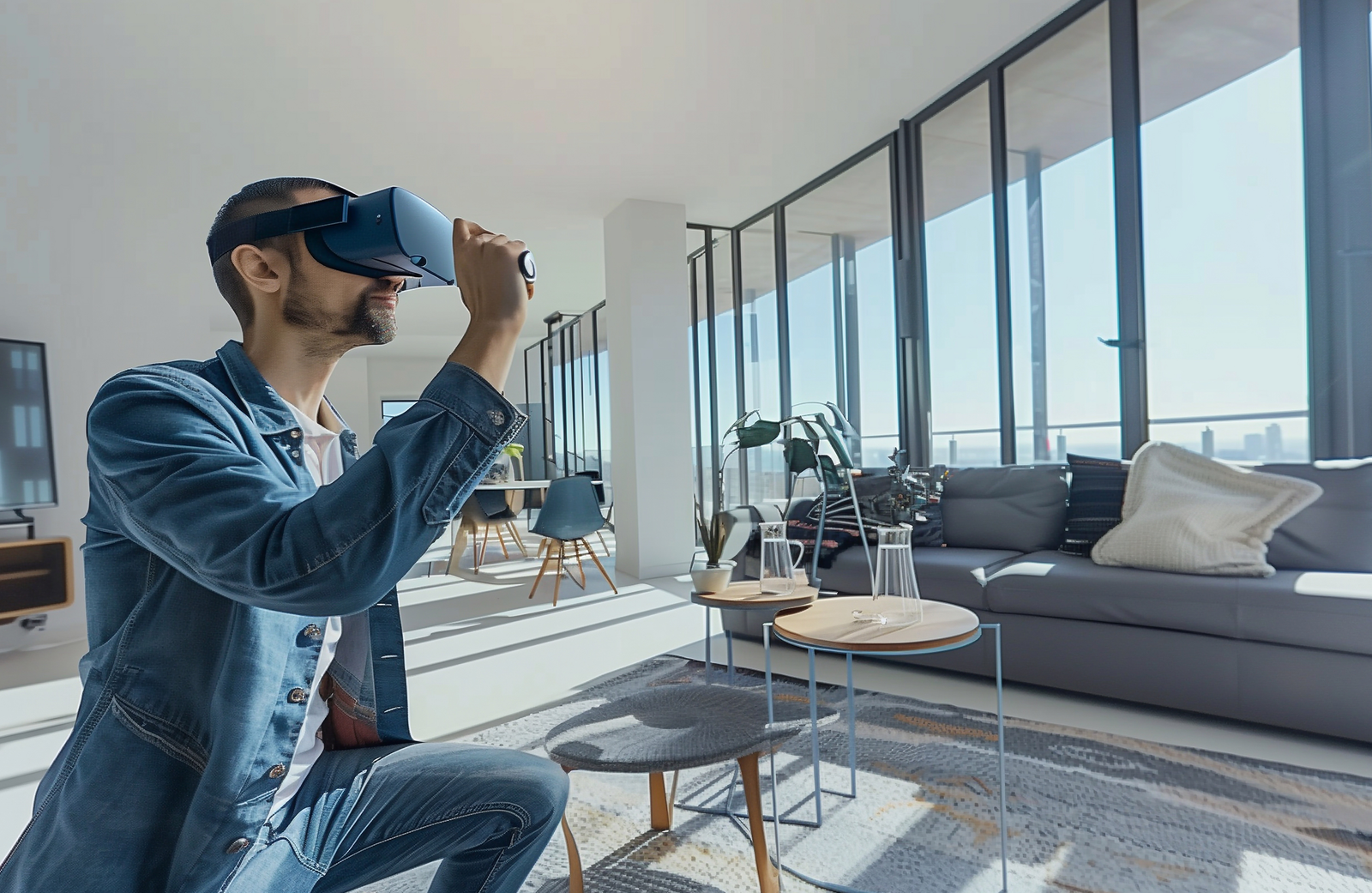
The rise of VR house walkthrough experiences has been especially strong in residential architecture, where buyers want emotional connection as well as clarity.
What makes a good architectural VR walkthrough?
Not all VR experiences are equal.
A good architectural VR walkthrough should:
- Move smoothly without causing discomfort
- Show realistic lighting and materials
- Feel natural and easy to navigate
- Match the actual design closely
This quality depends on the underlying 3D architectural visualisation. Good VR starts with a good 3D model.
The future of VR walkthroughs in architecture
Looking ahead, VR walkthroughs will become more interactive. Users will be able to:
- Change materials
- Adjust lighting
- Compare design options in real time
This will turn VR into not just a viewing tool, but a decision-making tool.
As expectations grow, architectural VR walkthroughs will become standard practice rather than a special feature.
FAQs
What is the biggest trend in architectural visualisation for 2026?
The biggest trend is immersive visualisation, including VR, real-time rendering, and interactive experiences that allow users to explore spaces before construction.
How does 3D rendering help in sustainable architecture?
3D rendering supports sustainability by simulating lighting, ventilation, and materials, helping architects optimise energy efficiency and reduce environmental impact early in design.
Is VR rendering expensive for small projects?
VR rendering can be more expensive initially, but scalable tools and WebXR solutions have made it increasingly accessible for small and mid-sized projects.
How do I choose the right architectural visualisation studio?
Choose a studio based on portfolio quality, industry experience, turnaround time, communication clarity, and ability to understand your project goals and local market needs.
Should we prioritise static photorealistic renders or interactive walkthroughs?
Use both strategically. Static renders capture attention quickly, while interactive walkthroughs build deeper understanding and engagement, especially for complex or off-the-plan projects.
What architectural visualisation trends matter most for residential projects?
Key trends include lifestyle-focused rendering, photorealism, interactive walkthroughs, and context-driven visuals that show how homes fit into real environments and daily living.
Conclusion
The concept of a VR walkthrough transforms the perception of architecture. Speculations are replaced by experiences and descriptions by exploration.
Regardless of whether it is a basic 3D VR walkthrough or an advanced VR house walkthrough, the result will be the same. The comprehension of architectural designs improves when one can explore them.
In 2026, architecture is not just illustrated or visualised; it becomes an experience. This is precisely what makes VR walkthroughs the future of architectural visualisation.