
Before building a structure, one should believe that it exists. Not through sketches and models but in reality, a structure that can be seen and understood.
This is where photorealistic rendering becomes relevant.
The age of presenting architectural designs is long gone. The designs now must be convincing, accurate, and believable long before any construction takes place. In essence, good photorealistic architectural rendering means more than just depicting the structure in question. What it means is having the viewer see himself within the space.
And this is what makes concepts come to life as decisions.
The following is an outline of the photorealistic architectural rendering process and how it can be effectively achieved.
What is photorealistic architectural rendering?
The concept of photorealistic rendering involves the creation of 3D visuals that look almost like real photos. The goal is for such imagery to convey the details of structures in their actual environment.
While normal 3D rendering concentrates on creating visuals of a structural kind, photorealistic 3D rendering is concerned more about the way something is perceived.
This involves careful attention to:
- Lighting behaviour
- Materials and textures
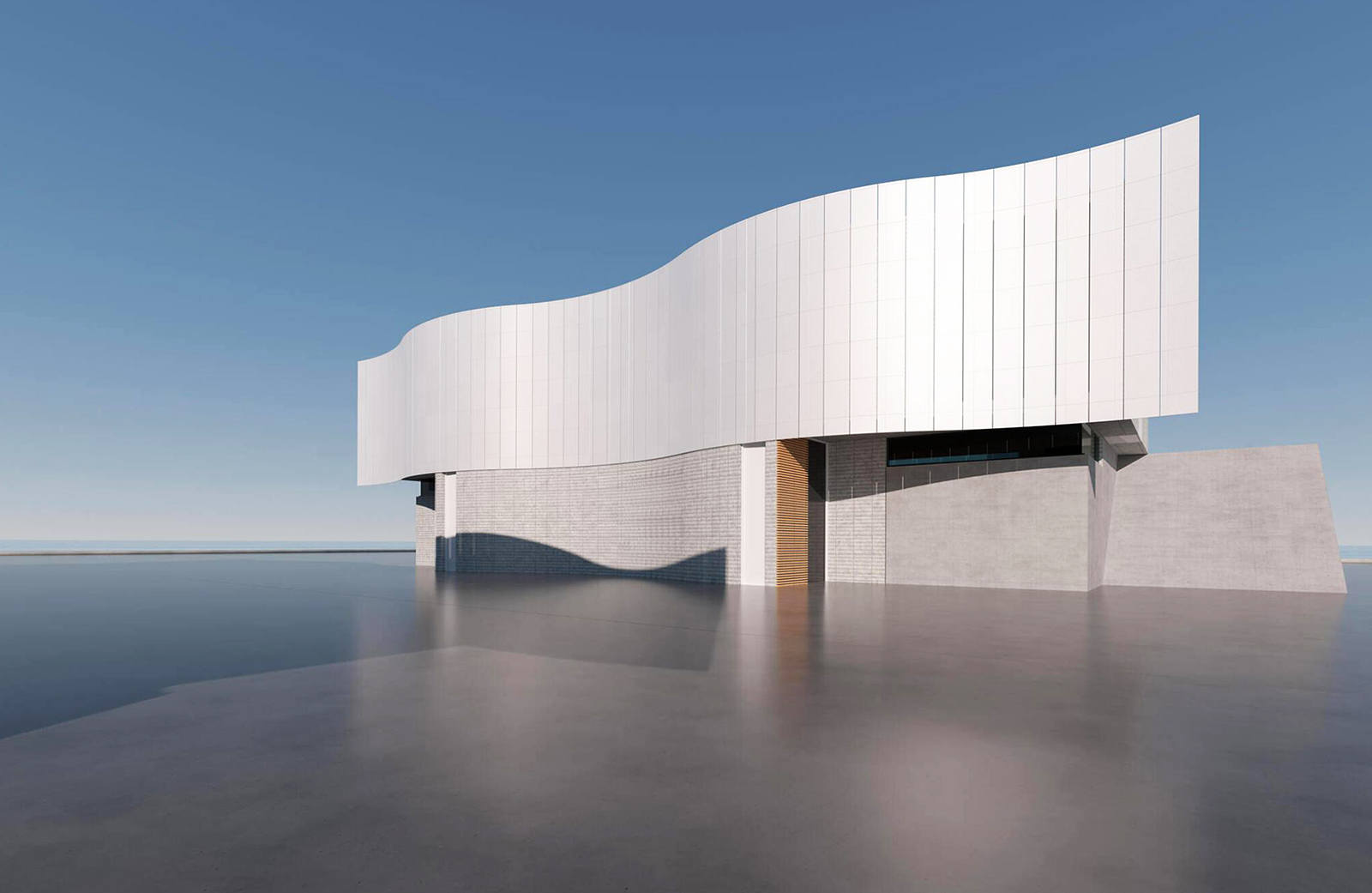
- Natural reflections and shadows
- Camera angles and composition
The goal is not just accuracy. The goal is believability.
Why photorealistic rendering matters in architecture
Architectural decisions are often visual. Clients, developers, and stakeholders rely on what they see to make decisions. If the visual does not reflect reality convincingly, confidence drops.
Photorealistic rendering improves this by:
- Making designs easy to understand
- Creating stronger first impressions
- Supporting faster approvals
- Reducing uncertainty in decision making
When a photorealistic render looks natural, people trust it more. That trust directly impacts how quickly a project moves forward.
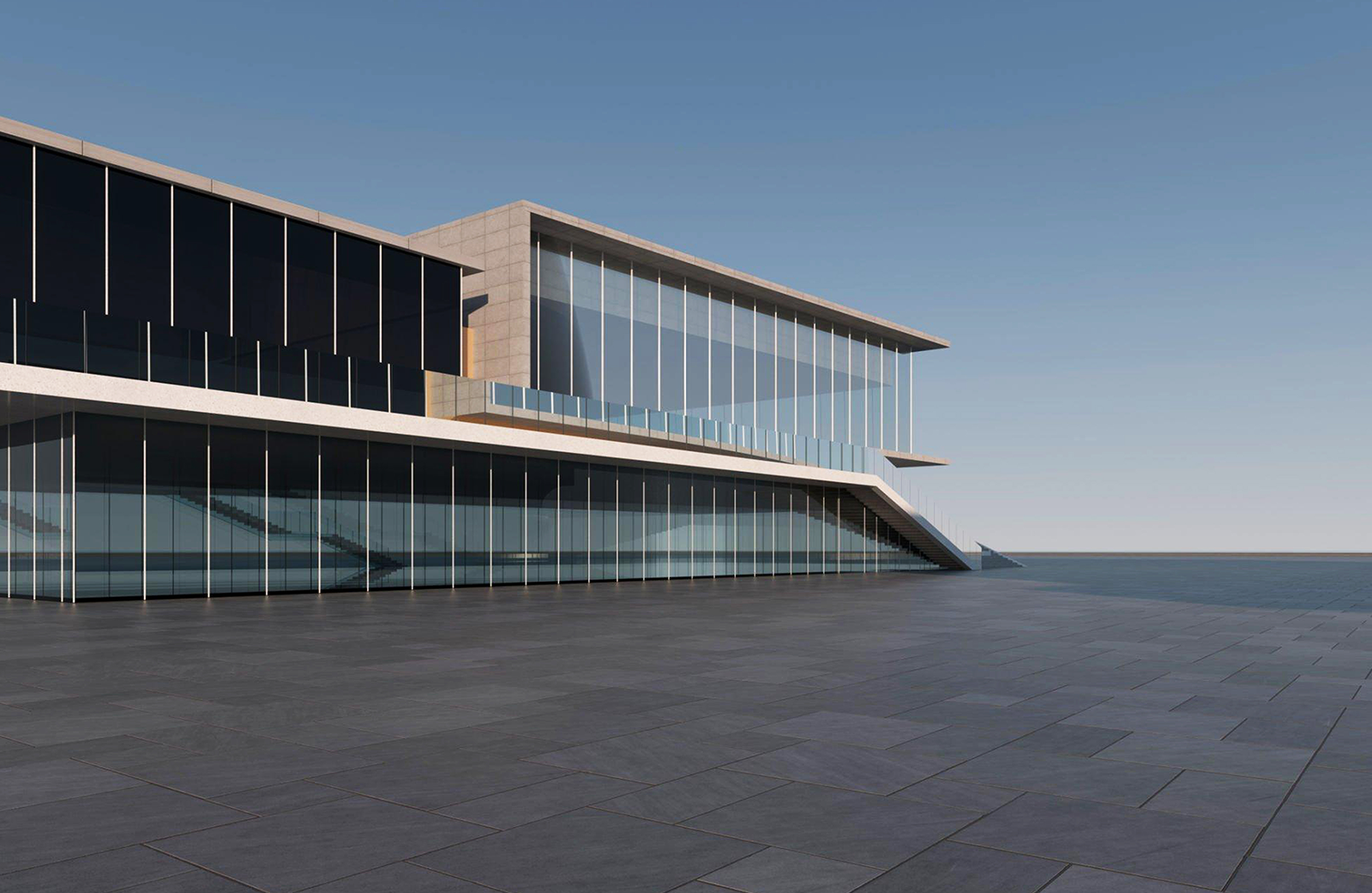
Key elements that make a render photorealistic
Not all renders achieve the same level of realism. The difference comes down to how well certain elements are executed.
Lighting
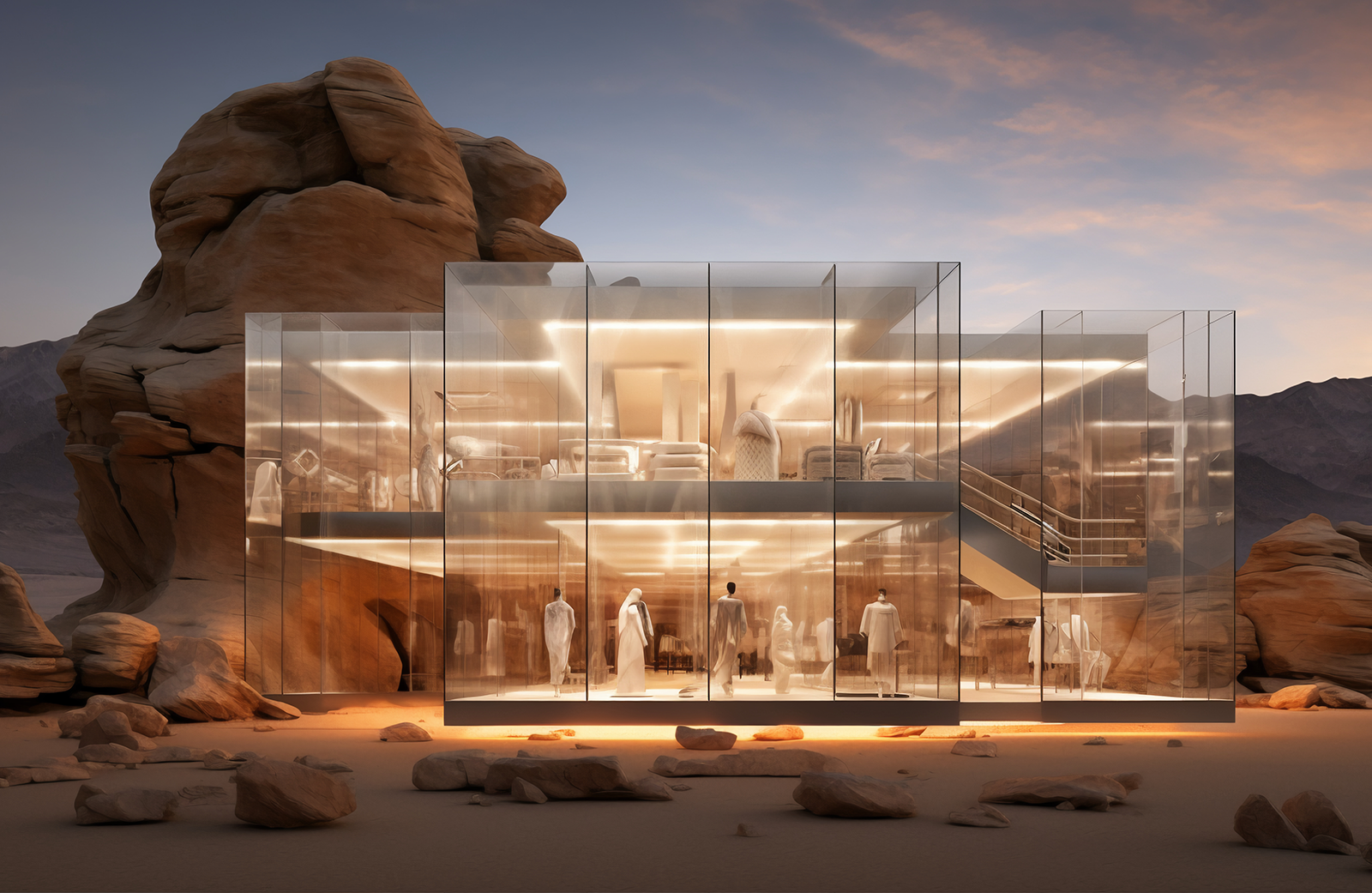
The essential component in all rendering processes is lighting. Lighting gives the atmosphere and adds to the realism of the model by replicating the natural light in terms of direction, intensity, diffused quality, etc. The proper lighting process should ensure that the scene is harmonious without being either too light or too dark.
Materials and Textures
Materials should behave in accordance with reality. The wood needs to show its grain, the glass its reflections and refractions, and metal its reflective nature.
The photorealistic rendering procedure requires good textures of all materials used to create the scene.
Scale and Proportioning
It is essential to have the right proportions of all elements in the scene because otherwise, the illusion of unreal scenes will appear. The human figures, furniture, and other things need to be balanced.
Imperfections
Nature itself is imperfect, and therefore, some imperfections, such as damage, reflections, and variations, may give a realistic feel to the render.
Best practices for photorealistic architectural rendering
Creating realistic visuals is not just about using the right software. It requires a structured approach.
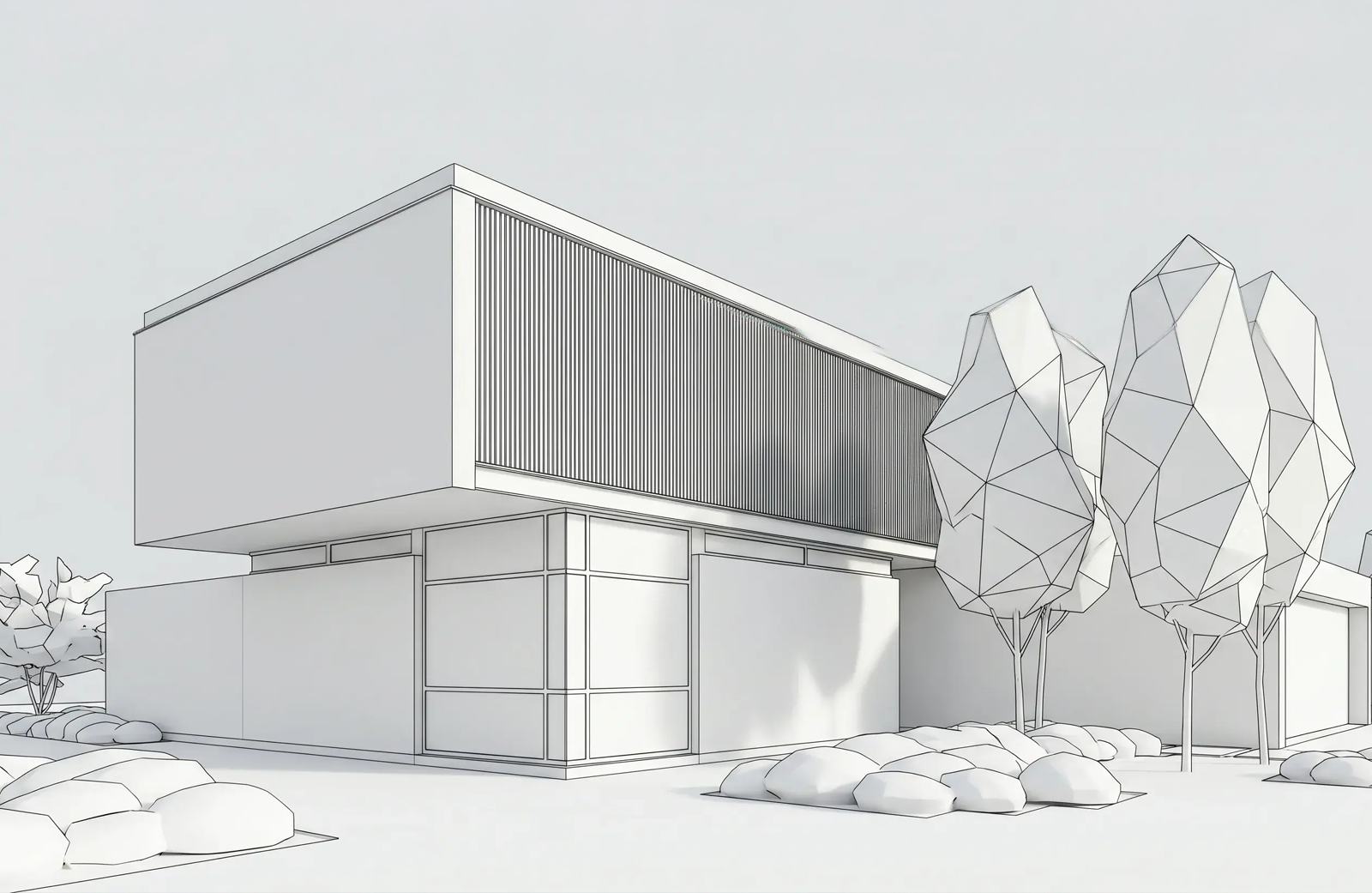
Start with accurate modelling
A strong render begins with a precise 3D model. All dimensions, alignments, and structures must be accurate from the start. If the base model is flawed, even the best rendering techniques will not fix it.
Focus on lighting first
Lighting should be established early in the process. It influences how materials appear and how the overall scene feels. Work with natural light conditions before adding artificial lighting.
Use high quality textures
Low resolution or flat textures reduce realism instantly. High quality materials should include depth, variation, and proper surface mapping.
Balance composition
A good render is not only technical but also visual. Pay attention to camera angle, framing, depth, and perspective. These elements guide how the viewer experiences the design.
Avoid over processing
Over editing can reduce realism. Excessive contrast, unnatural colours, or overly sharp details make the image feel artificial. The goal is to keep the render natural.
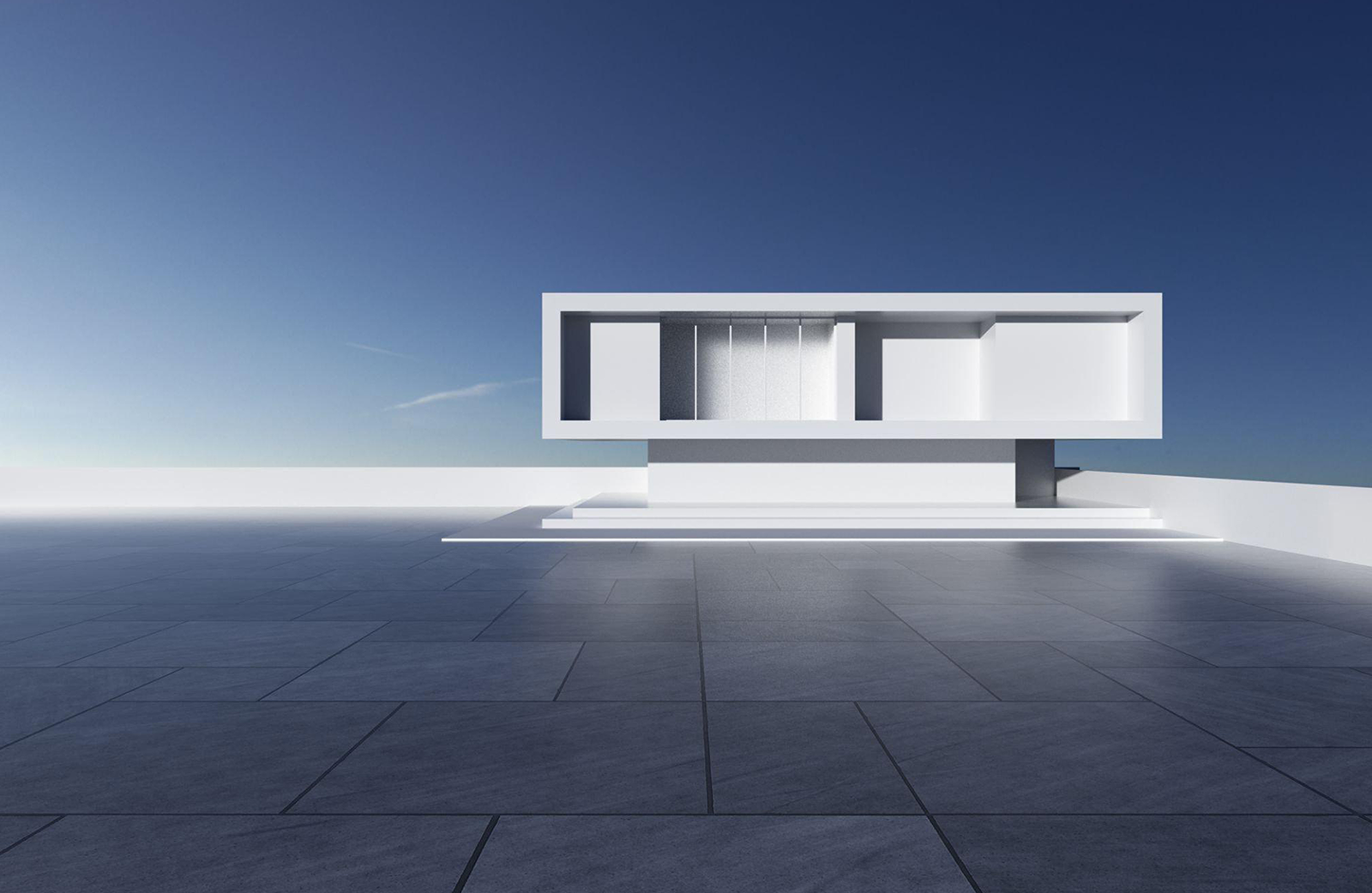
Tools used for photorealistic rendering
Modern rendering relies on a combination of tools, each playing a specific role in the workflow.
Typical tools include:
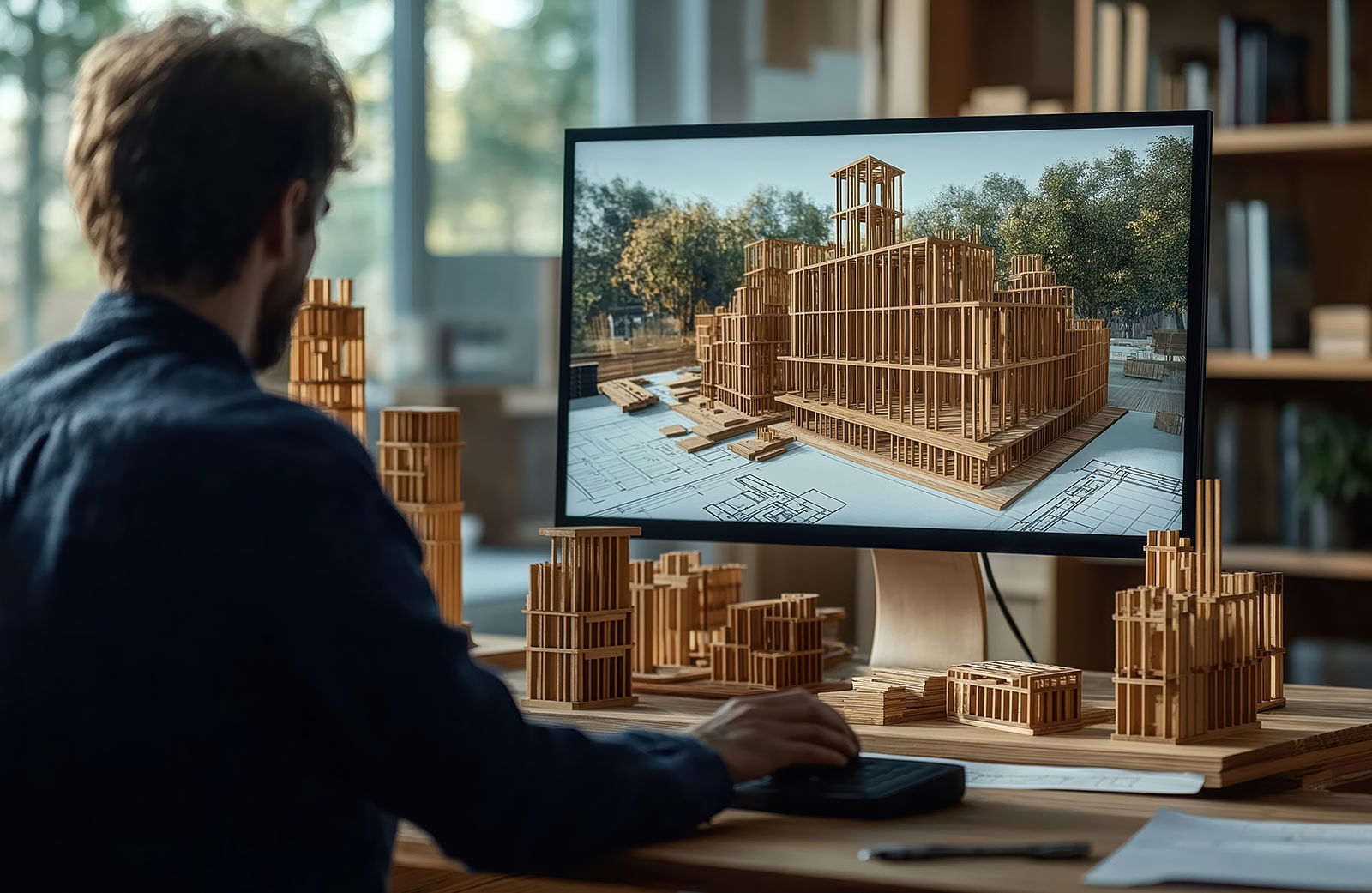
- 3D modelling software for building structures and layouts
- Rendering engines for processing lighting and materials
- Post processing tools for final refinements
Common platforms used in photorealistic architectural rendering include:
- 3ds Max
- V Ray
- Chaos Corona
- SketchUp
- Blender
- Lumion
The tools are important, but the outcome always depends on how effectively they are used.
Common mistakes to avoid
Even well-designed projects can lose impact due to avoidable mistakes.
Common issues include:
Unrealistic lighting conditions
Lighting that does not follow natural behaviour can make a render look artificial. Incorrect shadows, brightness, or direction of light immediately reduce realism.
Incorrect material settings
Materials must also be able to reflect and react to the light properly. Poor texture or poor finishes will affect the authenticity of the surfaces.
Poor positioning of the camera
The angles at which the picture was taken also have an effect on the perception of the space.
Lack of environmental context
Renders without surroundings often feel incomplete or isolated. Adding context such as landscape or background elements helps ground the design in reality.
Overuse of visual effects
These techniques can be detrimental to the realism of your work and will result in less believable imagery.
Avoiding these pitfalls will allow you to produce consistent results.
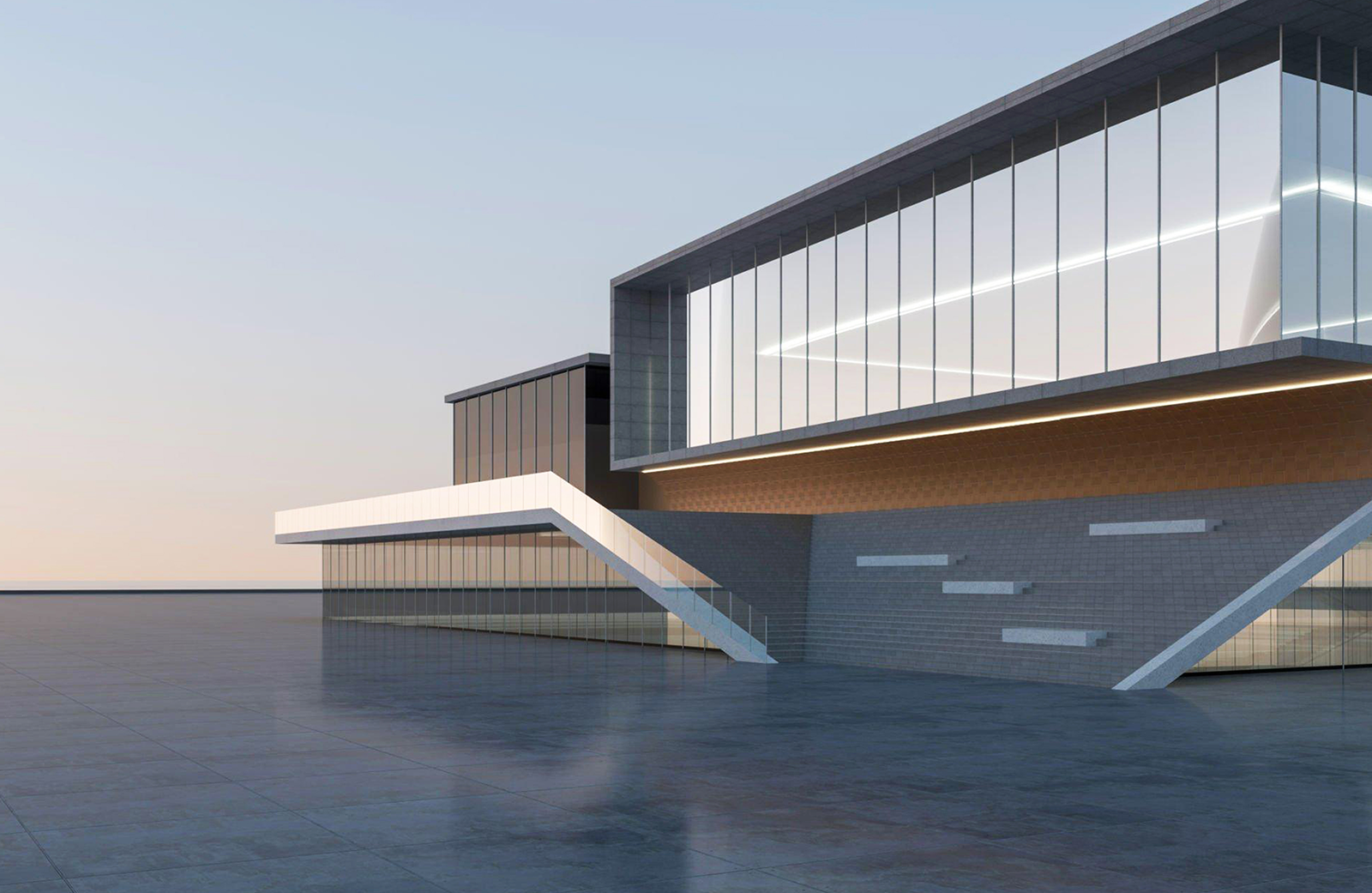
Pro tips for achieving better results
Beyond basic practices, certain techniques can improve the quality of your renders significantly.
- Use real world references to match lighting and materials
- Study photography to improve camera composition
- Add environmental context such as vegetation or surroundings
- Keep colour tones consistent and natural
- Evaluate multiple variations before finalising the image
These refinements often make the difference between an average visual and a high quality photorealistic render.
How photorealistic rendering improves project outcomes
Photorealistic rendering does not just enhance visuals. It improves overall project performance.
It helps:
- Improve communication with clients
- Reduce revisions during execution
- Increase marketing effectiveness
- Build stronger client trust
When a photorealistic architectural rendering clearly reflects the final outcome, decisions become easier and more dependable.
The future of photorealistic rendering
Technological development is occurring in the field of rendering. There is increasing prevalence of real time rendering, artificial intelligence driven applications, and interactive graphics.
The technological improvements ensure efficiency in rendering while producing high quality images as well. It will not take long until visual content becomes both realistic and interactive.
This development implies that photorealistic 3D rendering is essential in architecture processes.
Frequently asked questions
What is photorealistic architectural rendering?
It is the creation of highly realistic 3D images that replicate how a building would look in real life.
How do you make a photorealisticrenderlook realistic?
By using accurate lighting, detailed materials, proper textures, and realistic camera angles.
Which software is best for photorealistic 3D rendering?
Popular tools include 3ds Max, Blender, V‑Ray, Lumion, and Unreal Engine.
How much does photorealistic architectural rendering cost?
Costs vary widely based on complexity, ranging from basic renders to high end detailed visuals.
Why is photorealistic rendering important in architecture?
It helps present designs clearly, build client confidence, and support faster decision making.
Conclusion
Photorealistic rendering is more than a visual tool. It is a communication tool.
It helps people understand designs, trust outcomes, and make decisions with confidence. By bringing ideas closer to reality, it reduces uncertainty throughout the design process.
In the end, it is not just about how a project looks. It is about how clearly it can be understood.
That is what makes photorealistic architectural rendering an essential part of modern architecture.