
Picture this. You are standing in front of an empty plot of land, holding a set of drawings that only architects seem to understand. Now imagine being able to see the finished building before a single brick is laid. Windows catching the light, trees swaying around it, textures so real you almost want to touch them. That is architectural rendering.
And yes, it is really that powerful.
Architectural rendering is no longer a “nice to have”. It is a must. From architects and developers to real estate marketers and homeowners, everyone wants clarity before investing time, money, and energy.
Let us break it down and simplify it for you.
So, what exactly is Architectural Rendering?
Architectural rendering refers to creating realistic images that show what a building will look like before it exists in real life. The images may be static, animated, or interactive.
The purpose is to make the design understandable to people whose background is not architectural, without the need for interpretation.
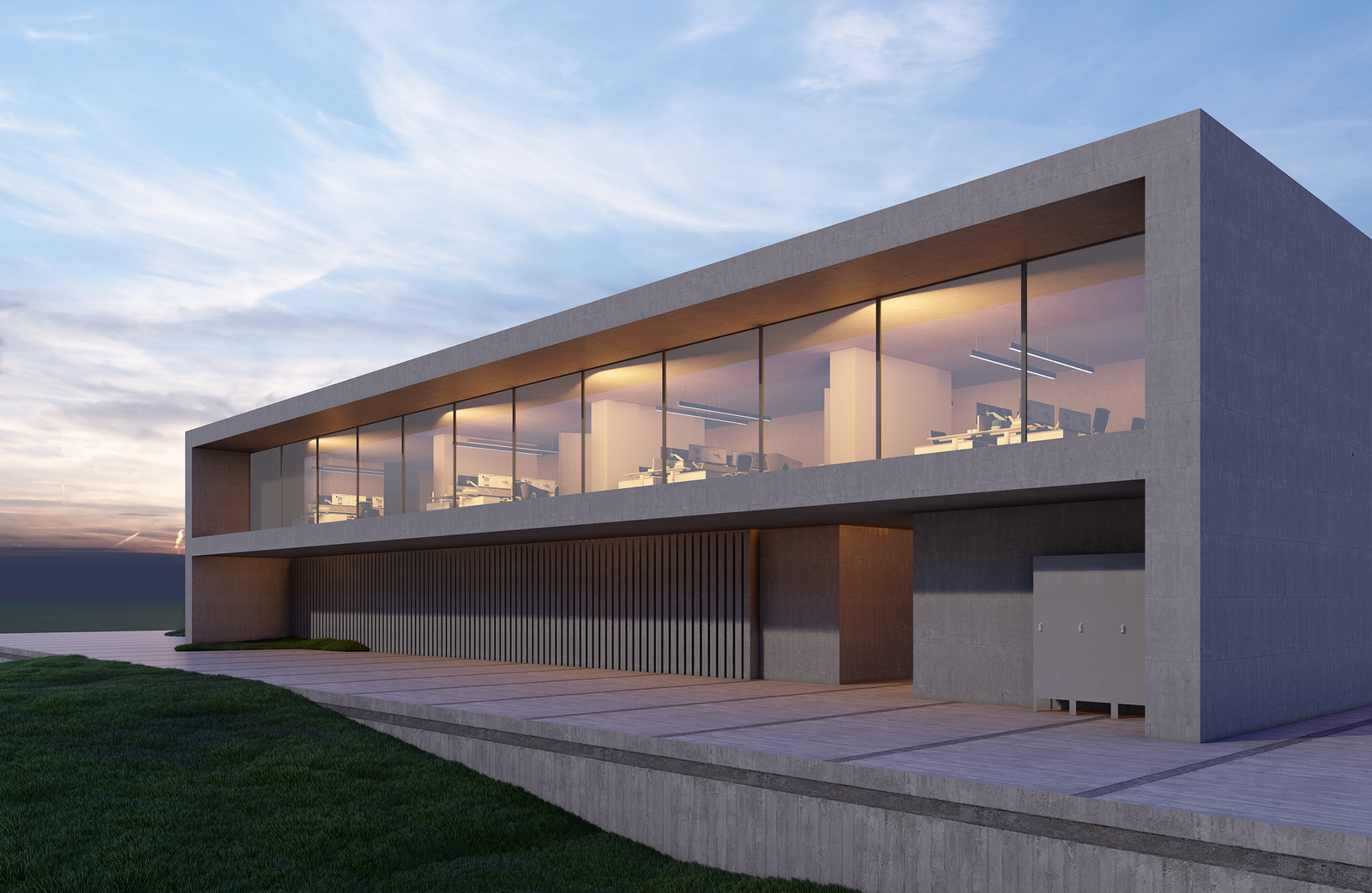
An architectural rendering of a building turns flat drawings into images that give a sense of realism with respect to the shape, size, materiality, light, and context of the building.
No guesswork required.
Back in the day, renderings were hand drawn or painted. Today, everything is digital, detailed, and sometimes borderline cinematic. If you have ever seen a new apartment launch online and thought, “That looks amazing”, chances are you were looking at a rendering.
Why architectural rendering matters that much?
Let us be honest. Most people cannot read blueprints. And that is completely fine.
Renderings exist because communication matters.
Architectural rendering helps:
- Clients understand the design instantly
- Architects present ideas clearly
- Developers secure approvals faster
- Marketers sell projects before construction even begins
In a world, where attention spans are short and visuals rule, renderings do the heavy lifting. They tell a story without saying a word.
How does architectural rendering work?
Now for the part everyone is curious about. How does it happen?
Step one: The raw material
Everything starts with information. Architects provide floor plans, sections, elevations, and sometimes rough 3D models.
Providing clear and detailed inputs helps achieve better results.
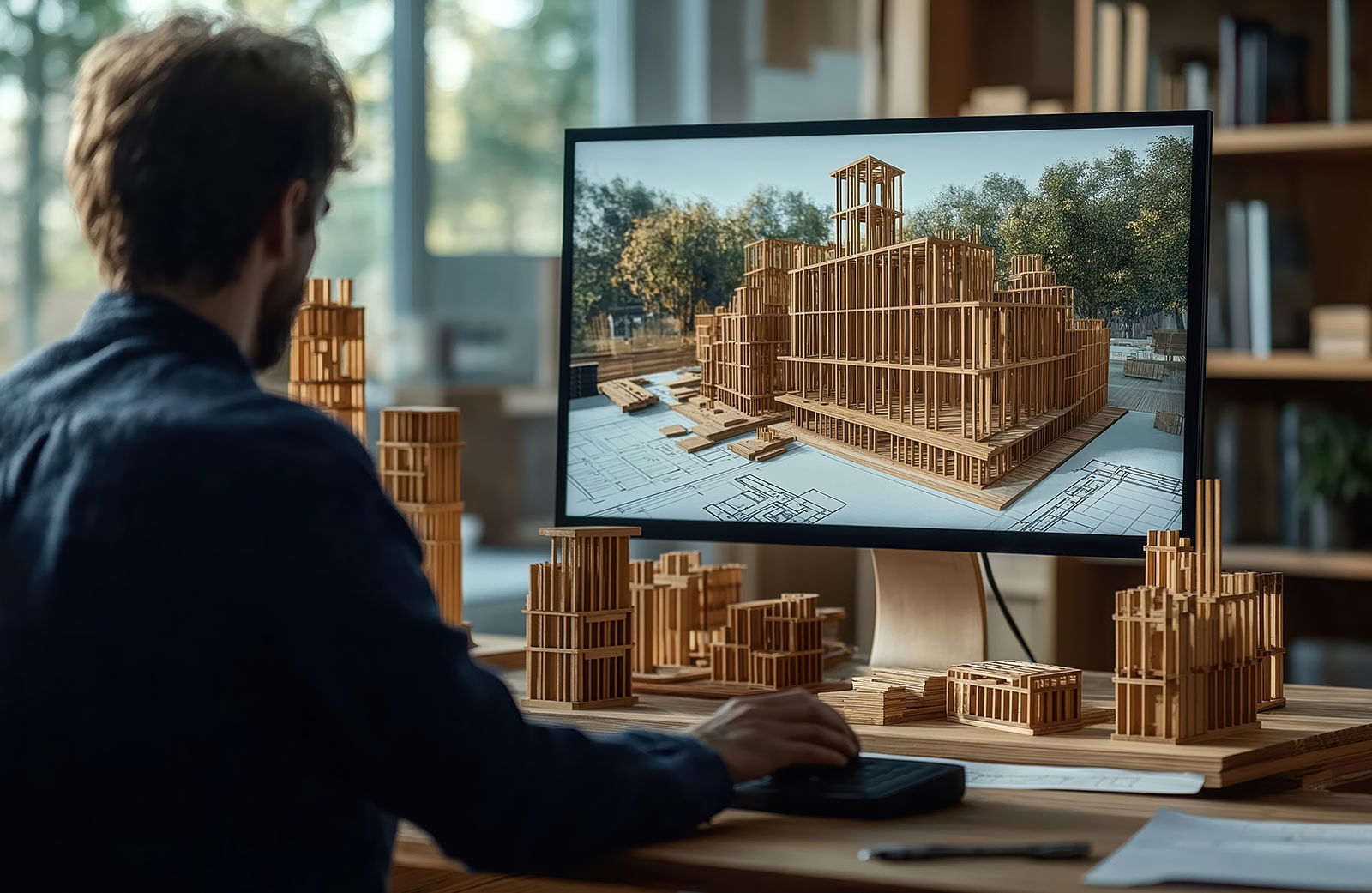
Step two: 3D modelling
This is where the magic starts. Using specialised software, artists build a 3D model of the structure. Walls, roofs, windows, balconies, all made to scale. At this stage, it looks basic, almost like a digital skeleton.
This step answers the big question of how to render architecture properly.
Step three: Materials and textures
Now the model gets dressed – concrete, timber, glass, metal, stone.
Each surface is assigned textures that respond to light realistically. This is what turns a plain model into something believable.
Step four: Lighting and environment
Everything depends on lighting. Sunrise, golden hour, cloudy skies, night shots with warm lighting inside buildings. The environment is included. Roads, vegetation, humans, vehicles, birds, anything needed.
This stage is essential in exterior visualisation since it sets the tone and creates realism.
Step five: Rendering and post-processing
All the data above is processed by a computer and turned into high quality pictures. Post processing enhances the results. Colour correction, sharpening, atmosphere, and several other steps are carried out as part of the process.
It’s like editing photographs, except we don’t have photos, only device
renderings.
That’s it. A house that doesn’t exist yet and appears as if it’s almost ready to be inhabited.
Types of architectural rendering you should know about
Not all renders are the same. Different projects need different visuals.
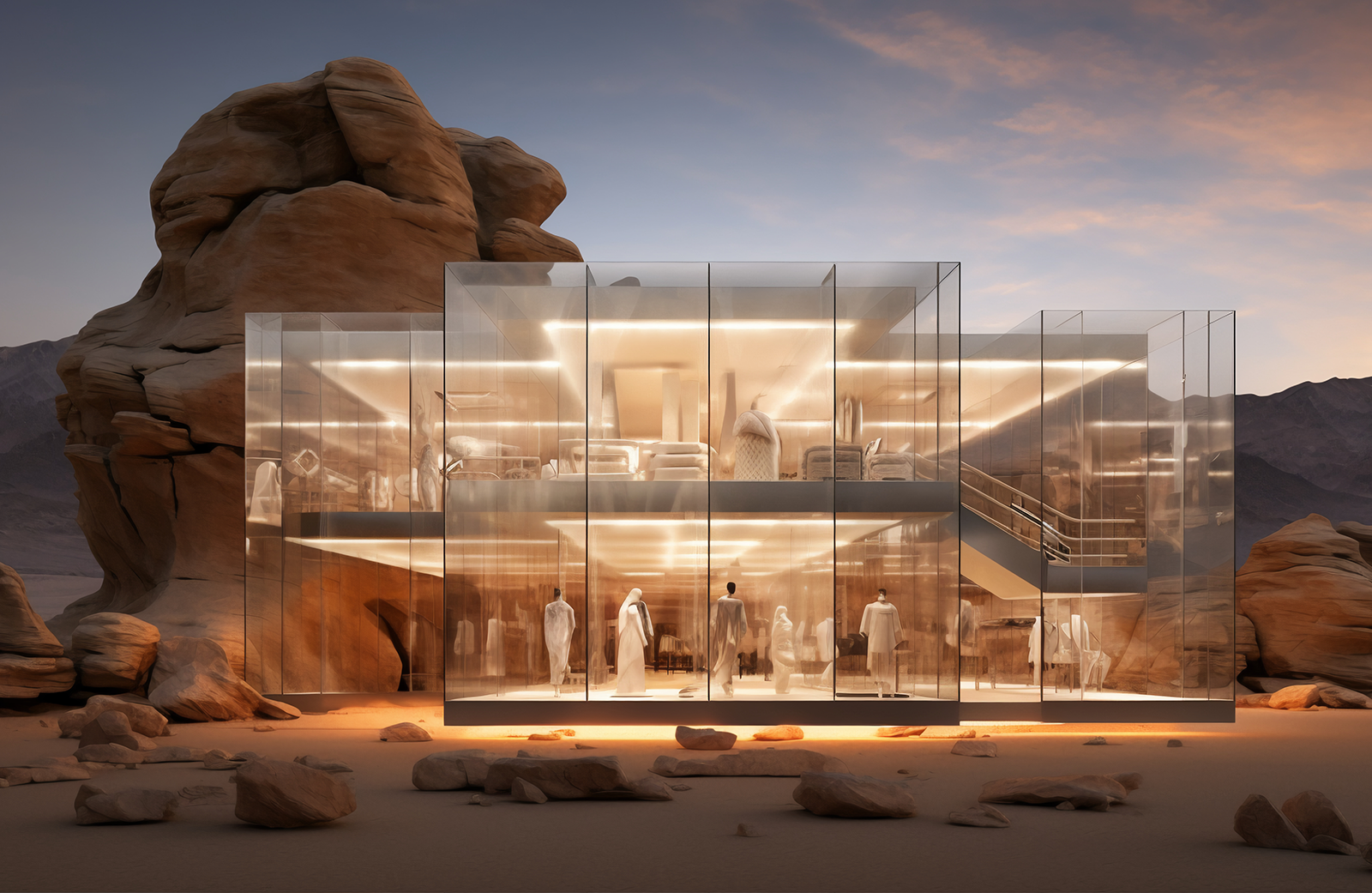
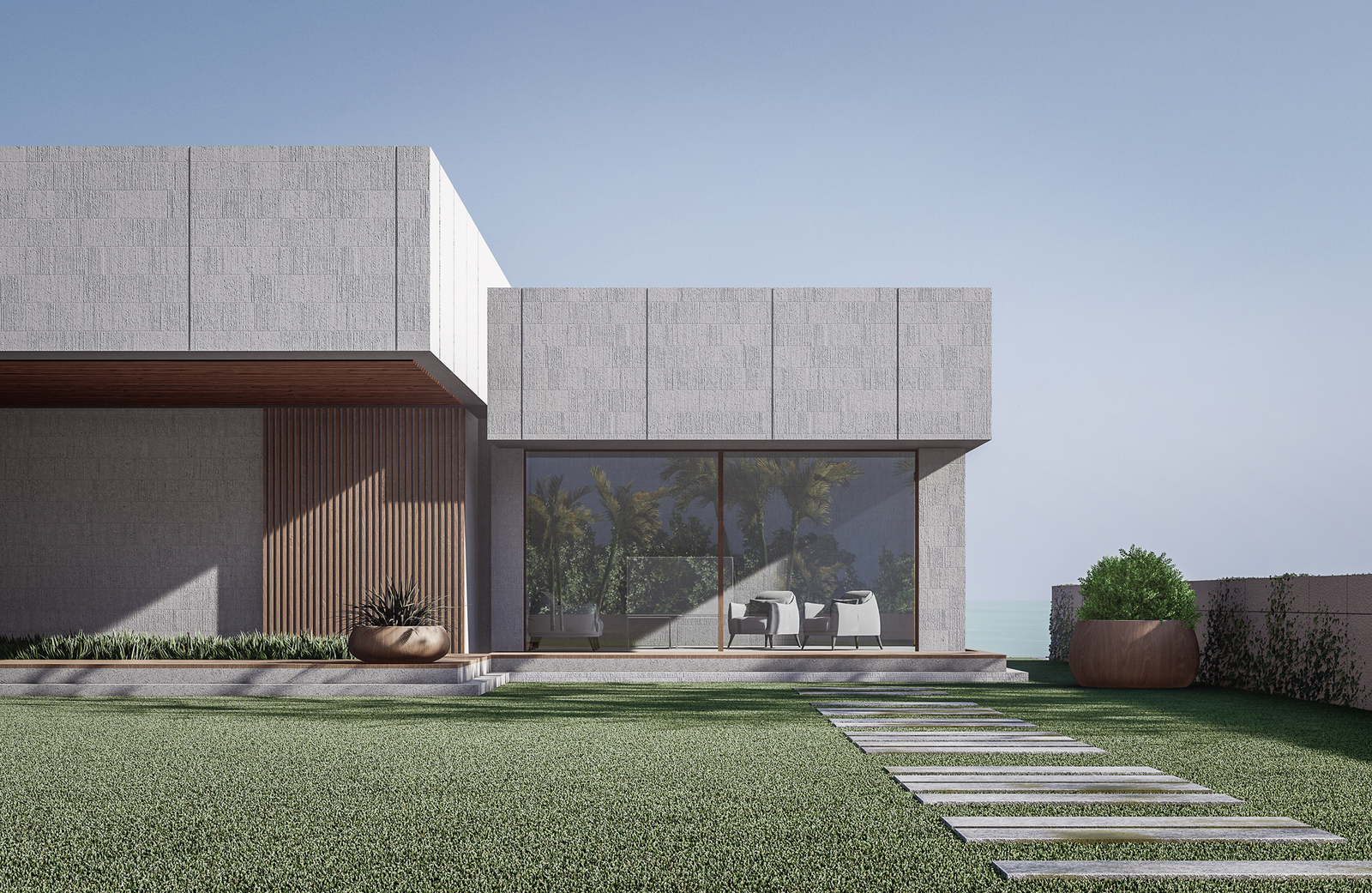
Exterior rendering
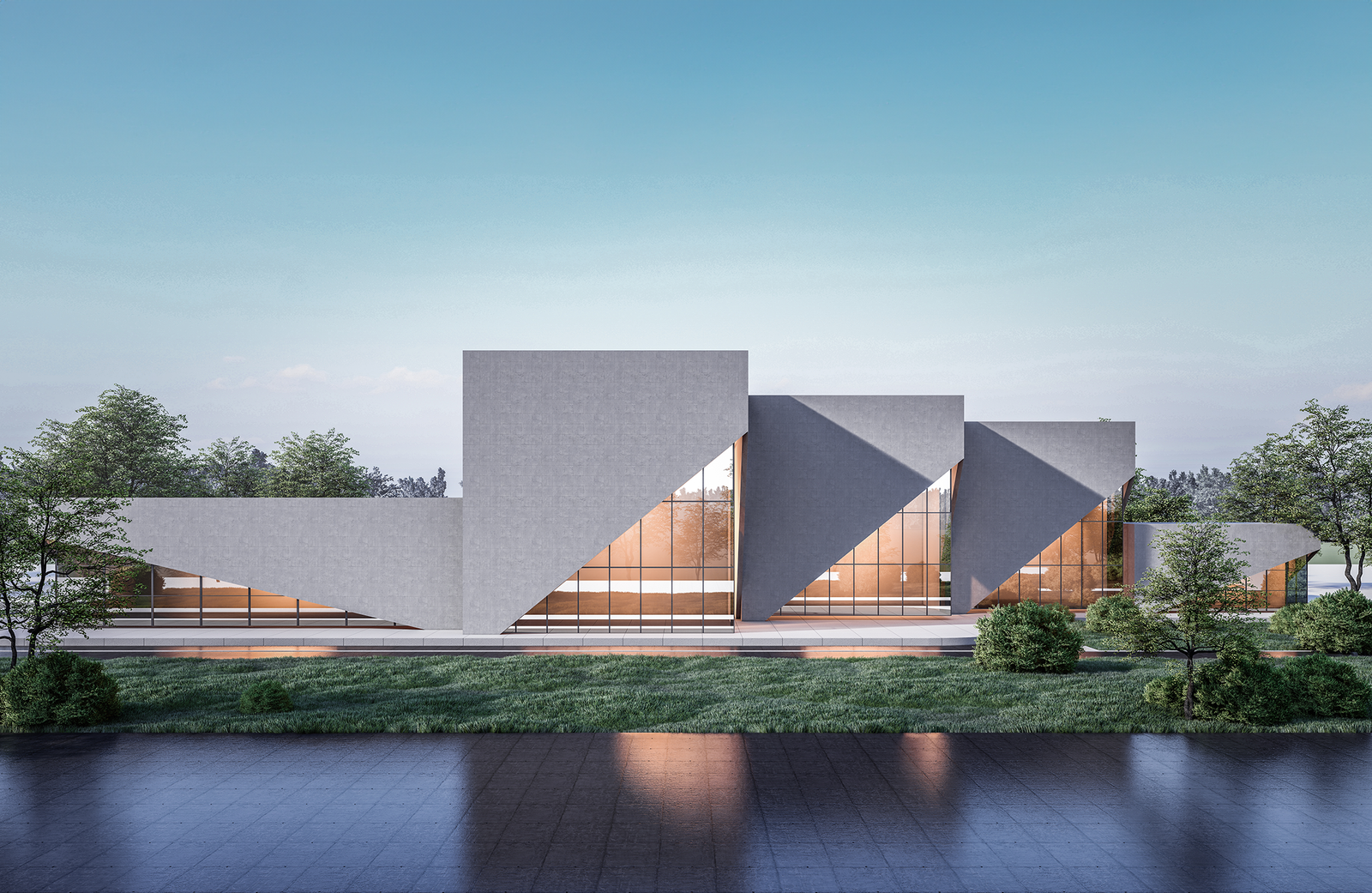
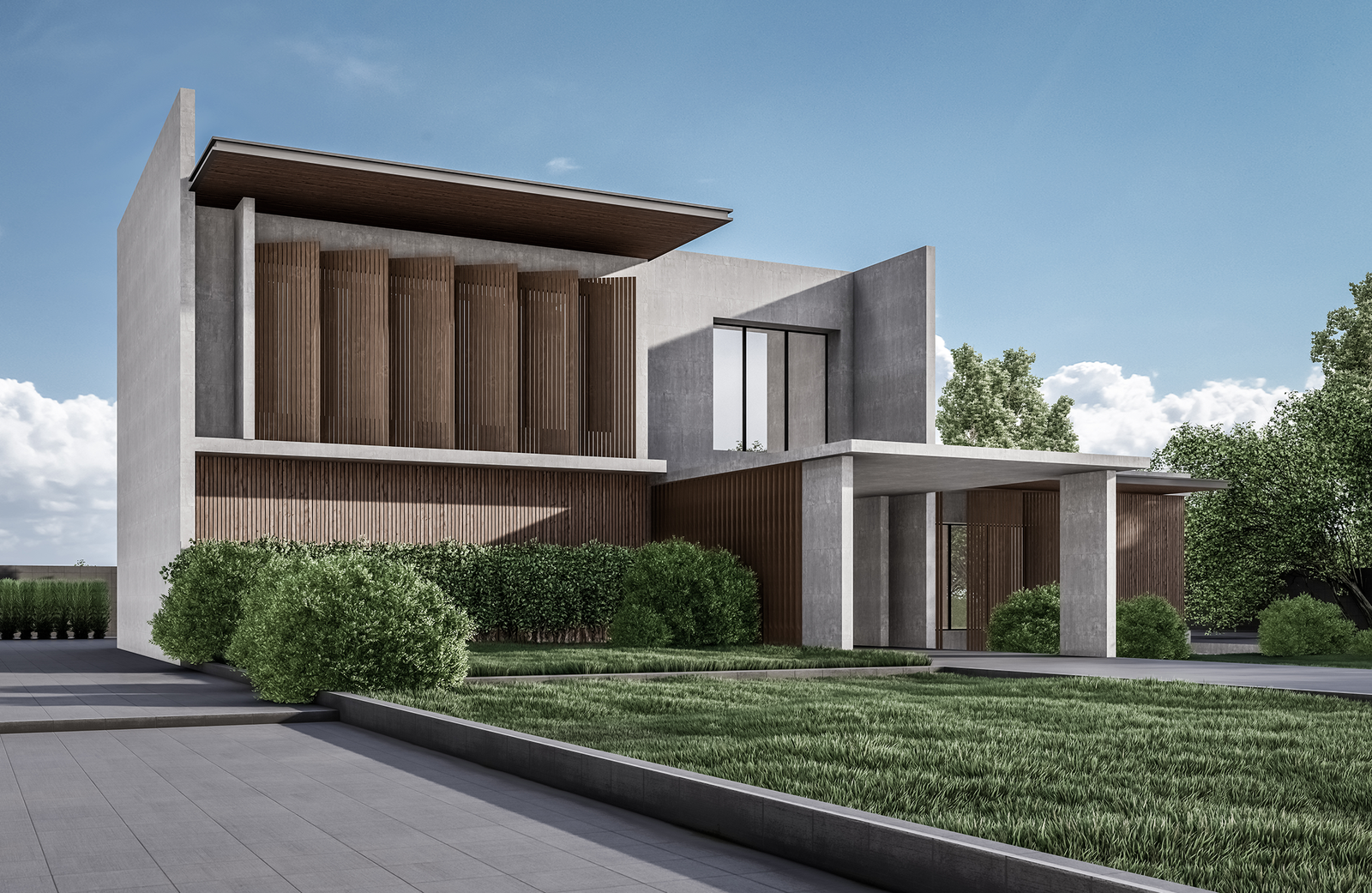
An exterior rendering deals with the exterior aspects of a structure. Facade, landscaping, lighting, and context are all included here. It is commonly employed for approvals, competitions, and marketing.
As it is usually the first visual that people get, it should be impressive but not misleading.
Interior rendering
It depicts interiors like lounges, workplaces, kitchens, lobbies, and other rooms. It emphasises design, furniture, materials, and lighting. It is highly effective when attempting to establish an emotional connection with the client.
Landscape architecture rendering
It illustrates the intended design of outdoor spaces such as gardens, walkways, lakes, parks, and courtyards. This is especially crucial for residential projects, resorts, and public amenities.
A great landscape illustration inspires one to venture outdoors.
Aerial and site renders
These give a bird’s eye view of the project and its surroundings. Perfect for large developments and urban planning.
Architectural Rendering Styles explained simply
There is no universal way to render architecture. There are specific styles meant for certain purposes.
Photographic
It is the most common rendering style at the moment. The goal is to make the picture resemble a photograph in every sense. Everything counts. Reflections, shadows, flaws.
Perfectly suits commercial purposes.
Conceptual or artistic
Mood over accuracy. The renderings might look sketchy, soft, or highly artistic.
Perfect for conceptual and preliminary design work.
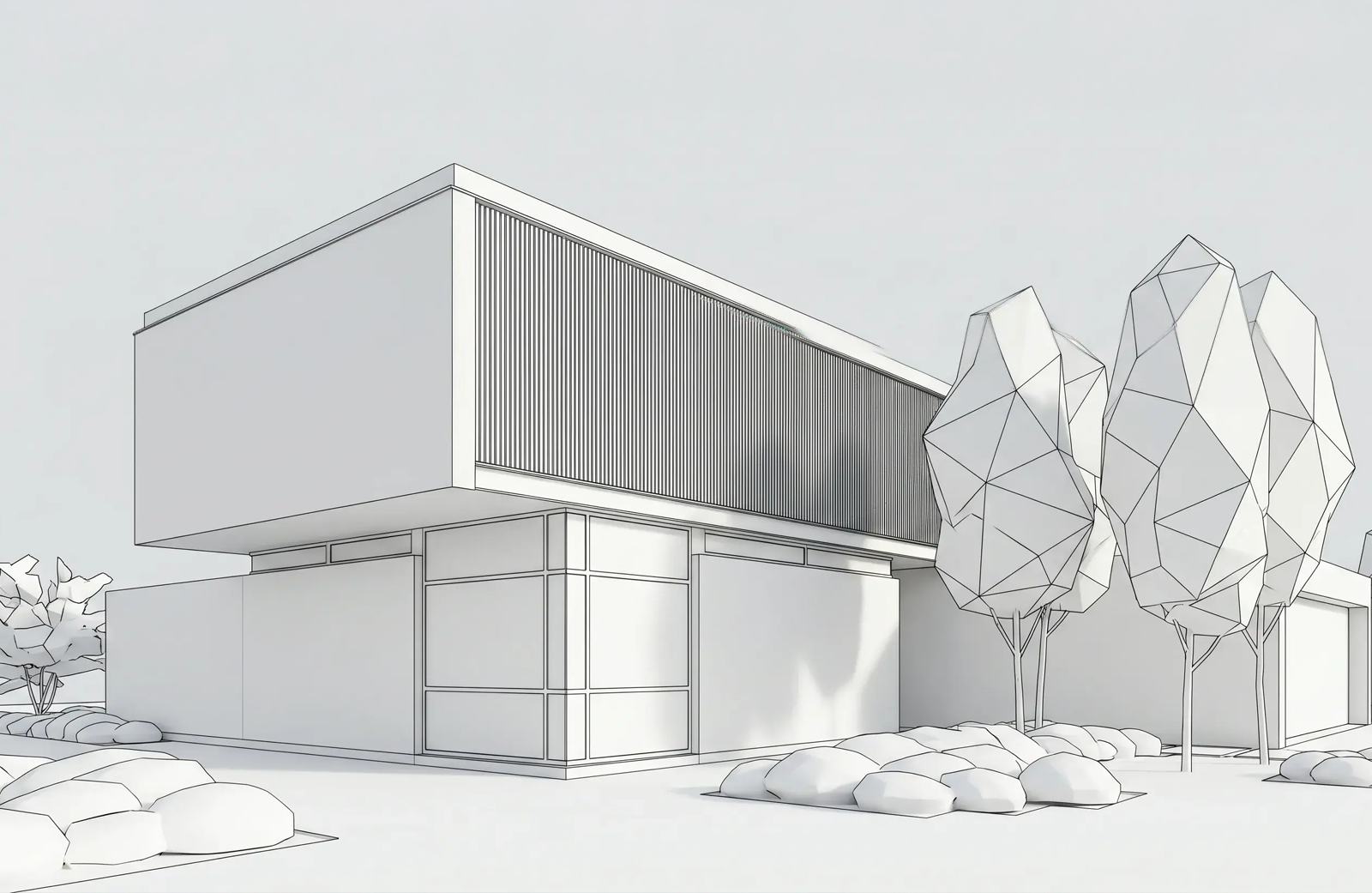
White models or clay renders
All materials appear either white or in other neutral colours. No distracting elements.
Good for form study.
Real time rendering
Used in interactive walkthroughs and virtual reality. Users can explore the space in real time. It is immersive and impressive, but also more technical to produce.
Each of these Architectural rRendering sStyles serves a purpose. The trick is choosing the right one.
Who uses architectural rendering?
Short answer. Almost everyone in the building industry.
Architects use it to present designs. Developers use it to sell ideas. Real estate agents use it to market properties not yet built. Interior designers use it to finalise concepts. Even homeowners use renderings to plan renovations.
If a decision needs to be made, a rendering makes it easier.
Also Read: Photorealistic Architectural Rendering
The real benefits, beyond the visuals
Architectural rendering is not just about pretty pictures.
- It reduces costly design changes later.
- It speeds up approvals.
- It improves client satisfaction and It aligns expectations early.
- And yes! it looks amazing on websites, hoardings, and brochures.
In short, it saves time, money, and confusion.
FAQs
Why do we need architectural rendering?
Architectural rendering helps visualise designs before construction, making ideas clear, improving communication, supporting approvals, and helping clients make confident decisions.
What are architectural rendering techniques?
Common techniques include photorealistic rendering, conceptual rendering, 3D walkthroughs, animation, and photomontage, each used to present designs in different visual styles.
What is the rendering process in architecture?
The process involves modelling, applying materials and lighting, setting camera views, and generating realistic images or animations based on architectural designs.
Does AI replace traditional architectural rendering?
AI supports and speeds up rendering workflows, but it does not fully replace traditional methods, as human expertise is still essential for accuracy and design control.
What is photo matching in architectural rendering?
Photo matching combines a 3D model with a real photograph to accurately place a proposed design within its actual environment.
Who typically uses architectural rendering?
Architects, developers, interior designers, real estate marketers, and planners commonly use architectural rendering to present, evaluate, and promote projects effectively.
Conclusion
Architectural rendering is at the point where creativity and clarity intersect perfectly. It converts abstract ideas into visual reality that everyone can perceive, interpret, and be passionate about. Whether your project involves a rendered architectural building, an exterior rendered design, or a landscape architecture rendered concept, the objective is clear visualisation!
Rendering can help you realise your dreams before they are a reality. And that is pretty powerful.
Honestly, once you experience a good render, going back to flat drawings feels a bit… meh.