
3D architectural visualisation is one of the most searched topics in the design and construction space, yet pricing is rarely explained clearly. So, how much does a 3D architectural rendering cost in Australia?
The honest answer is that there is no single fixed price. Costs vary based on what you need, how detailed it is, and how quickly it must be delivered. This guide breaks down the typical ranges and the key factors that influence a quote.
If you live in Australia, then you might be confused by different prices given by studios for architectural visualisation projects. While one gives a quote worth hundreds of dollars, others charge thousands. Let us clear the fog.
The short answer, before we all scroll
The cost of 3d architectural rendering varies based on complexity, quality, scope, and turnaround time. Simple visuals cost less. High end, hyper realistic imagery costs more. That is the truth. Now let’s break down what actually affects the price, so you can plan your budget with confidence.
What is included in the cost of 3D architectural rendering?
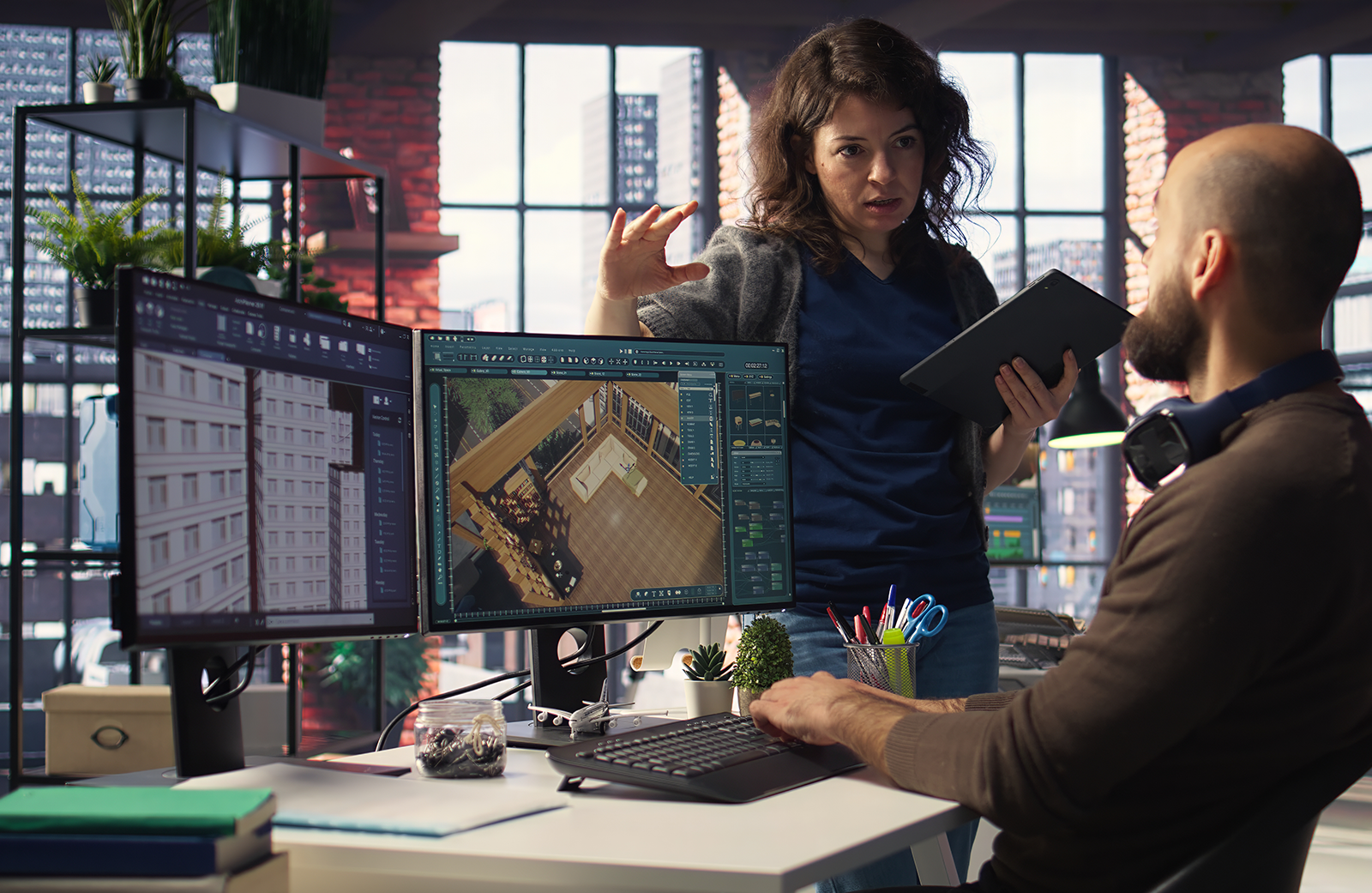
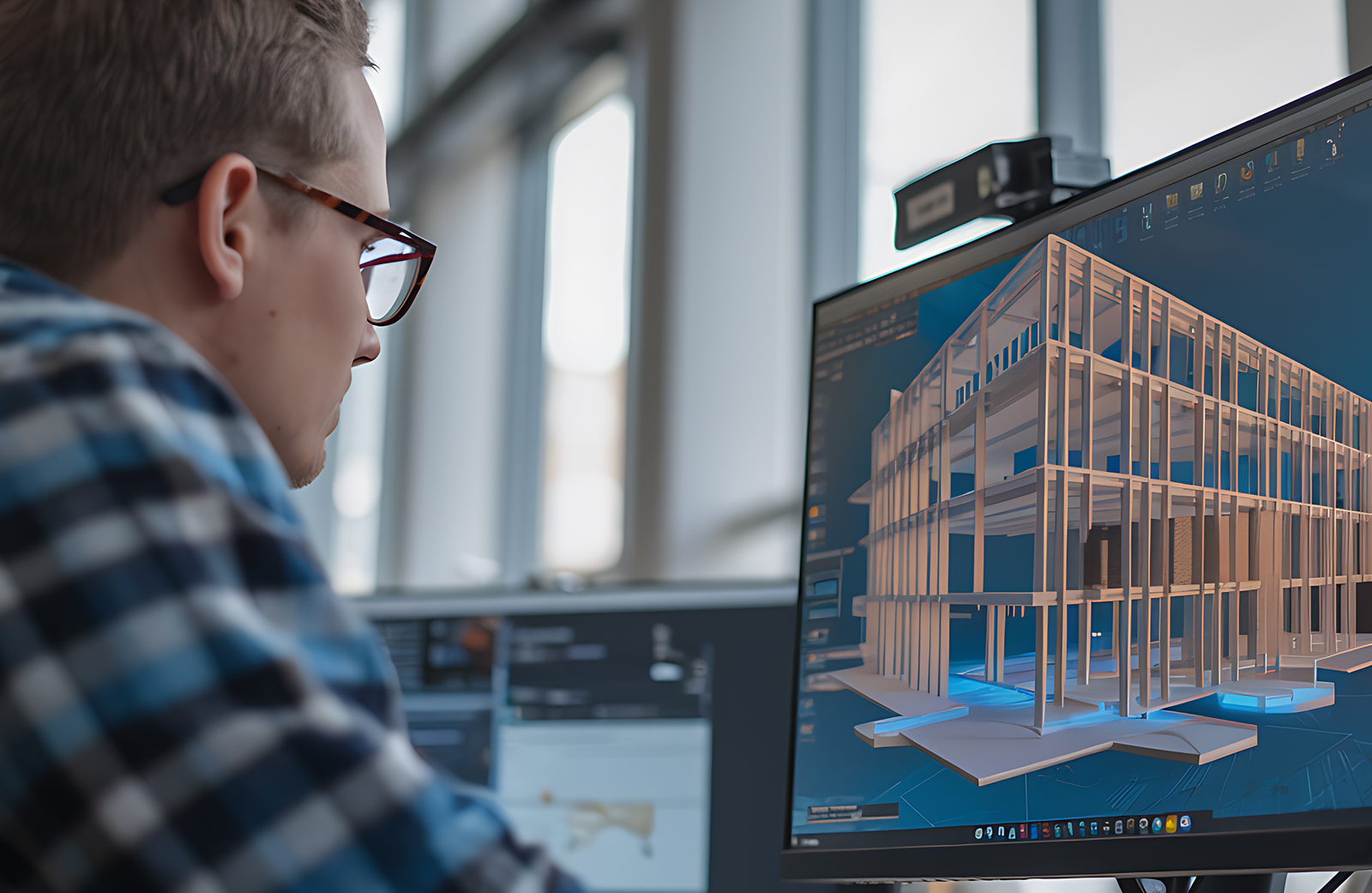
When you pay for a render, you are not paying for a single image. You are paying for time, skill, software, hardware, experience, and creative judgement.
A typical rendering project includes:
- 3D modelling from drawings
- Texturing and materials
- Lighting setup
- Camera composition
- Rendering time
- Post-production edits
Each of these steps takes effort. Each adds to the final 3d architectural rendering cost.
How much does 3D rendering cost in Australia?
Let’s talk numbers.
In Australia, the 3D rendering cost usually falls into these rough ranges:
- Basic interior or exterior render: approx. AUD 300 to AUD 800
- Mid-range realistic render: approx. AUD 800 to AUD 1,800
- High-end photorealistic render: approx. AUD 2,000 to AUD 5,000
These are industry averages, not strict rules. Some studios charge less, some charge more, depending on their positioning and portfolio.
If you are searching specifically for 3D rendering cost Australia, this range is a good benchmark for 2026.
Cost per image vs cost per project
Here is something people often miss. Some studios price per image, others price per project.
Per image pricing works well when you only need one or two views.
Per project pricing makes more sense for larger developments where modelling is reused across multiple shots.
Always ask what is included. Revisions, alternative views, and lighting changes can change the final 3d rendering cost very quickly.
3D rendering cost per hour, does it exist?
Yes, it does.
And no, it is not always the best option.
Some freelancers and studios quote a 3d rendering cost per hour, usually ranging from AUD 50 to AUD 150 per hour in Australia. This model is mostly used for:
- Small edits
- Ongoing work
- Concept development
For full renders, fixed pricing is generally better. It gives you clarity and avoids awkward “one more small change” conversations.
What makes one render expensive and another cheap?
If you have ever wondered why quotes vary so much, here is why.
Level of realism
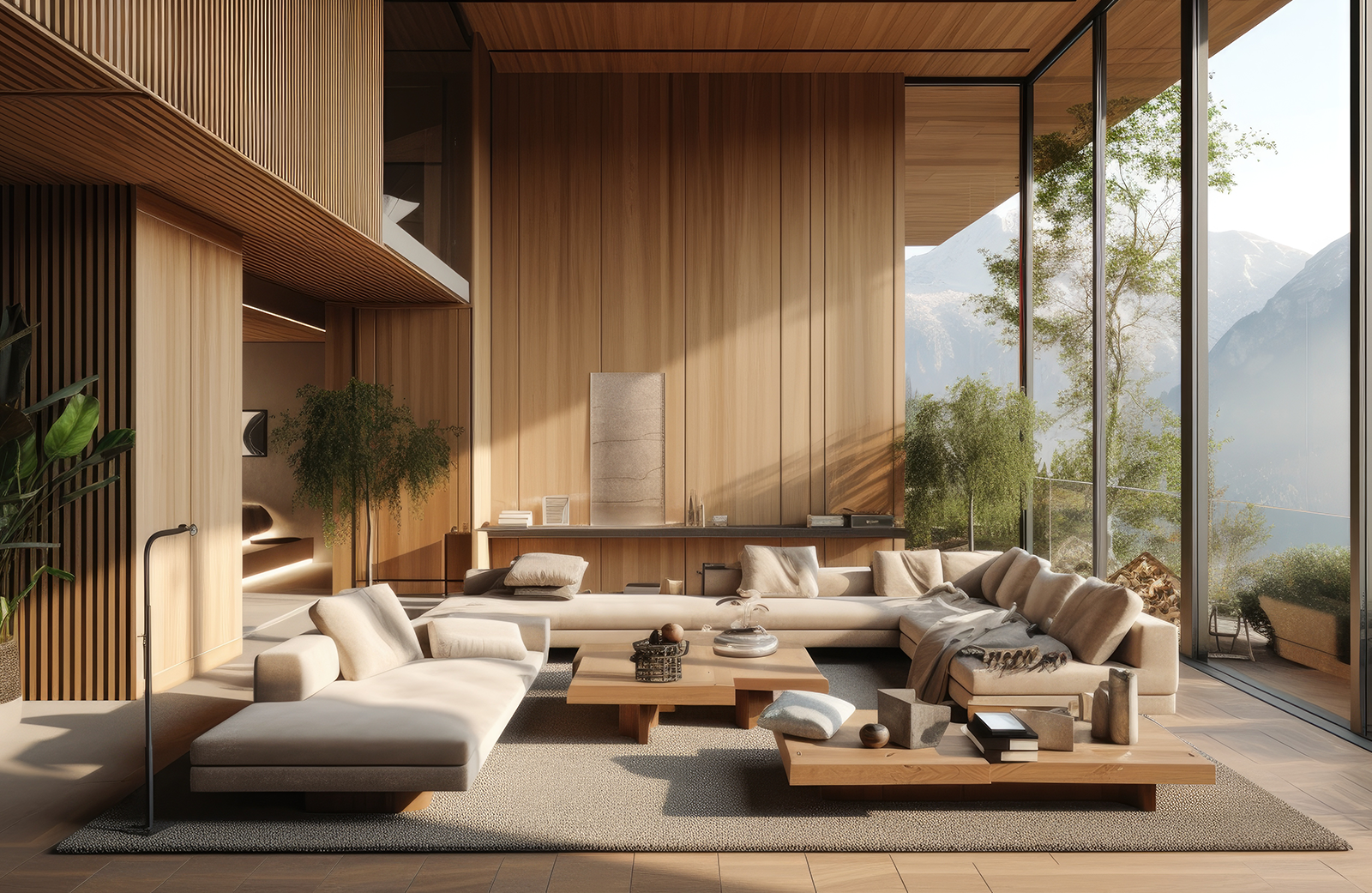
Photorealistic images take more time. More detail. More fine tuning. More computing power. That directly increases the cost of 3d architectural rendering.
Complexity of the project
A single storey house is easier than a mixed-use high rise. More geometry equals more work.
Amount of context
Adding surroundings like neighbouring buildings, roads, cars, people, and detailed landscape architecture rendering increases production time and cost.
Revisions and changes
Unlimited revisions sound nice, but they come at a price. Clear briefs save money.
Turnaround time
Rush jobs cost more. Always. Artists are human, not rendering machines.
Interior vs exterior, does price change?
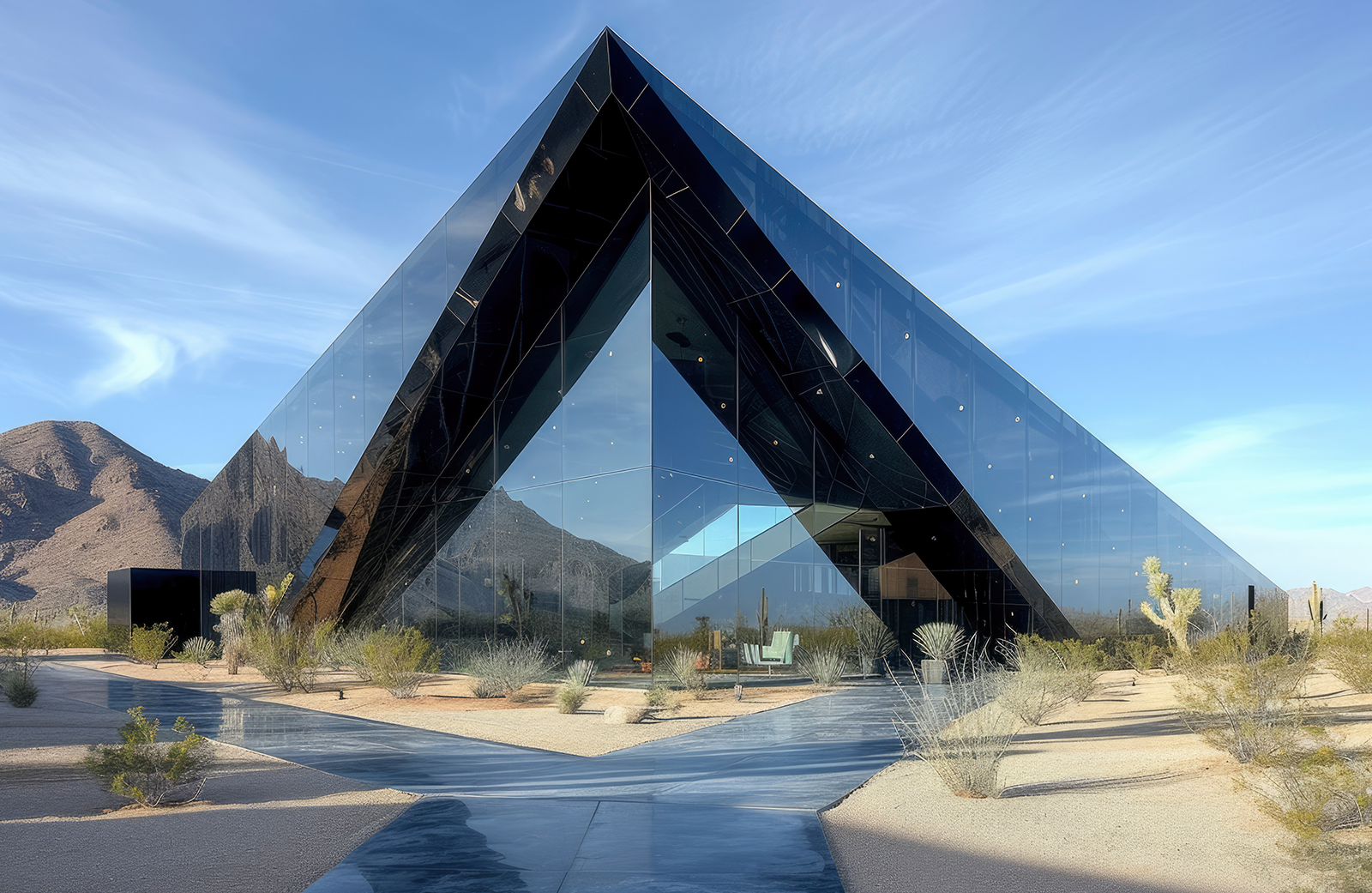
Yes. Exterior rendering often costs more than interiors because of environmental lighting, sky setup, reflections, and landscaping.
Interior scenes focus heavily on materials, furniture, and artificial lighting. Exteriors focus on realism at scale. Both require different skills, and both affect the final 3d architectural rendering cost.
Is cheaper always worse?
Not necessarily, but it can be risky.
Lower prices may mean:
- Less experience
- Limited revisions
- Lower resolution outputs
- Reused assets
That does not mean budget renders are useless. For early design stages, social media previews, or internal reviews, they can be perfect.
For marketing, sales, or investor presentations, quality matters. A lot.
How to budget smartly for 3D architectural visualisation
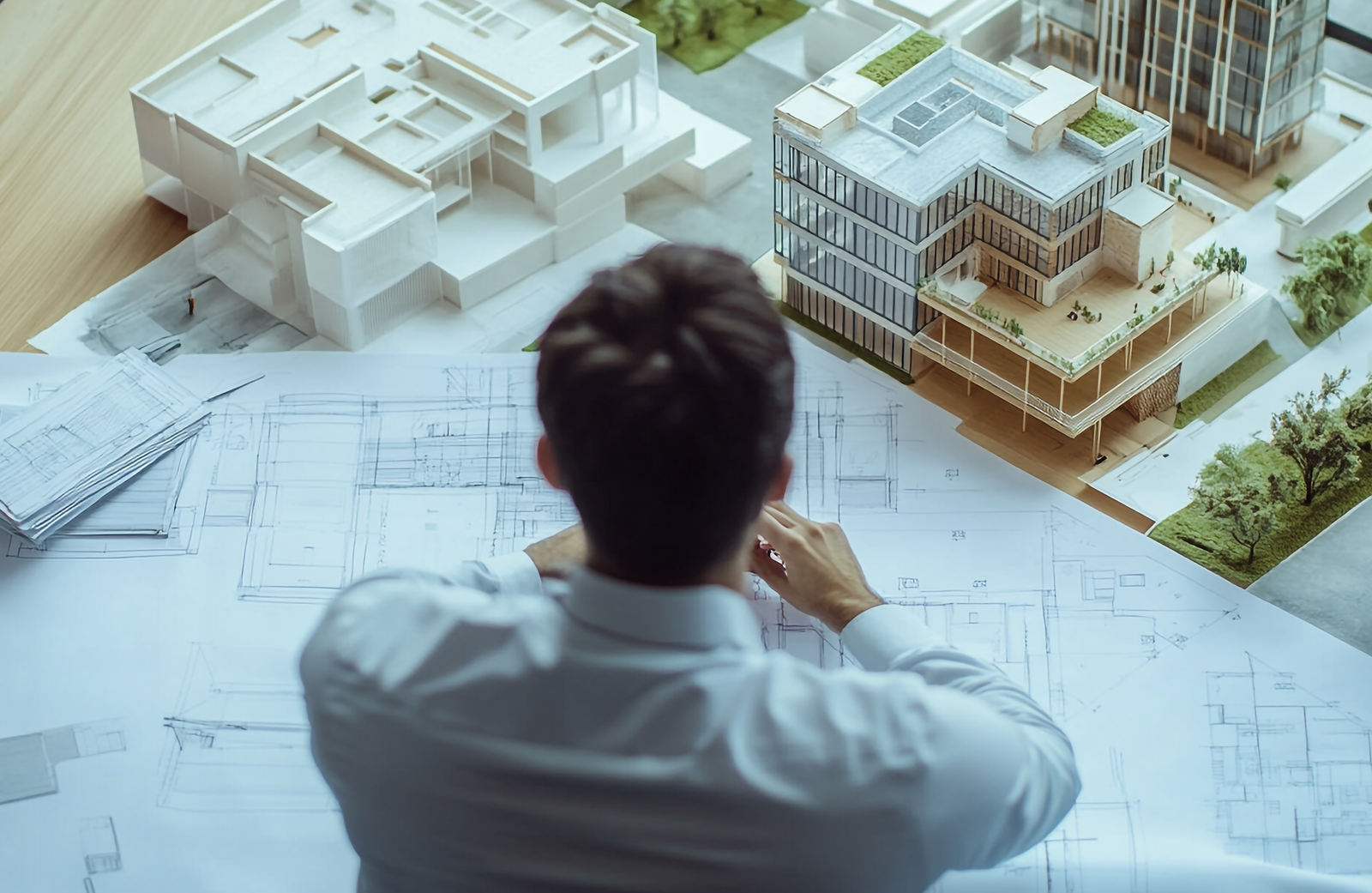
Before requesting quotes, be clear about your purpose. Are you selling a project, presenting to stakeholders, or simply exploring design ideas?
Prepare accurate and well-detailed drawings, as clean inputs significantly reduce modelling time.
Limit revisions by finalising decisions early and sticking to them.
Always ask for samples, a strong portfolio often says more than pricing alone.
Finally, understand usage rights. Visuals created for marketing purposes may cost more than those meant for internal use, and that difference is justified.
So, what is the cost of 3D rendering, truly?
It depends on the necessary budget for the task at hand.
The main concern should not be “How cheap can my rendering be?” but rather “To what extent do I require clarity and emphasis?“
In Australia, good 3d architectural visualisation sits comfortably between affordability and professionalism. You do not need movie level visuals for every project, but you also should not undersell a great design with flat imagery.
FAQs
How does the resolution and quality of the final rendering affect the pricing?
Higher resolution and quality increase rendering time, detailing effort, and computing resources, which directly raises overall project pricing.
Are there any additional costs or hidden fees associated with 3D rendering projects?
Additional costs may include revisions, fast delivery, extra views, animation, complex detailing, or source file changes depending on project scope.
What factors affect the cost of 3D renderings?
Cost depends on project complexity, number of views, level of detail, timeline, revisions, and deliverable format such as still images or animation.
Where to find the best 3D rendering firms?
Top firms can be found through portfolios on design platforms, Google search, industry networks, referrals, and reviewing previous project case studies.
What software do 3D rendering firms use?
Common tools include 3ds Max, V-Ray, Unreal Engine, Blender, Lumion, SketchUp, Rhino, and Revit for modelling and rendering workflows.
How much do renderers charge per m2?
Most firms charge per image or project. Per m² pricing varies widely but is less common and depends on complexity and detail level.
Conclusion
3D rendering is an investment, not an expense. It helps people understand, approve, and buy ideas that do not exist yet. When done well, it pays for itself many times over.
If you are planning your next project and wondering about the cost of 3d architectural rendering, think beyond the number. Think about what the image needs to achieve.
Because the right render does not just show a building. It sells a vision. And honestly, that is worth paying for.