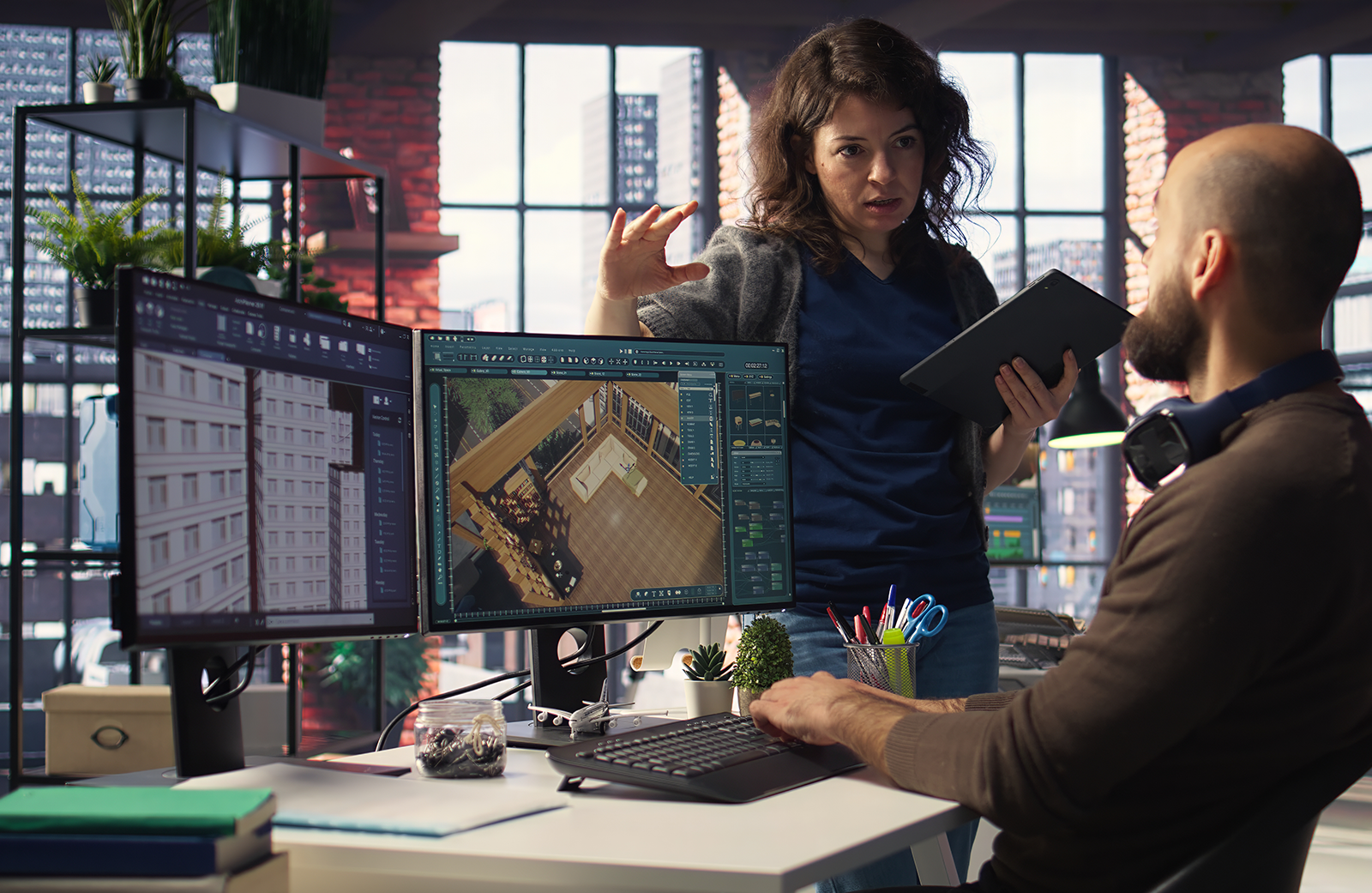

Interior design always begins with imagination. The interior designer first forms an image of the space that should exist. Though it may not yet be built, everything about the space – its layout, lighting, texture, and atmosphere – is conceptualised in the mind of the interior designer.
It sounds like an easy task, but it is not. No one else can imagine as the interior designer does. It is difficult for clients to see the picture. Something natural for an interior designer can be very hard to convince others of.
This is why 3D interior designing has revolutionised the process. It helps communicate it clearly.
From explaining ideas to showing them
Interior design traditionally relied on explanation. The designers would present their concepts to clients, give them some examples, and show the designs to the clients as well. However, this technique could not be considered completely effective because misunderstandings would sometimes arise.
However, because of the existence of the 3D interior visualisation, misunderstanding is no longer an issue. This makes it possible for clients to understand the effect of light on their rooms, color combinations, and furniture arrangements within the rooms. There will be no more misunderstandings; hence, better communication.
Design confidence changes everything
Uncertainty slows down decisions. When clients are unsure about layouts, materials, or finishes, they hesitate, which often leads to repeated revisions and project delays.
Interior visualisation reduces that uncertainty. When clients can clearly see a design, they feel more confident and are able to make decisions with clarity. This leads to:
- More precise feedback
- Faster approvals
- Fewer unnecessary revisions
As a result, projects move forward more smoothly and within expected timelines.
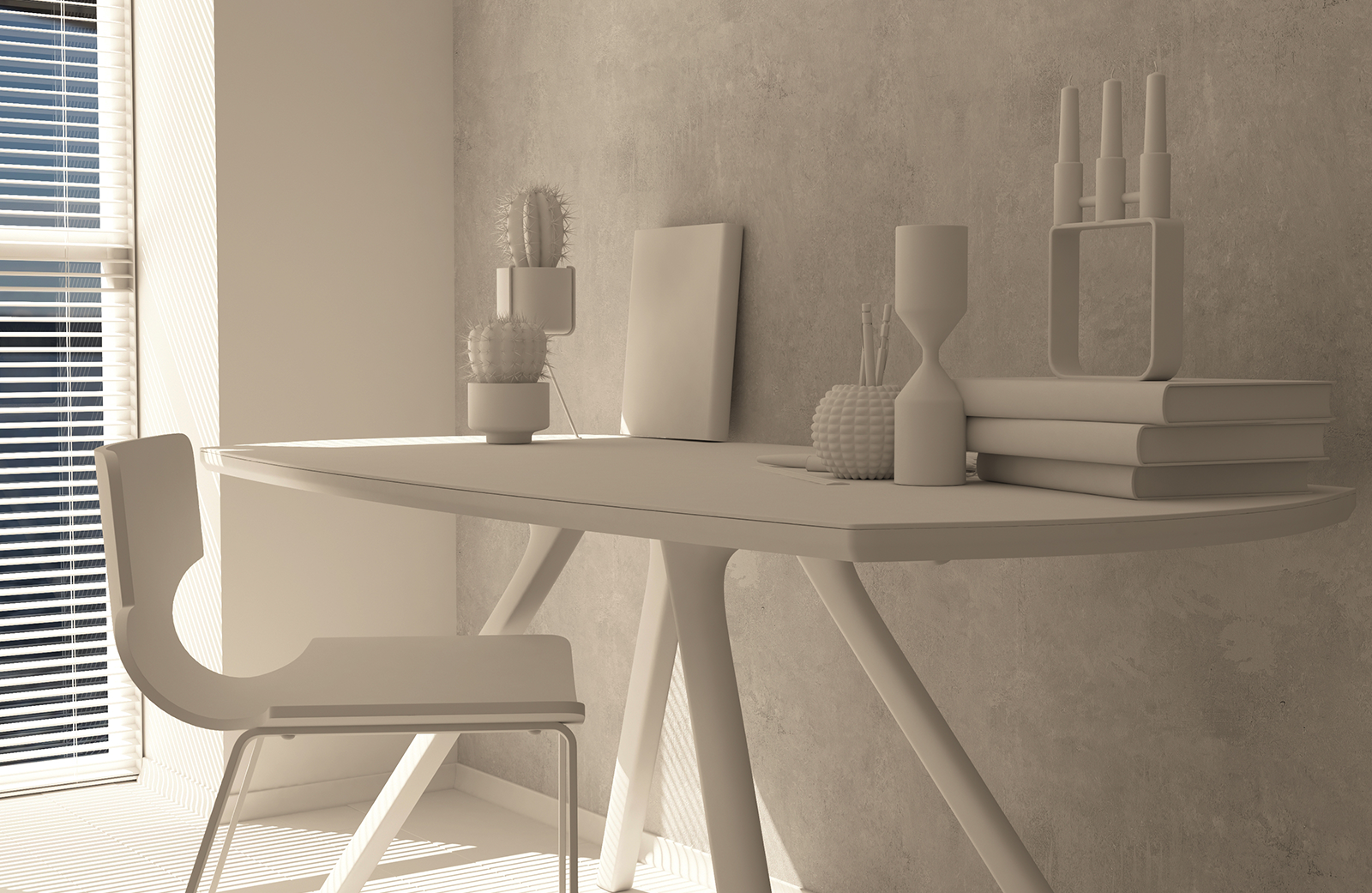
Design becomes more measured, not more complicated
It may seem that adding 3D tools increases complexity, but in practice, it simplifies the design process. 3D visualisation interior design allows designers to evaluate ideas before execution.
Instead of relying only on plans, designers can:
- Compare different layout options
- Identify spacing and scale issues
- Test material combinations in context
For example, a layout that looks correct in 2D may feel cramped when viewed in 3D. Identifying this early prevents costly changes later.
Spaces start to feel real before they exist
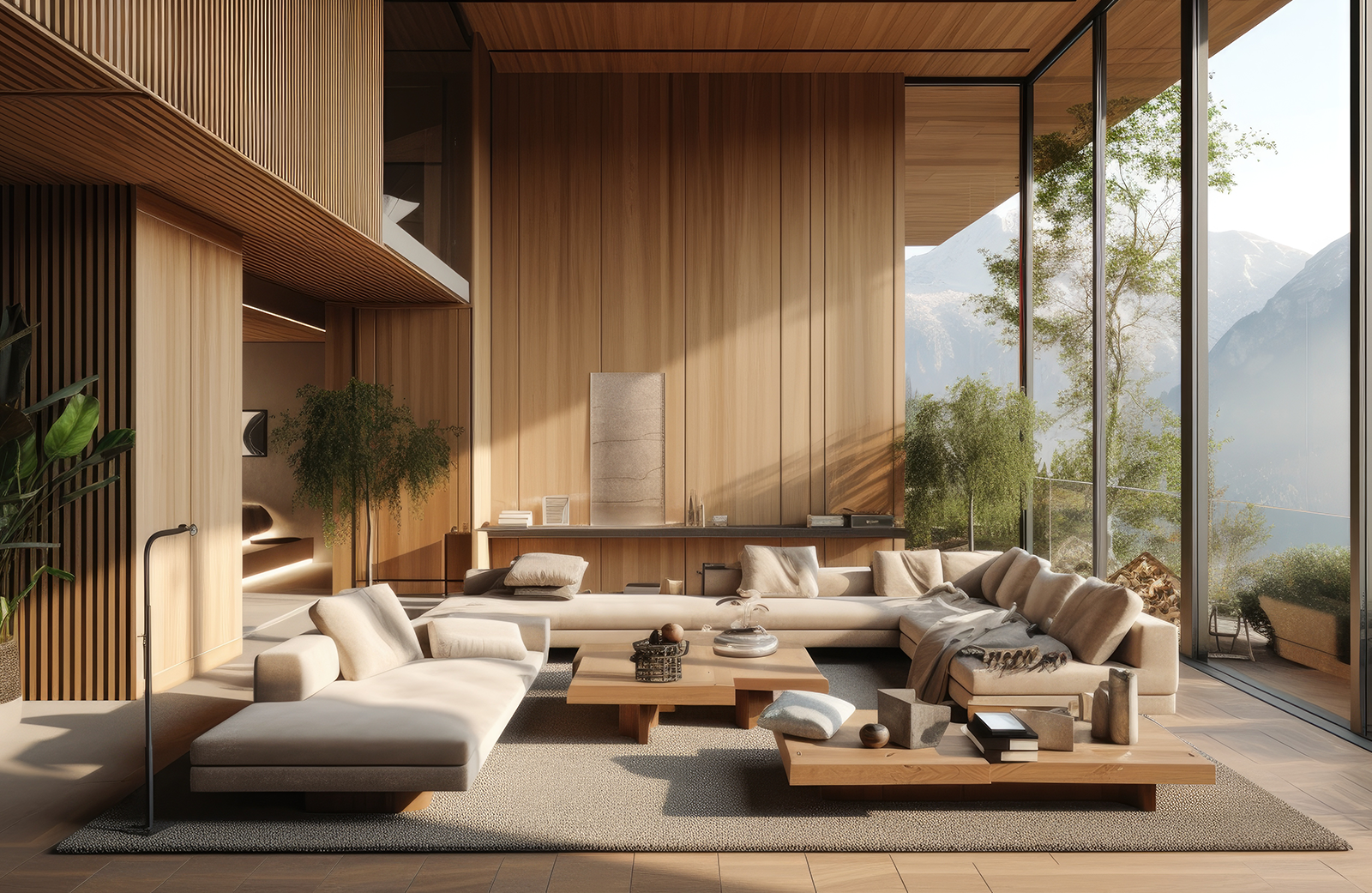
There is a clear difference between seeing a design and understanding it. High quality interior 3d visualisations go beyond structure. They show light behaviour, depth, proportions, and atmosphere.
This helps clients connect with the space at a deeper level. A room is no longer just a layout. It becomes something they can imagine living in. This level of clarity makes decision making easier and more meaningful.
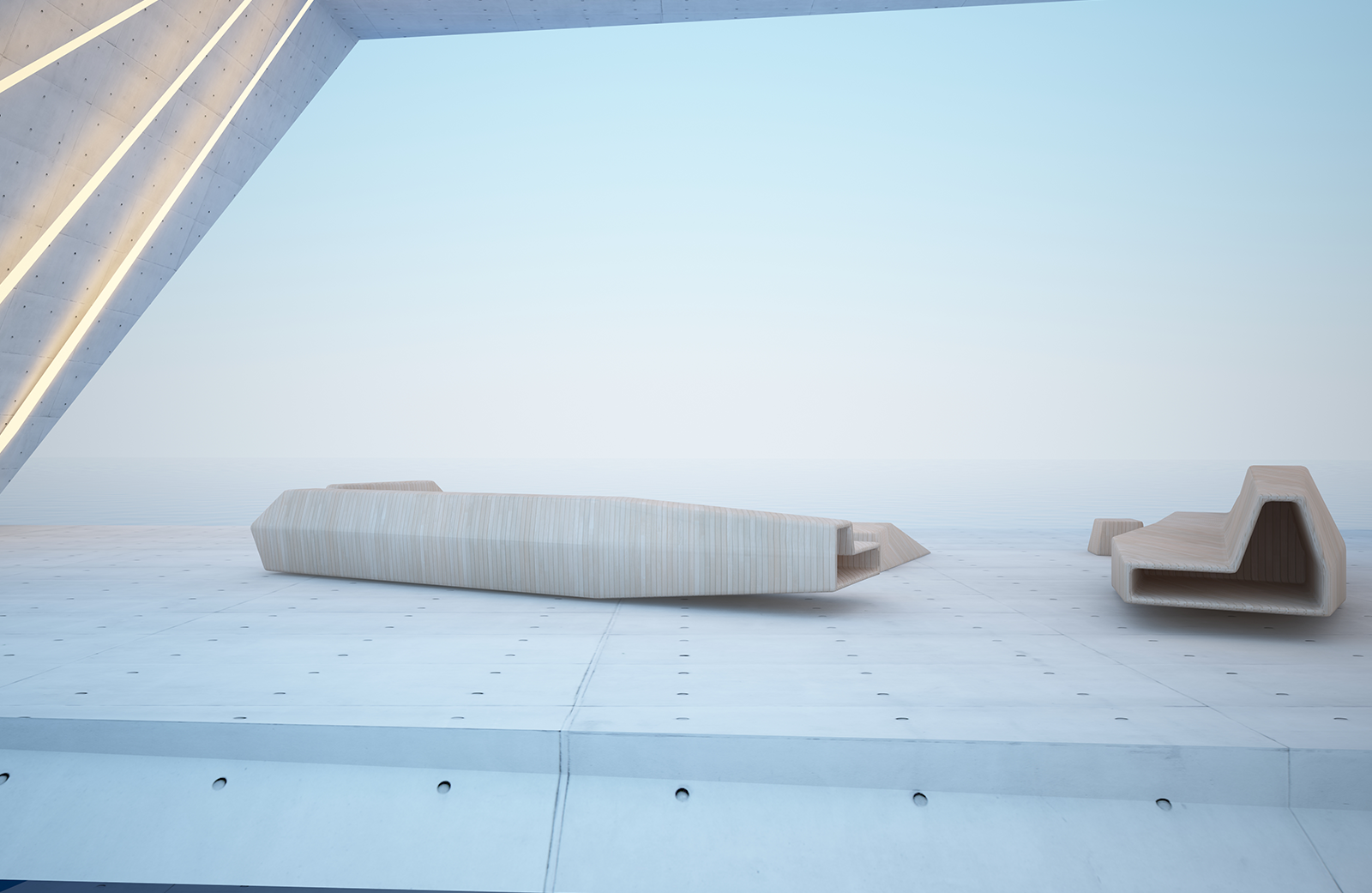
Better communication across everyone involved
Interior design is hardly ever a job for an individual. There are clients, builders, and even architects at times involved in the process. Lack of a visual image leads to misinterpretations.
All these problems will be avoided if everyone will refer to one image with 3D visualisation interior design. Communication and cooperation become much smoother as everything is clear and understandable.
Presentation becomes easy
One needs to present ideas in order to communicate with clients. Presentation of ideas with a help of strong visualisation is easy.
When a client has a clear idea what is going to be done, he or she reacts quickly. The whole process is more efficient due to this reason.
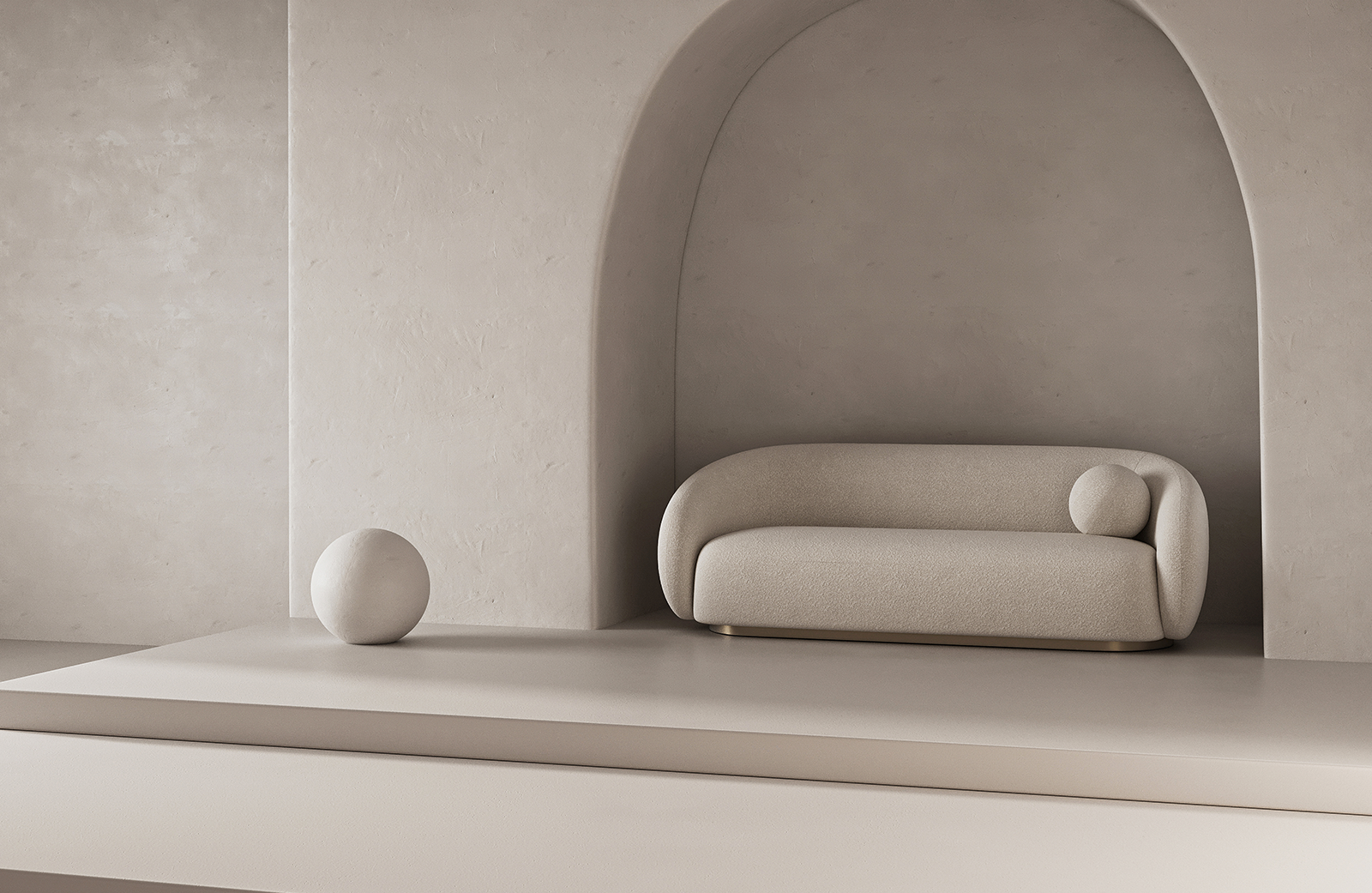
It is not just for large projects
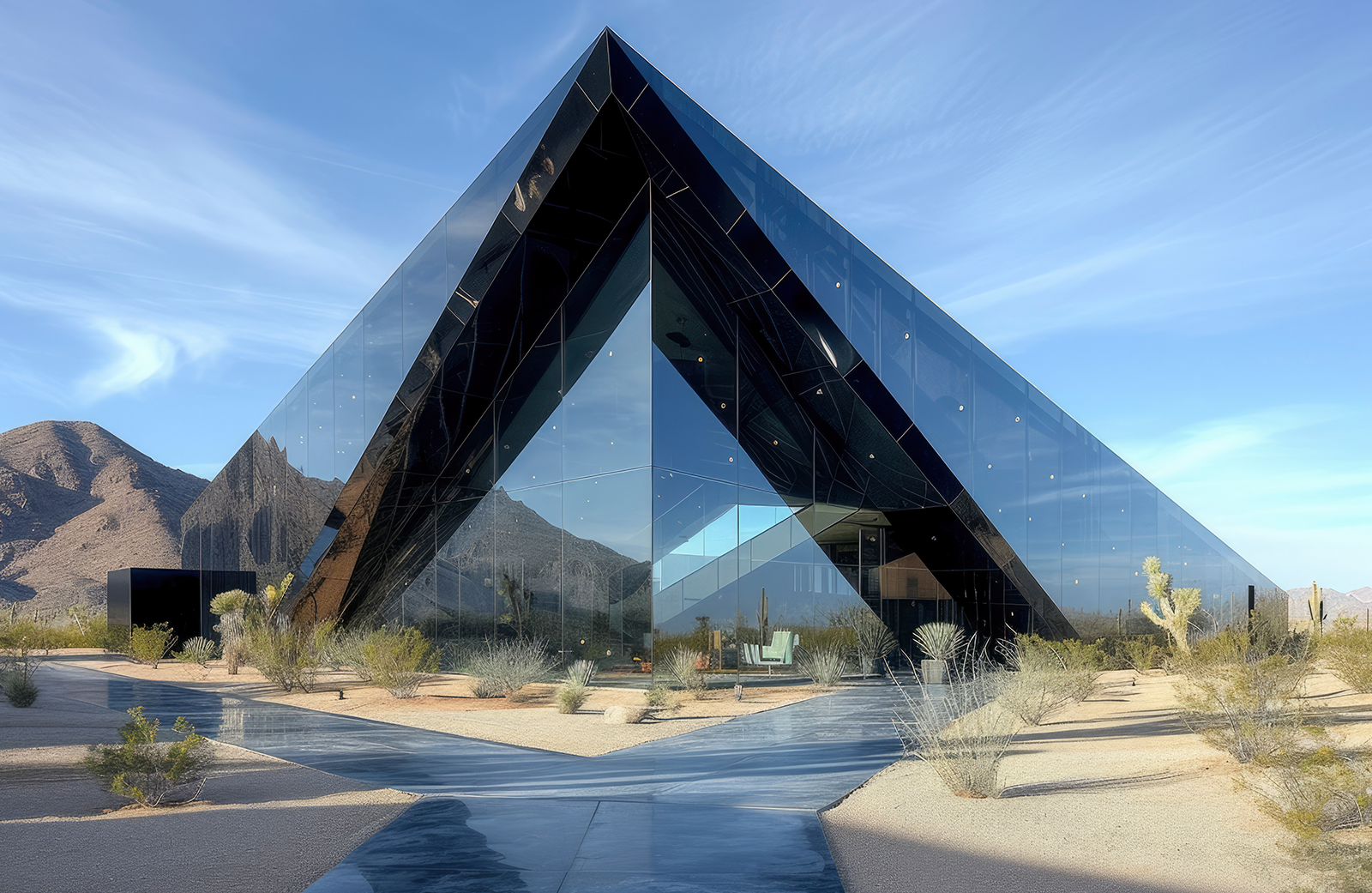
3D visualisation may be perceived as being more relevant to larger scale projects, but it is equally applicable to smaller scale ventures. This technology can be applied to single rooms, home improvement, residential interior, and commercial interior projects.
Small scale projects also need visualisation.
Indeed, it is sometimes easier to work with small scale projects due to their complexity. Visualisation becomes an essential part of ensuring precision and accuracy.
Visualisation aids creativity rather than restricts it
One of the main concerns regarding the use of such software is its potential ability to inhibit creativity.
However, such technology actually facilitates and boosts creative thinking processes. With the help of 3D interior visualisation, designers can try out various ideas and develop their concepts efficiently.
Also Read: What is a 3D Architectural Walkthrough
Where this is leading
Interior visualisation continues to evolve with new technologies. Designers are increasingly using real time rendering, virtual walkthroughs, and interactive experiences to present their work.
These tools are making visualisation more immersive. Clients are no longer just viewing designs. They are beginning to experience them before construction begins. This shift is shaping the future of 3d visualisation interior design.
Frequently asked questions
What is 3D visualization in interior design?
3D visualization is the creation of realistic digital images of interior spaces before they are built or finalised.
How does 3D interior visualization help designers?
It helps designers present ideas clearly, improve client understanding, and make faster design decisions.
How much does interior visualization cost?
Costs vary depending on detail and complexity, ranging from basic renders to high-end realistic visuals.
What software is used for 3D interior visualization?
Common tools include 3ds Max, SketchUp, Blender, V‑Ray, and Lumion.
Why do clients prefer 3D interior design presentations?
Because they can clearly see the final space, making it easier to understand and approve the design.
Conclusion
Interior designing requires clarity of space, material, and experience. The role of 3D visualisation in interior designing lies in bringing out that clarity within the process.
This technique enables designers to convey their concepts more clearly while allowing clients to comprehend their concepts without any doubts. Moreover, this process minimises the occurrence of any hindrance in the completion of the project.
Ultimately, it is not only about improving the appearance of designs but also about conveying clarity and enabling the clients to select designs more easily.