
A developer planning a new build, an architect preparing a submission, or a designer presenting a concept – all face the same question early on: which render type actually fits the project?
The debate around interior rendering vs exterior rendering is common because both look similar at a glance but serve quite different purposes across Australian projects.
At Ecompapi Studio, we have worked across residential, commercial, and development projects, helping clients decide not just what looks good, but what works strategically.
This guide explains when each render type is useful, how interior vs exterior render cost Australia differs, and ultimately, which 3D render type does my project need.
What Is Interior 3D Rendering?
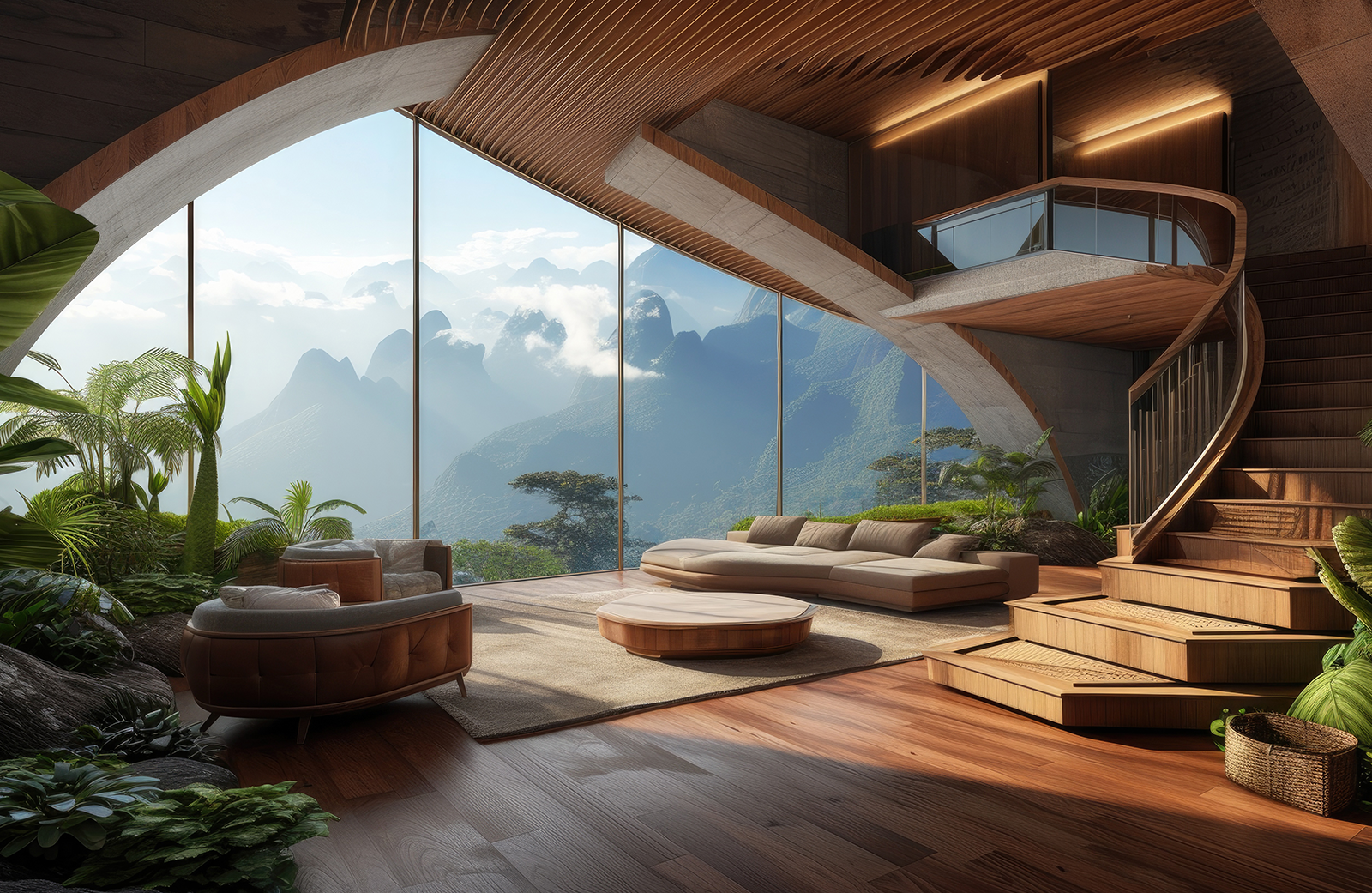
Interior 3D rendering is the creation of photorealistic images that display indoor spaces before they are built or finalised.
What Interior Renders Show
Interior renders visualise:
- Furniture placement and layout
- Materials like timber, stone, fabric, and finishes
- Lighting design (ambient, task, and accent)
- Spatial proportions and usability
Unlike drawings, these visuals allow clients to see and experience the space before execution. This is especially important in Australian real estate, where interior rendering for real estate Australia plays a key role in off‑the‑plan sales.
In cities like Melbourne and Sydney, buyers often commit to properties that do not yet exist physically. Interior renders help bridge that gap by creating emotional connection and reducing uncertainty.
Typical outputs include:
- High‑resolution still renders
- 360° panoramic views
- Virtual walkthroughs
For developers and designers, when do you need interior 3D rendering becomes clear during design validation, client approval, presale marketing, and any stage where the final interior experiece must be understood before work begins.
What Is Exterior 3D Rendering?
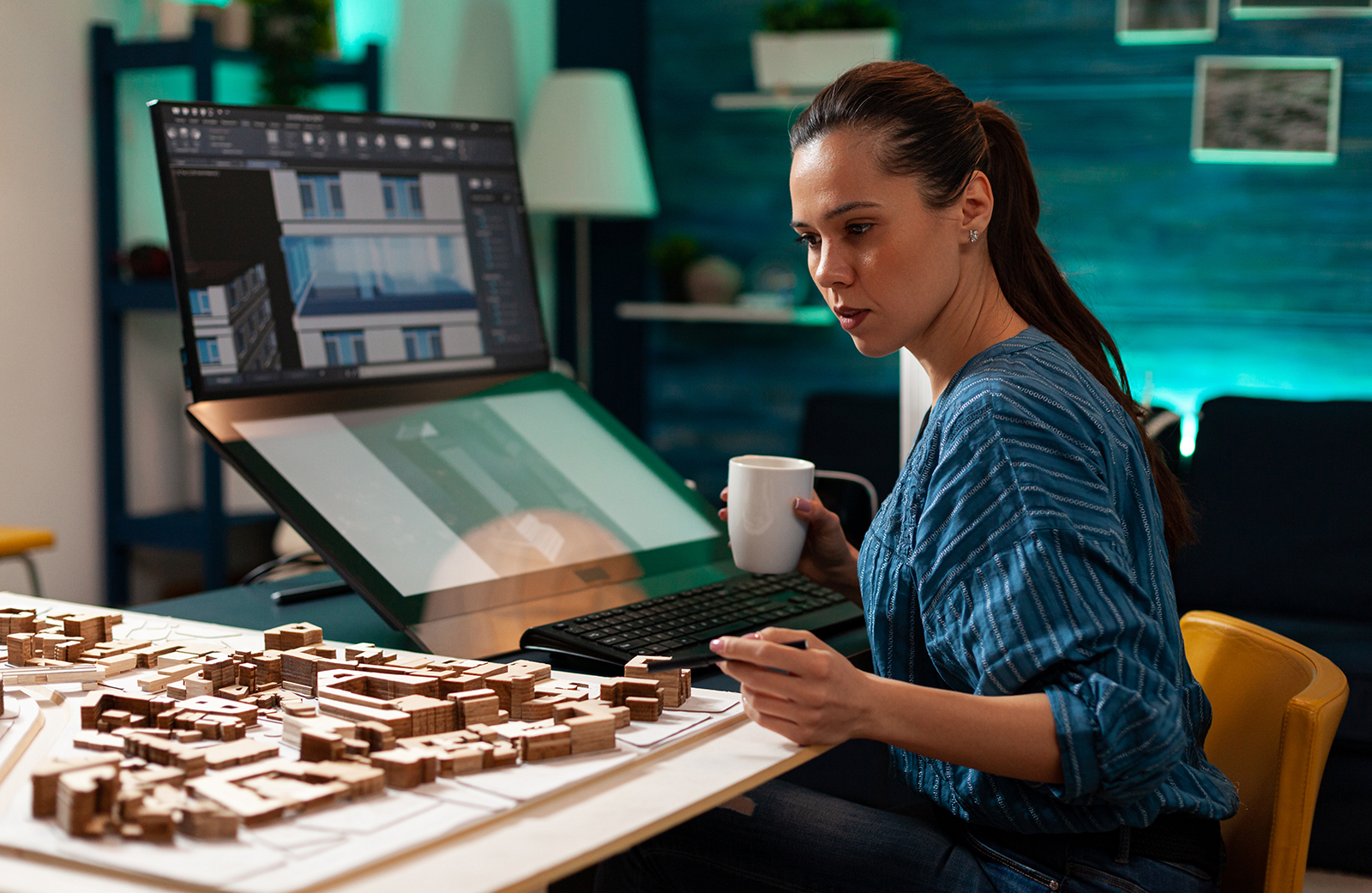
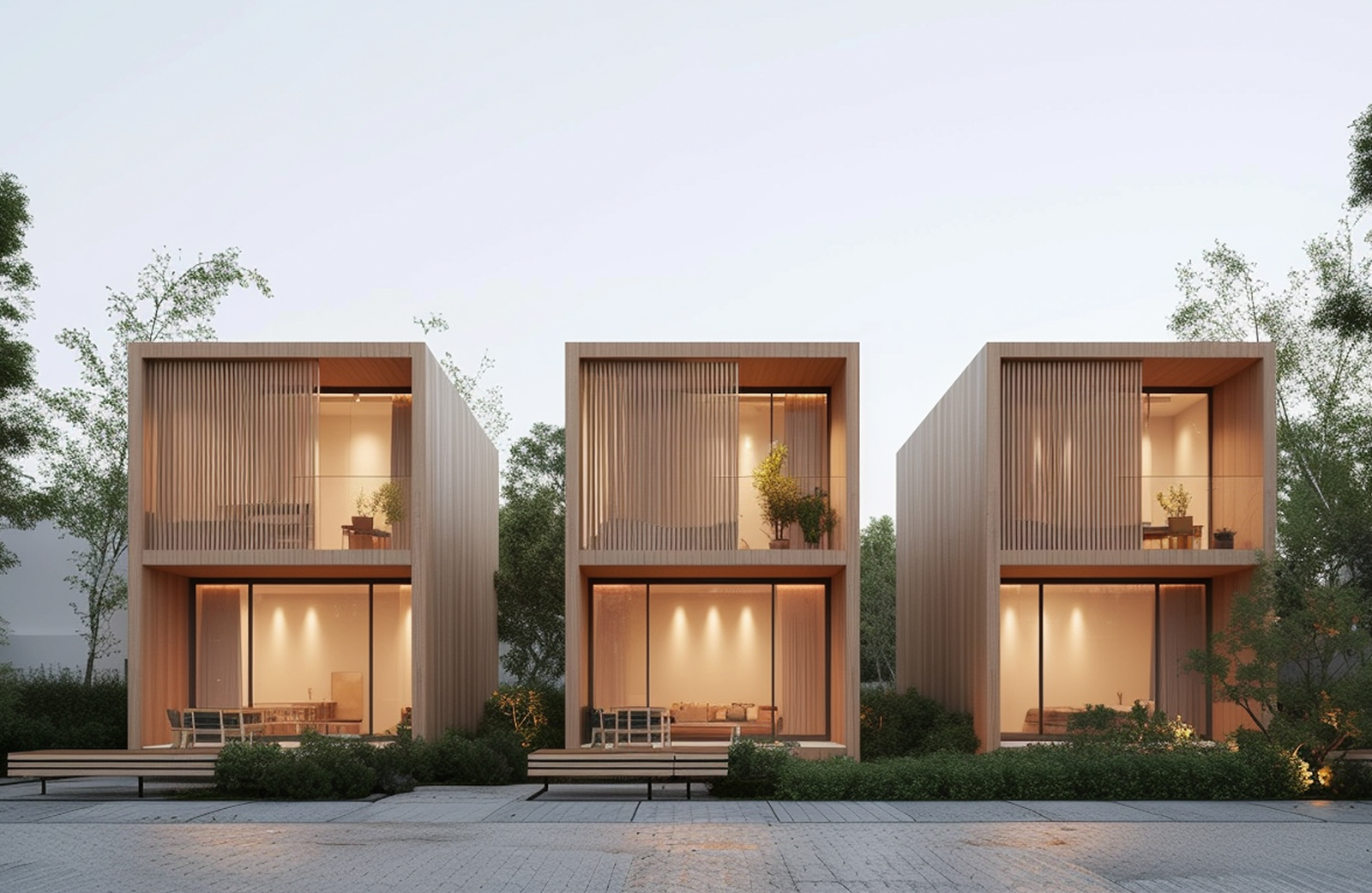
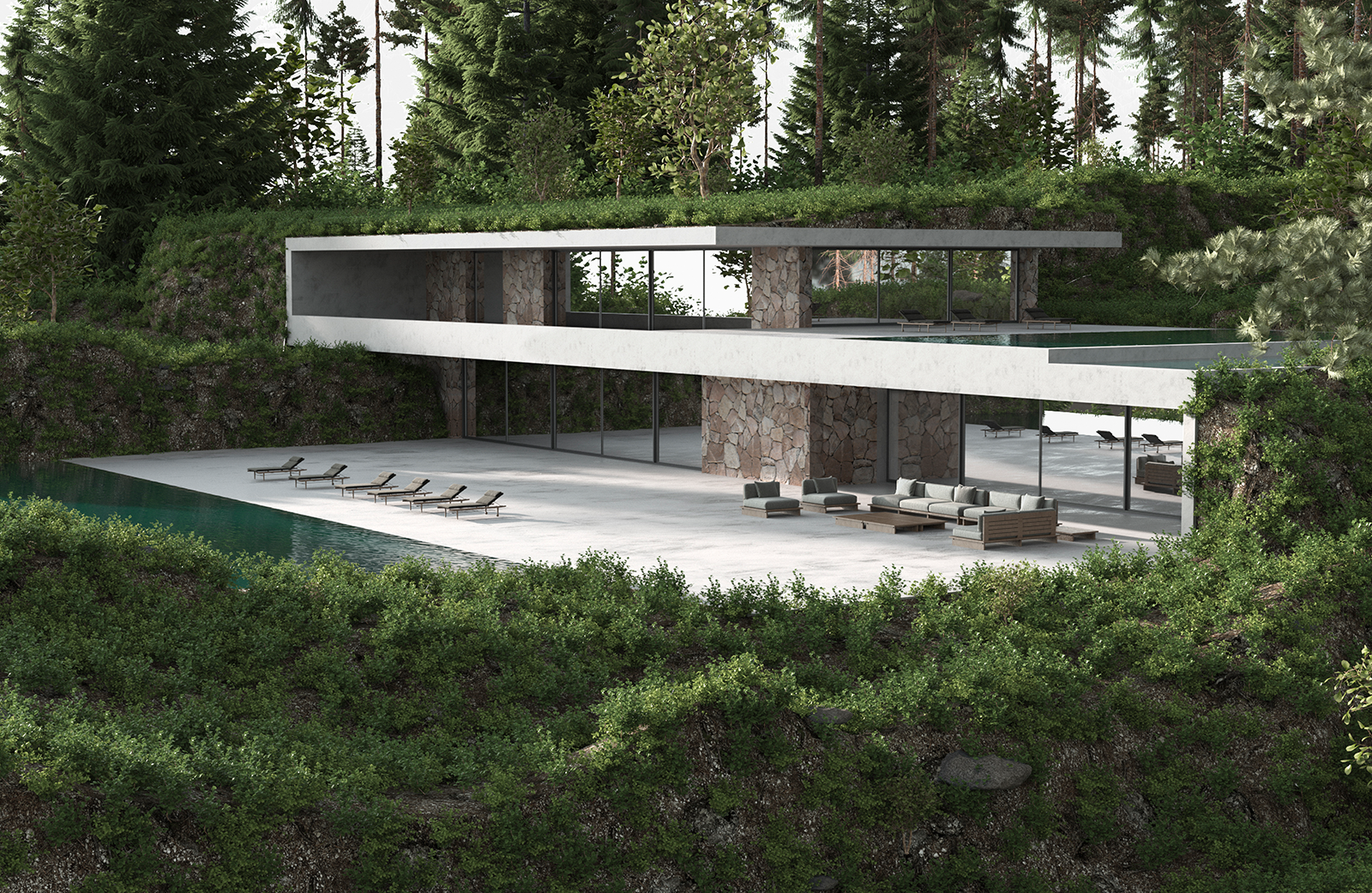
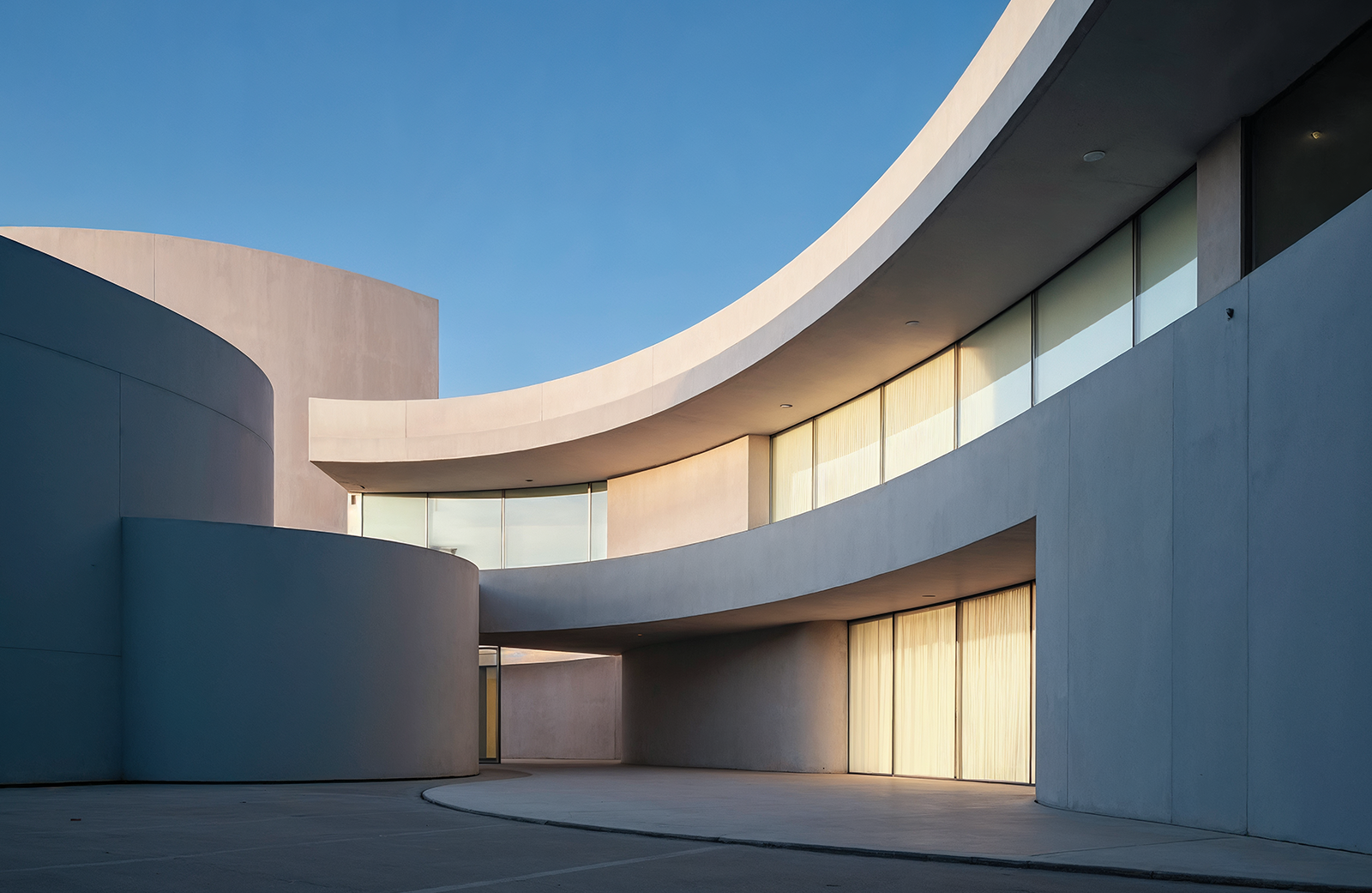
Exterior 3D rendering focuses on visualising the outside of a structure, including its surroundings, context, and architectural form.
What Exterior Renders Show
Exterior renders communicate:
- Building facade and massing
- Materials like brick, glass, cladding
- Landscape, driveways, and site integration
- Environmental context and surroundings
Lighting plays a significant role here, with variations like midday, overcast, or golden-hour twilight shots shaping the perception of design.
In Australia, exterior rendering is not just for marketing, it is often mandatory for planning stages. In fact, exterior rendering for development approval is a standard component of DA submissions across NSW, VIC, and QLD.
Councils rely on:
- Streetscape visuals
- Photomontages
- Elevation renders
Together, these visuals help councils assess how a project integrates into its surroundings, which is why exterior renders often become the first major visual asset in the project timeline.
Key Differences: Interior vs Exterior Rendering
| Factor | Interior Rendering | Exterior Rendering |
|---|---|---|
| Focus | Inside spaces, layout, finishes | Building exterior, site context |
| Lighting | Artificial + controlled | Natural light, environment-driven |
| Camera | Human eye-level, close angles | Wide, aerial, streetscape |
| Materials | Fabrics, surfaces, textures | Facade materials, landscaping |
| AU Use Case | Presales, interior approvals | DA submissions, marketing |
| Complexity | High detailing indoors | Large-scale environment detail |
These differences matter because the right choice depends on whether the project needs to explain the building envelope, sell the interior experience, or support both approval and marketing goals.
When Do You Need Interior 3D Rendering?
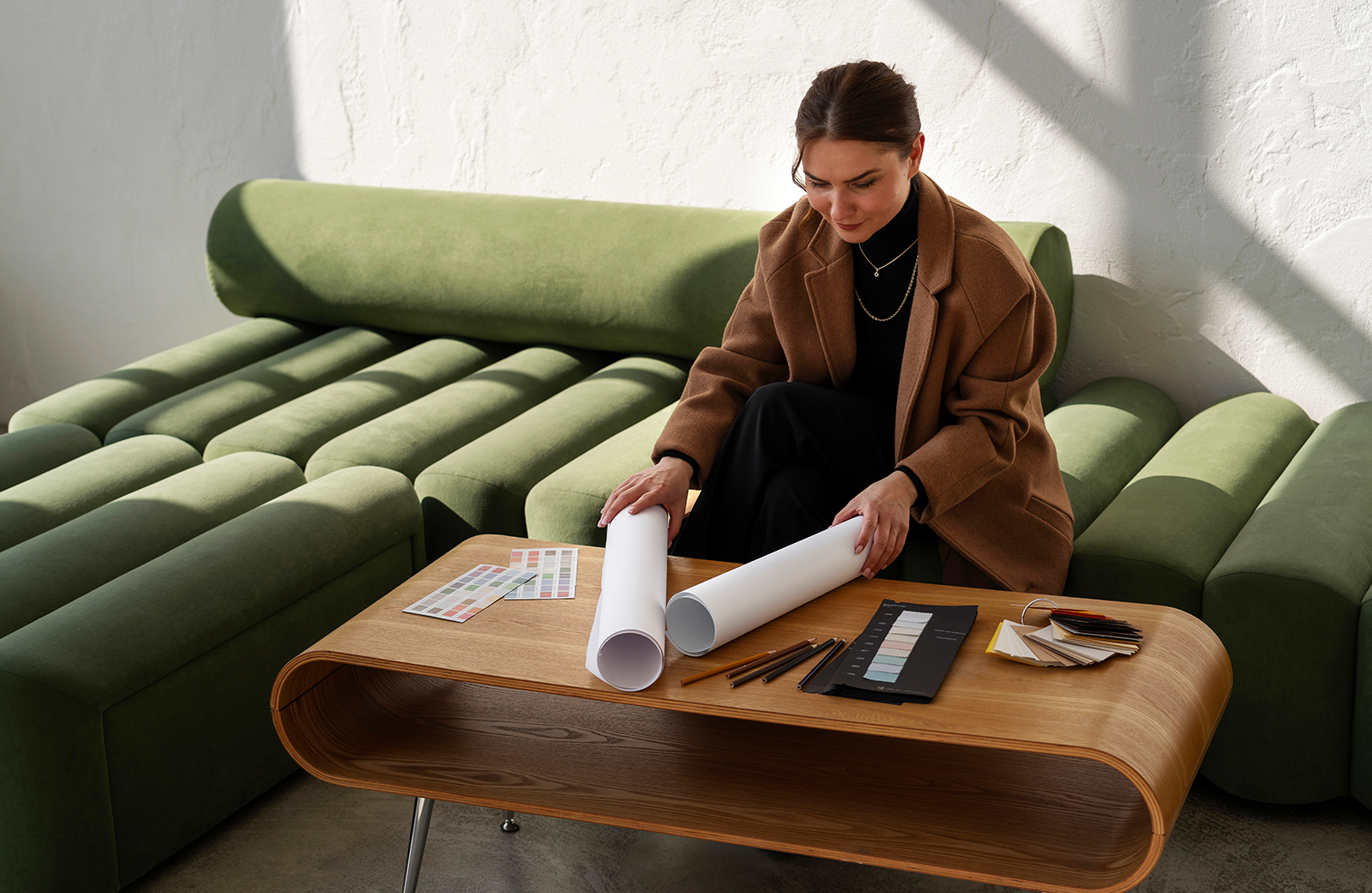
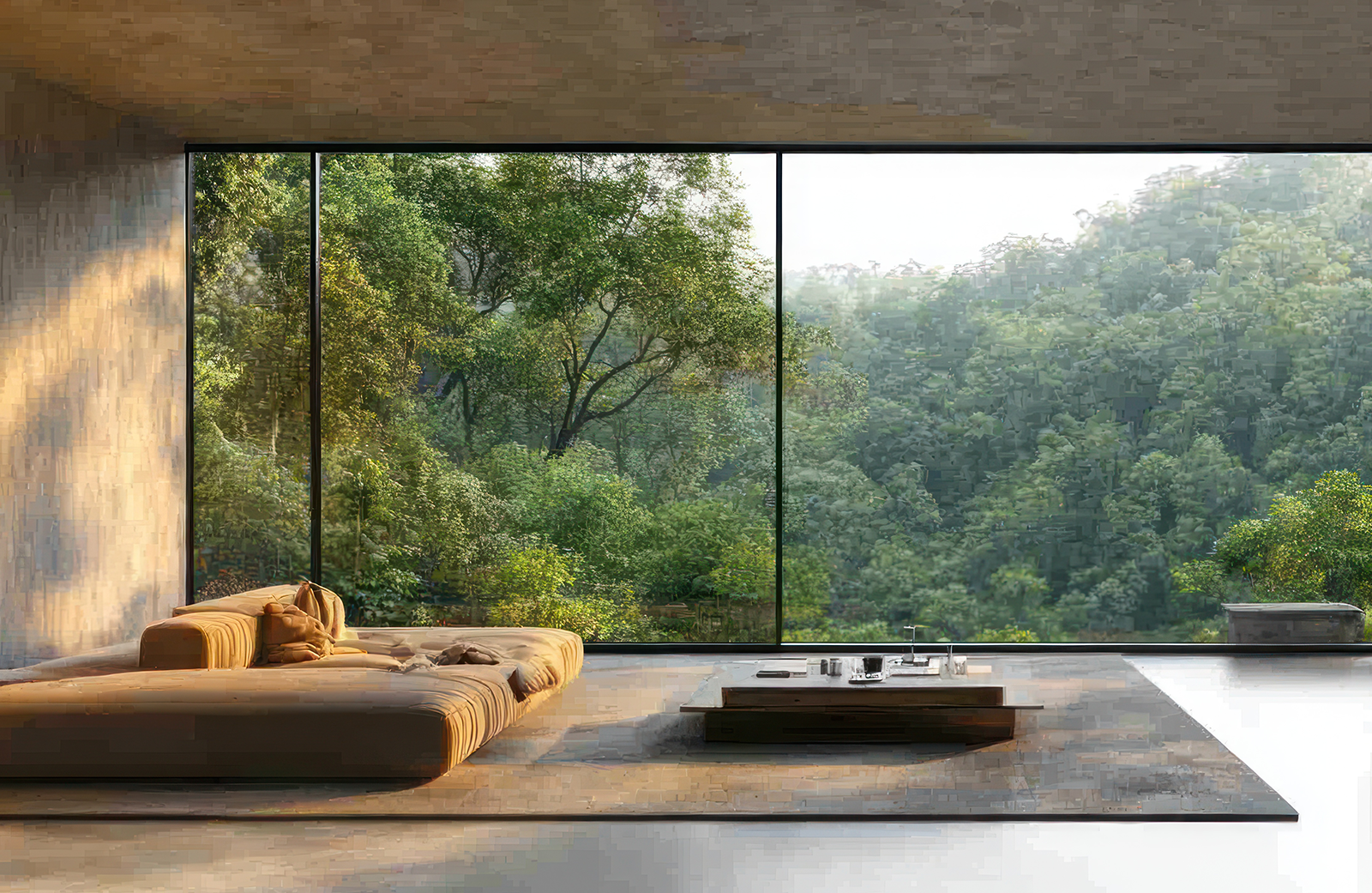
Understanding when do you need interior 3D rendering depends on both project stage and stakeholder needs. Interior visuals are most valuable when decisions depend on finishes, furniture, lighting, and the feel of a completed space.
Project Stage Use
- Design phase → Test layouts, materials, and lighting
- Client approval → Help non-technical clients visualise outcomes
- Presale marketing → Sell off‑the‑plan properties
- Virtual staging → Present empty or unfinished spaces
By Role
- Developers → Sell units before construction
- Architects → Present interior intent clearly
- Agents → Improve listing engagement
- Designers → Showcase styling concepts
In Australia, interior renders are heavily used in:
- Apartment presales in Melbourne/Sydney
- Hospitality fit outs
- Renovation approvals and client presentations
They turn abstract plans into real, relatable experiences.
When Do You Need Exterior 3D Rendering?
Exterior rendering answers the question before construction even begins: how will this project fit into its surroundings?
Project Stage Use
- DA submission → Required for council approvals
- Design review → Evaluate facade and massing
- Marketing phase → Hero visuals for campaigns
- Investor presentations → Show final outcome clearly
By Role
- Developers → Launch projects with strong visuals
- Architects → Present designs to stakeholders
- Planners → Support council submissions
- Builders → Win project bids
Australian-specific scenarios include:
- Melbourne townhouse developments needing streetscape renders
- NSW approvals requiring SEPP 65 visual assessment
- Master-planned estates needing facade compliance visuals
Here, 3D exterior rendering is not optional; it is functional, regulatory, and often essential for moving a project from concept to approval.
Interior vs Exterior Render Cost in Australia
One of the most searched questions is interior vs exterior render cost Australia, because pricing can change significantly depending on scale, detail, urgency, and the level of realism required.
Indicative Cost Comparison (AUD)
| Render Type | Price Range | Key Factors |
|---|---|---|
| Interior Standard | $300 – $800 | Furnishing, lighting |
| Interior Premium | $800 – $2,000+ | Styling, detail |
| Exterior Standard | $350 – $900 | Site, scale |
| Exterior Premium | $900 – $2,500+ | Landscape, context |
| Animation | $3,000 – $15,000+ | Duration, complexity |
Why Costs Vary
- Number of views required
- Level of detail and realism
- Availability of 3D models
- Revision rounds
- Turnaround urgency
In practice, both types are comparable in base pricing, but the cost drivers differ depending on what needs to be modelled, styled, and reviewed:
- Interiors → detail-heavy
- Exteriors → environment-heavy
Which 3D Render Type Does Your Project Need?
If you are asking which 3D render type does my project need, use this quick checklist to match the render format to the project goal:
| Situation | Recommended |
|---|---|
| DA submission | Exterior rendering |
| Presale marketing | Interior + Exterior |
| Renovation visualisation | Interior rendering |
| Investor pitch | Exterior rendering |
| Listing empty property | Interior rendering |
| Hoarding / billboard | Exterior rendering |
| Fit-out comparison | Interior rendering |
| Full development project | Both |
Simple rule:
- Early stage → Exterior
- Sales stage → Interior
- Full project → Both
When Do You Need Both Interior and Exterior Rendering?
Most Australian developments benefit from combining both.
- Exterior renders come first → approvals & concept validation
- Interior renders follow → marketing & sales
Using both ensures:
- Consistent branding
- Stronger buyer confidence
- Clear project storytelling
Example:
- Melbourne townhouse → exterior for DA + interior for sales
- Brisbane mixed-use → exterior for investors + interior for leasing
A coordinated render set creates a complete visual narrative, not isolated images, helping the same project move smoothly from approval to sales and stakeholder communication.
Also Read: What is CGI Rendering in Architecture?
Frequently asked questions
What is the difference between interior and exterior rendering?
Interior vs exterior rendering differ by their primary purpose. Interior renders showcase interiors, finishes, furniture, and lighting solutions, while exterior renders feature building facades, landscaping, and context around buildings.
How much does 3D rendering cost in Australia?
Interior vs exterior render cost Australia varies between $300 and $2,500 and more per view depending on complexity, level of detail, amount of views, number of revision rounds, and delivery schedule.
Should I go with interior or exterior rendering for DA application?
Most DA applications will require exterior renders because council needs to approve the impact of the project on streetscape and massing. While interior renders might be optional, they can support the design concept presentation.
Can I have both types at once?
Yes, it is possible. Most projects order both interior and exterior renders as it moves through design approval towards pre-sale campaigns and marketing initiatives.
Conclusion
Choosing between interior rendering vs exterior rendering is not about preference; it is about purpose. Each serves a different stage of your project, from approvals and design review to marketing and buyer confidence.
Often, the answer is not one or the other — it is both, used at the right time to support the right stakeholder decision.
Ecompapi Studio collaborates closely with Australian architects, developers, and designers to deliver tailored visualisation solutions based on real project needs, timelines, and approval or marketing goals.