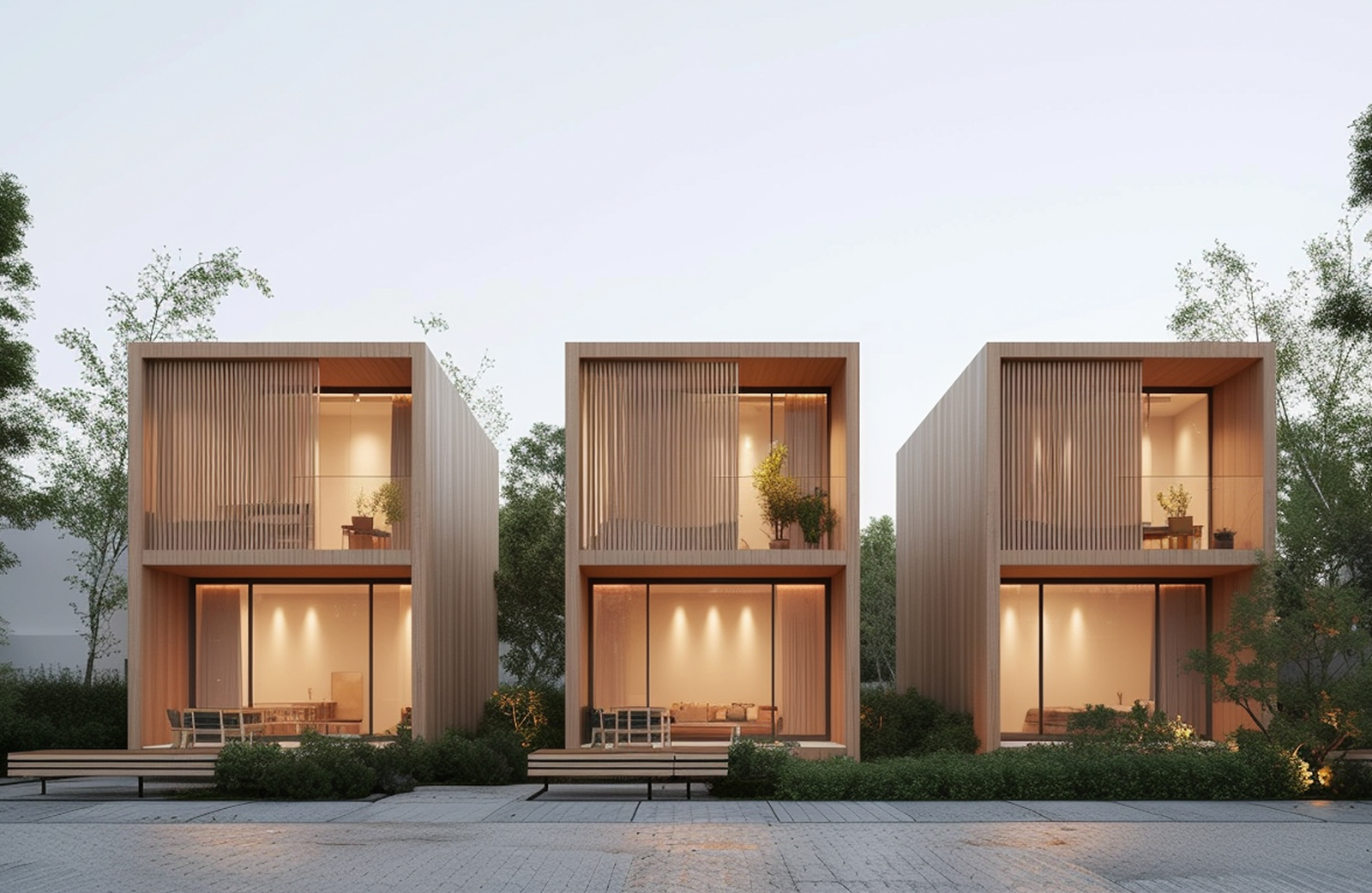

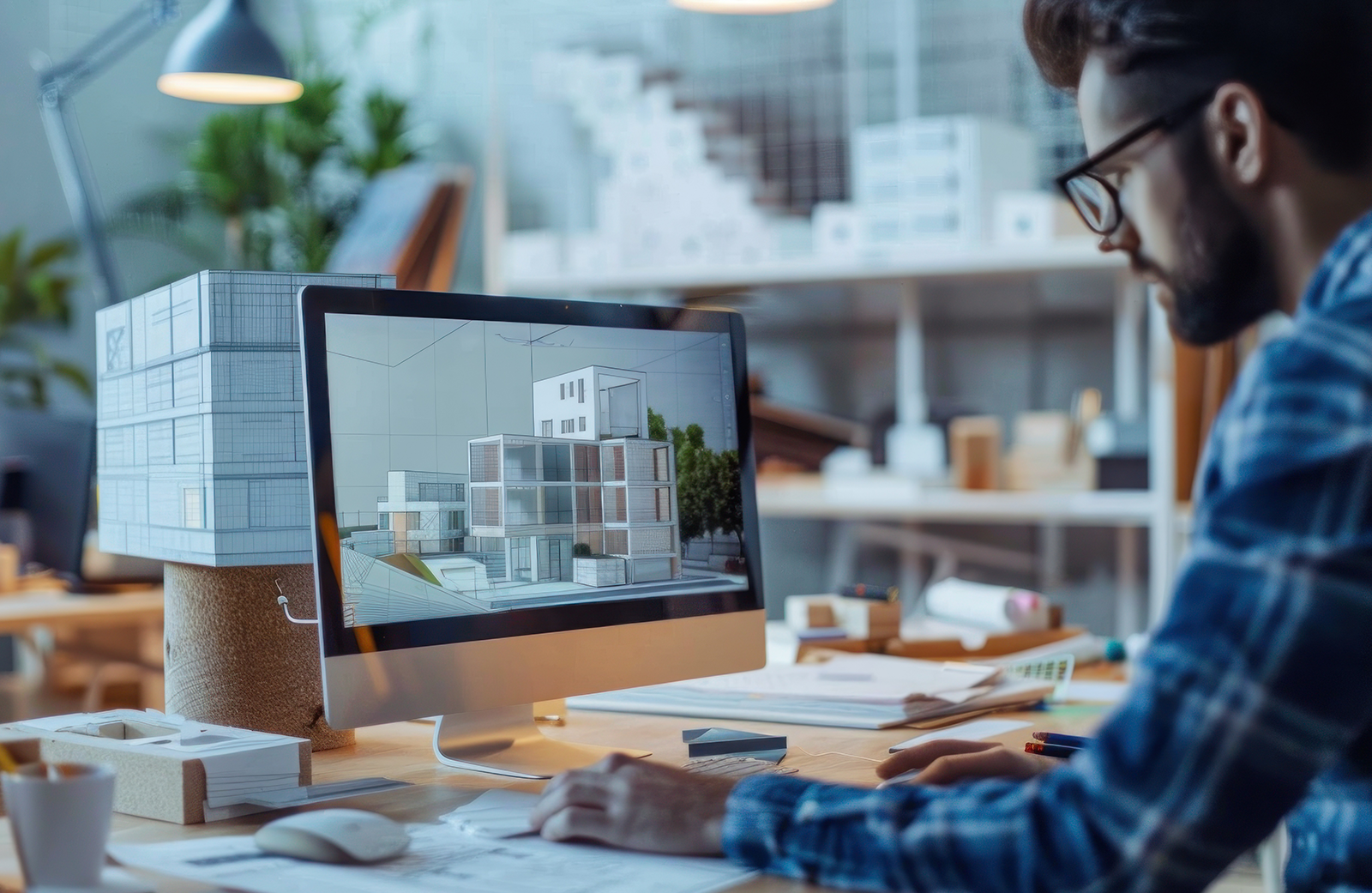
Construction finance in Australia typically depends on achieving strong pre-sales before funding is released. For developments that don’t yet exist physically, 3D rendering off the plan Australia and high-quality off the plan property renders Australia are not optional; they are the core tools that make early buyer confidence and sales momentum possible.
Across Melbourne, Sydney, and Brisbane, developers rely on architectural visualisation to convert interest into contracts. From early investor presentations to final buyer decisions, renders play a central role in how projects are understood, marketed, and sold. Here is how developers actually use 3D rendering throughout the off‑the‑plan sales process.
From Concept to Contract: How Developers Use Renders at Every Stage
Understanding how to market off the plan property requires looking at the full lifecycle of a project.
Early Stage / Investor Pitch
At concept stage, renders are used to communicate vision to investors and stakeholders. Exterior hero visuals establish credibility before approvals are secured.
Sales Launch & Display Suite Setup
As the project moves toward launch, full render packages are deployed. These include large-format prints, digital displays, and immersive visuals for display suites.
Pre-Sales & Contract Phase
Buyers rely on detailed visuals – unit interiors, views, and layouts, to make decisions. This is where renders directly influence conversions and contract signings.
During Construction Marketing
Even after ground-breaking, render-based marketing continues across ads, listings, and campaigns to maintain buyer interest.
Post-Completion Support
Updated visuals aligned with final finishes are used for resale and rental campaigns.
This structured approach ensures that visual communication remains consistent from the first concept discussion to final delivery.
Types of 3D Renders Property Developers Use to Sell Off-the-Plan
Different types of renders serve different purposes, but collectively they form a complete sales system.
Hero Exterior Renders
These are the first impressions high-impact visuals used across websites, hoardings, and brochures.
3D Interior Rendering for Display Suite
This is the most conversion-driven format. 3D interior rendering for display suite allows buyers to visualise living spaces in detail, often printed at large scale or displayed digitally within the sales environment.
View-Based Renders
Unit-specific visuals showing real perspectives from different levels, particularly effective for premium developments.
Aerial Context Renders
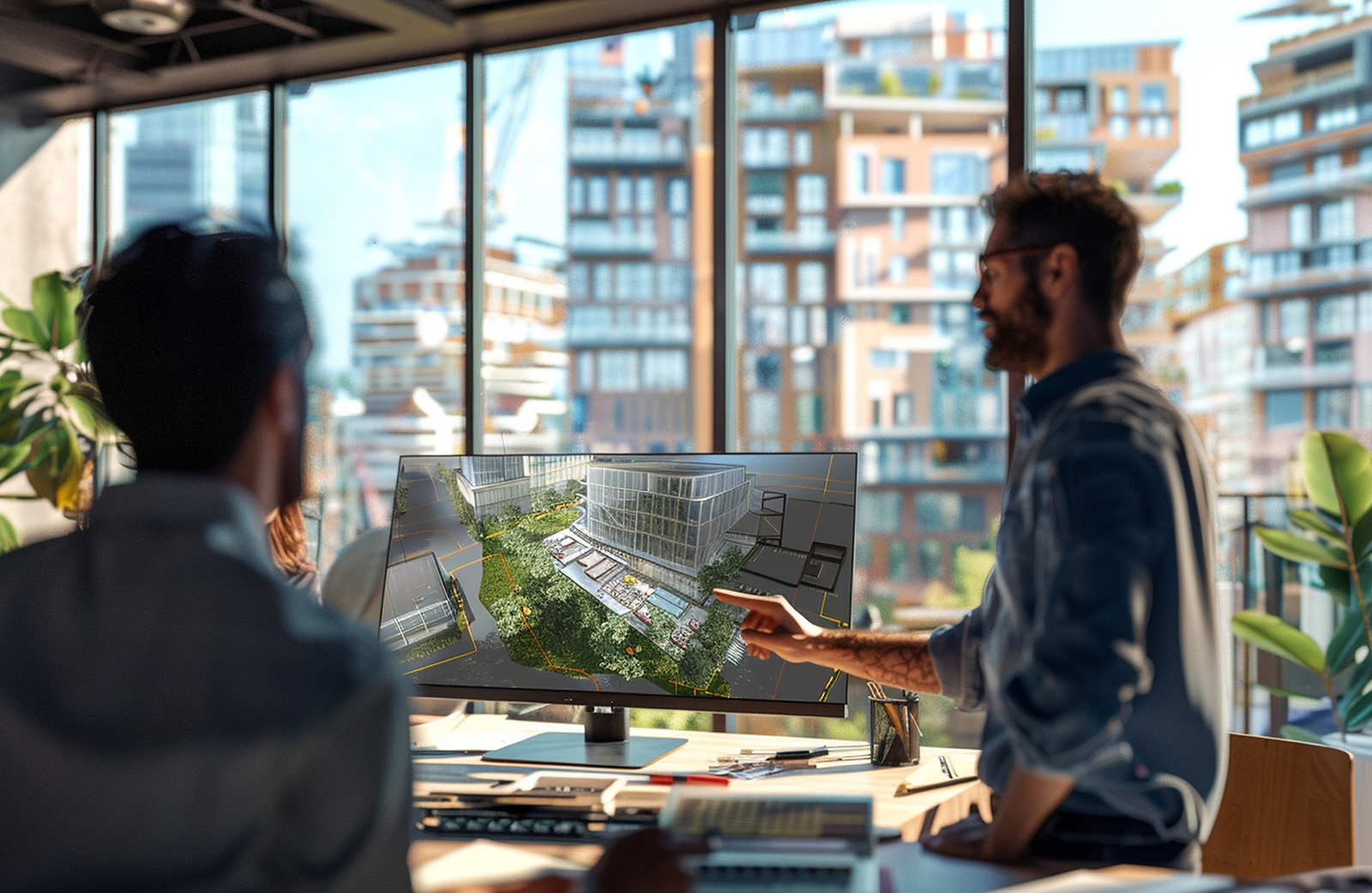
These highlight location benefits including proximity to transport, retail, and amenities important for both investors and owner-occupiers.
Walkthrough Animations & Virtual Tours
Interactive content improves engagement, especially for interstate or international buyers.
These formats together define architectural rendering for property marketing Australia, where visuals replace the need for imagination.

What Makes Off-the-Plan Renders Actually Convert Buyers
Not all renders perform equally. High-performing off the plan property renders Australia are built around accuracy, clarity, and trust, because buyers need to believe that the finished property will match what they are seeing.
Accurate Representation
Exaggerated room sises or unrealistic proportions may attract attention but damage credibility. Buyers expect the final build to match what they saw.
Lighting That Reflects Reality
Generic “perfect lighting” is less effective than realistic scenarios based on orientation and natural light flow.
Lifestyle-Focused Interiors
Furniture, textures, and styling create relatability and emotional connection, helping buyers picture themselves living in the space.
Contextual Relevance
Location-based visualisation showing actual surroundings removes uncertainty and improves buyer confidence.
For developers, these factors directly influence enquiry quality, buyer confidence, and sales velocity, which is why render quality should be treated as part of the sales strategy rather than a design extra.
Also Read: 3D Interior vs Exterior Rendering
3D Interior vs Exterior Rendering
Melbourne’s property market has a strong reliance on visualisation due to high-density developments and competitive off‑the‑plan sales environments.
For 3D renders for property developers Melbourne, expectations are higher because buyers often compare projects across highly competitive apartment, townhouse, and mixed-use markets:
- CBD apartment projects require premium exterior and skyline-integrated visuals
- Inner-suburban townhouse developments rely heavily on streetscape and lifestyle renders
- Activity centre developments need strong context visuals to demonstrate urban integration
Local buyers are highly design-aware, which means developers must present clear, realistic visuals that align with both architectural design and market expectations.

Should Renders Be Different for Investors vs Owner-Occupiers?
Yes, and this distinction matters because investors and owner-occupiers often respond to different visual cues.
Investor-Focused Approach
- Emphasis on location, connectivity, and growth
- Clean, minimal interior visuals
- Aerial renders showing surrounding infrastructure
Owner-Occupier Approach
- Detailed interior lifestyle renders
- Focus on finishes, lighting, and comfort
- Close-up visuals of kitchens, bathrooms, and living spaces
Most Australian projects target both groups, so a balanced render strategy is required to support different decision triggers within the same campaign while keeping the overall project story consistent.
Frequently asked questions
When should developers start using 3D rendering?
Ideally during design development. Early use of 3D rendering off the plan Australia supports investor engagement, helps shape pre-launch assets, and improves marketing readiness before sales activity begins.
How many renders are required for a typical project?
For most projects, developers use exterior, interior, aerial, and view-based visuals. The total depends on scale, but quality is more important than quantity.
Do renders influence property marketing results?
Yes. Well-executed architectural rendering for property marketing Australia improves engagement, builds trust, and helps convert enquiries into contracts faster.
Can renders be reused after construction?
Yes. Updated visuals can support ongoing marketing, leasing, and resale strategies once the project is completed, especially when final finishes are aligned with the original sales campaign.
Conclusion
For developers, off-the-plan sales are not just about marketing; they are about securing the pre-sales that enable construction to begin. Visualisation plays a direct role in that commercial outcome.
At Ecompapi Studio, we create off the plan property renders Australia tailored for real-world sales performance, from display suite interiors to large-scale development visuals. Each render is built around your project, buyer profile, and launch timeline.