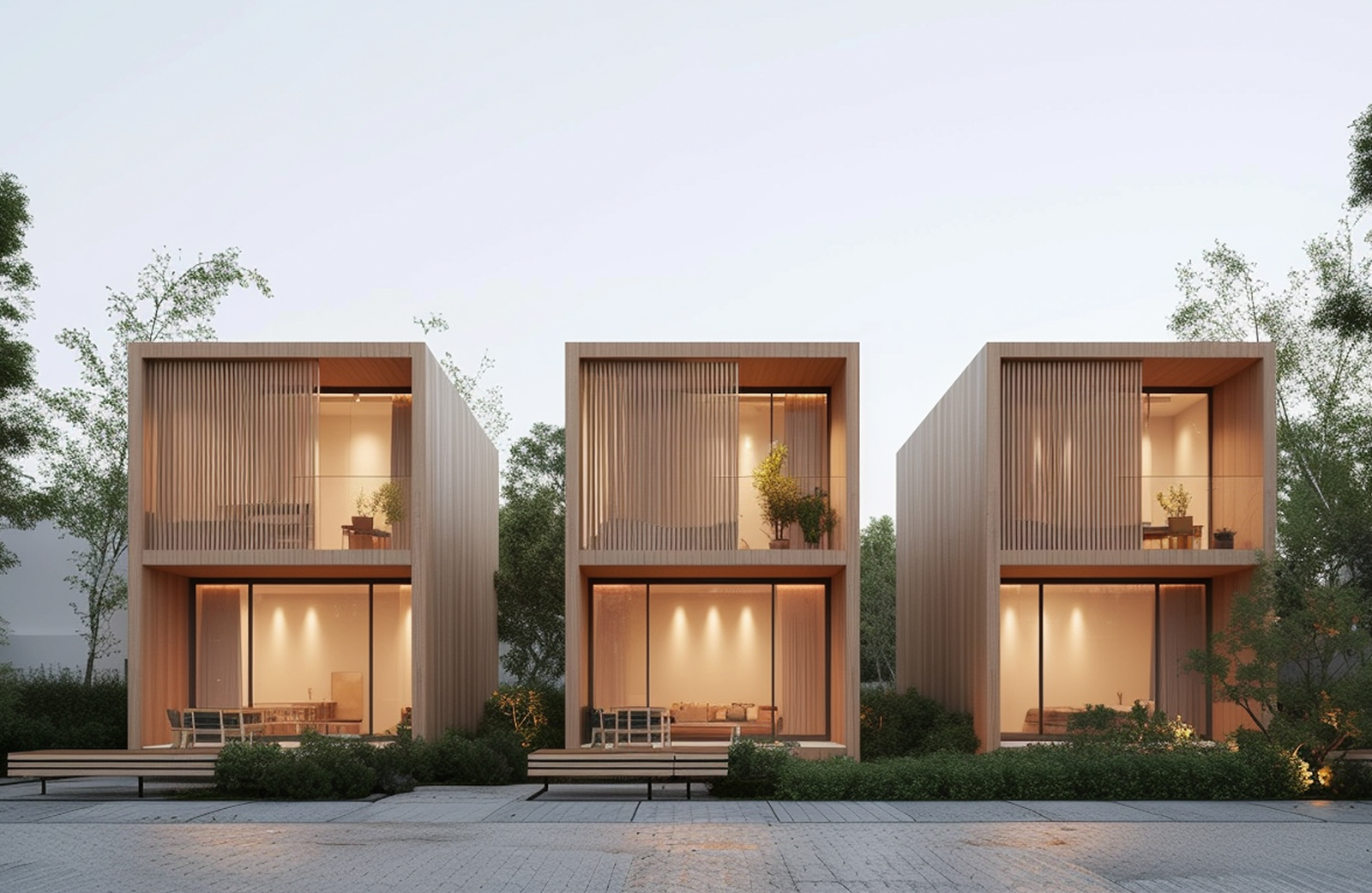

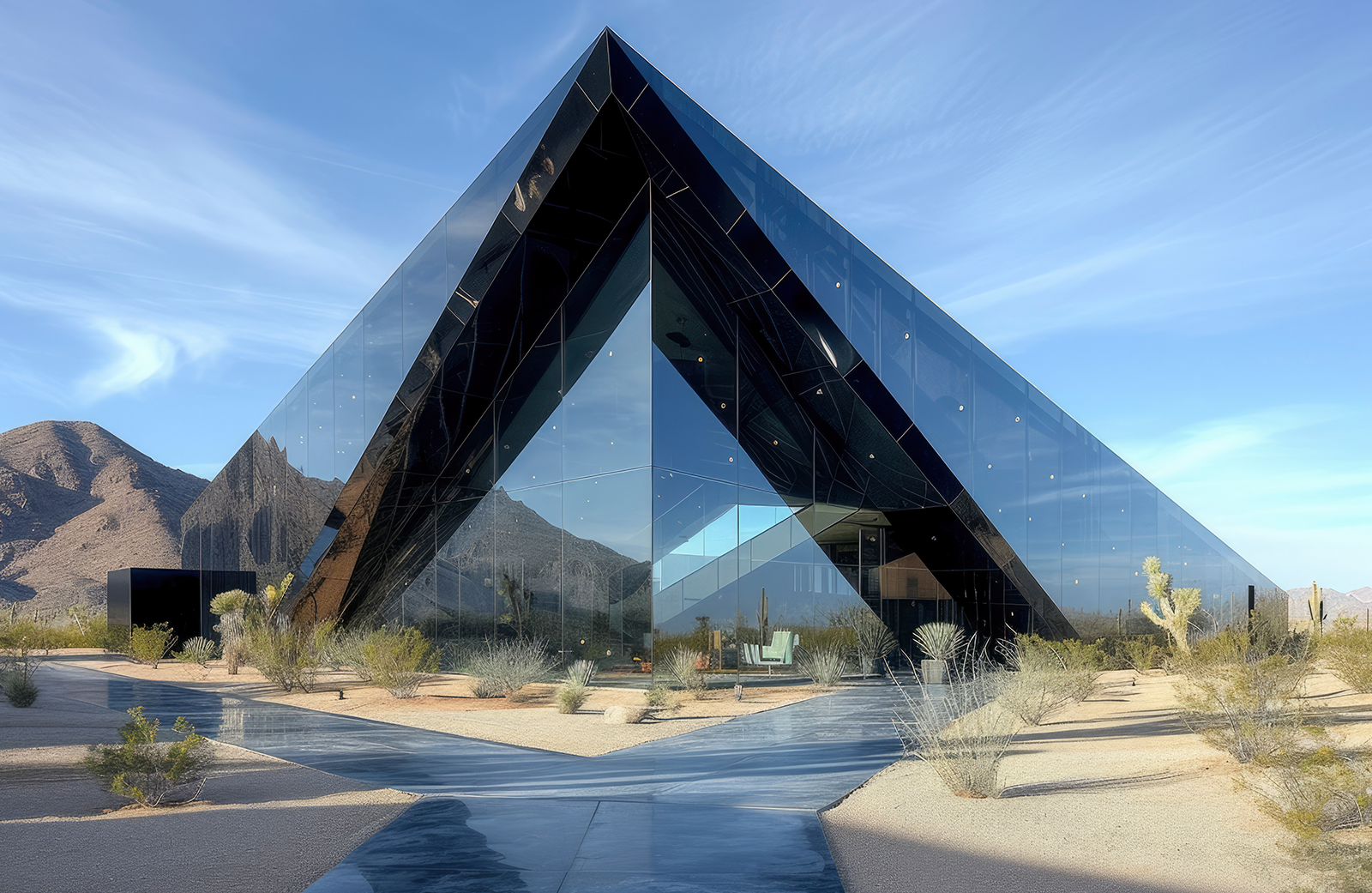
AI generated images are everywhere in 2026. They appear in project pitches, LinkedIn feeds and design competitions.
The question is no longer whether AI is changing architectural visualisation. It is where the technology genuinely helps and where specialist judgement still matters.
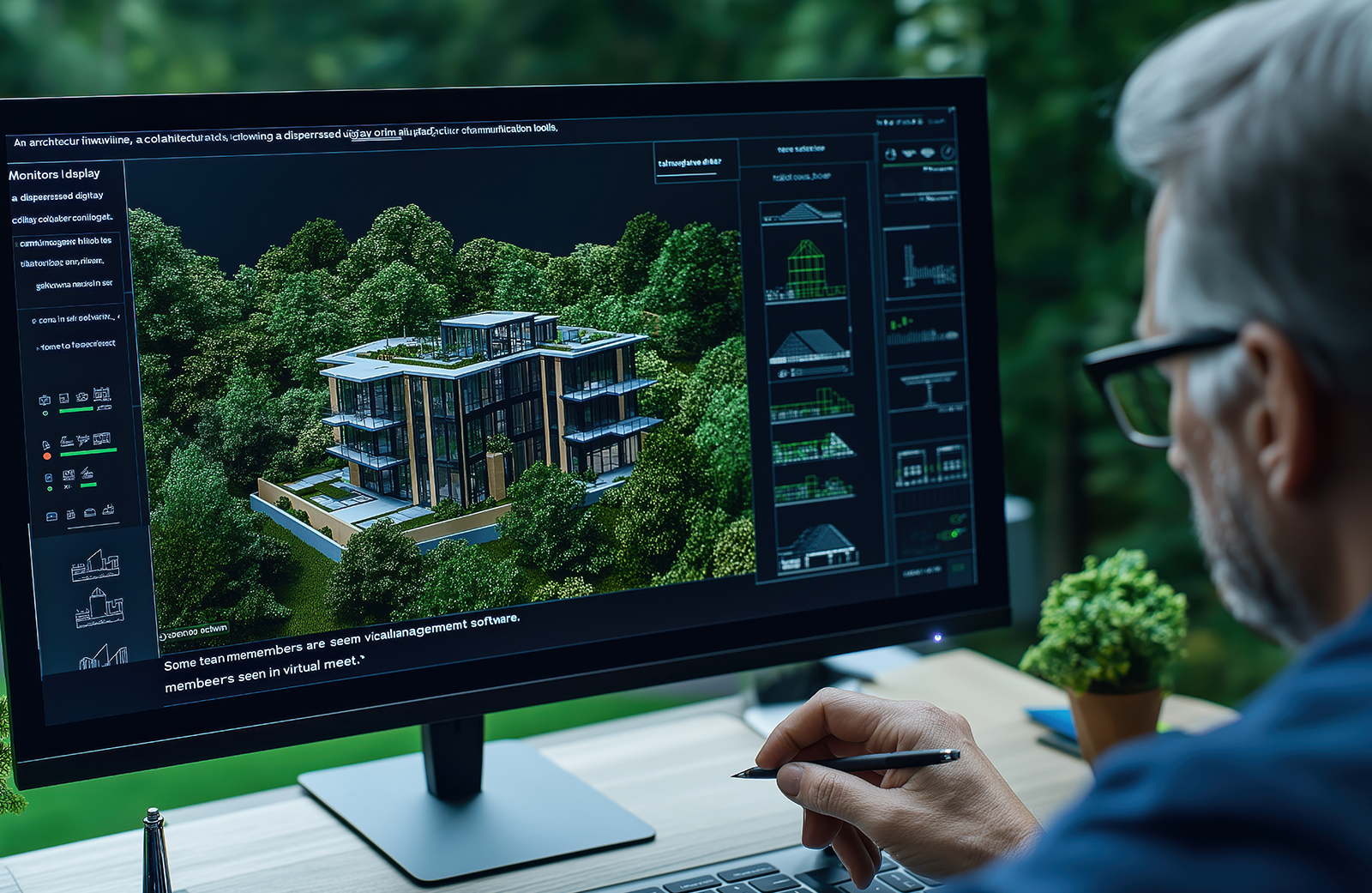
Tools ranging from Midjourney to AI assisted software such as Veras are now part of many Australian architects’ workflows. They are useful for rapid concepts, design exploration and early client conversations.
However, artificial intelligence rendering and specialist 3D production still perform different jobs. This guide explains what AI in architectural visualisation Australia can do, where precision matters most and when a specialist studio becomes the right next step.
What Does AI Rendering Mean in Architecture?
AI render architecture covers several different tools; each suited to a different task.
- Text to image tools such as Midjourney, DALL·E and Stable Diffusion create images from written prompts. They are useful for mood and early direction rather than drawing-based accuracy.
- AI assisted 3D tools such as Veras, V Ray denoising and Lumion AI enhance an existing model, so the underlying geometry remains more grounded.
- Generative design tools such as Architext and Autodesk solutions explore plans and layouts from set parameters.
Where Generative AI Helps Architects Most
Rapid concepts let architects test several exterior directions before an early client meeting. Material exploration makes it easier to compare options such as brick, timber or stone. AI architecture design tools can also place concept visuals against real site photographs for feasibility discussions.
The common thread is speed. AI helps the team explore more options earlier, while the final approved direction can move into a controlled 3D pipeline when accuracy, consistency and commercial use matter.
AI Rendering vs Traditional Architectural Rendering
| Factor | Traditional 3D Rendering | AI Assisted Rendering |
|---|---|---|
| Concept Turnaround | Days to weeks | Minutes |
| Control | Full artist controls every element | Prompt guided |
| Final Photorealism | Highest | Improving, varies by tool |
| Cost | Higher, labour intensive | Lower for ideation |
| Consistency Across Views | High | Variable |
| Technical Accuracy | Precise, from exact drawings | Approximate |
| Best Use Stage | Presales, DA, final marketing | Concept, schematic |
Also Read: 3D Interior vs Exterior Rendering
Where Specialist Rendering Still Matters
| Does Well | Falls Short |
|---|---|
| Rapid concept generation | Cannot guarantee technical accuracy |
| Fast design exploration | Inconsistent outputs |
| Lower cost for ideation | Doesn’t match final render quality yet |
| Useful early client communication | Copyright/IP questions around training data |
Consistency across views: A traditional 3D model keeps geometry, materials and lighting aligned from one angle to the next. Independently generated AI images may vary between views.
IP and copyright: Training data and usage rights remain an evolving legal area in Australia, so practices should review each platform’s terms before using generated imagery commercially.
Choosing the Right Workflow for Each Project Stage
| Project Stage | AI Application | Ecompapi Role |
|---|---|---|
| Concept / Schematic | Text to image generation | AI concept visuals |
| Design Development | Material exploration | AI + 3D hybrid renders |
| DA / Planning Submission | — | Traditional renders |
| Presales Marketing | Hero image enhancement | AI enhanced stills |
| Investor Pitch | Aerial context ideation | AI + animation |
AI Tools Australian Architects Are Using in 2026
| Tool | Best For | Limitation |
|---|---|---|
| Midjourney | Concept mood | No technical accuracy |
| Veras (Enscape) | Styling an existing 3D model | Needs a base model |
| Architext AI | Floor plan exploration | 2D only |
| Lumion AI | Speeding up traditional renders | Requires Lumion licence |
No single tool covers every task. Many architects combine two or three, using each for what it does best. Human editorial judgement remains essential, regardless of which generative AI for architects’ tool is involved.
What This Means for Australian Projects in 2026
Australian off the plan campaigns rely heavily on high quality visualisation, especially when buyers compare projects side by side. AI can accelerate early concepts, while final marketing and planning visuals still benefit from drawing based production. For formal submissions, practices should follow the current requirements of the relevant state planning authority and use imagery that accurately represents the approved design.
In practice, successful teams treat AI architecture design as a concept accelerator, then move to specialist production when the image needs to support approval, sales or investment decisions.
Also Read: Photorealistic Architectural Rendering
How Ecompapi Studio Uses AI in a Practical Workflow
At Ecompapi Studio, AI is used where it genuinely improves the process, particularly during early briefing, concept exploration and design direction. Final still renders, walkthroughs and animations move through a controlled 3D pipeline, so the finished work remains accurate, consistent and ready for commercial or planning use.
The goal is simple: use AI to open the conversation, then apply specialist craft when the visual needs to carry real weight.
Frequently asked questions
What is AI rendering in architecture?
The use of AI tools to generate, enhance, or accelerate architectural visualisation, from text to image concept generators to AI features inside 3D software. In 2026, it’s most useful for early stage exploration, while final marketing and DA quality renders still come from specialist 3D pipelines.
Can AI replace architectural visualisation?
No, not for what matters most. AI lacks the technical accuracy, site specificity, and consistency required for DA submissions, presales campaigns, and investor presentations, which specialist studios still deliver from actual drawings.
Is AI renders good enough for DA submissions in Australia?
No. DA submissions need accurate representations based on real architectural drawings. AI images are interpretations and using them risks misleading planners.
How much do AI renders cost compare to traditional renders?
AI tools run roughly $20–$100 AUD a month, with images generated in minutes. Traditional renders from a specialist studio typically cost $1.500–$2,500+ per image. The two serve different purposes rather than competing on price.
Will AI replace 3D architectural visualisation studios?
Not for high quality, final stage deliverables in the foreseeable future. AI is becoming part of the early workflow, but studios that understand its role while still delivering final quality renders are the ones thriving.
Conclusion
AI is genuinely useful for concept generation, early client communication and design exploration. Specialist rendering remains the right choice when projects require accuracy, consistency and final presentation quality for planning, presales or investor use.
The smartest approach is not AI or traditional rendering. It is a clear workflow that uses each at the stage where it adds the most value. That is how AI in architectural visualisation Australia can work in practice.
At Ecompapi Studio, we believe the future of architectural visualisation combines the efficiency of AI with the expertise of skilled artists and visualisation specialists. We help Australian architects and developers turn concepts into high quality visual experiences that support approvals, investor confidence and successful project marketing.